My hope is that this series will offer my readers a chance to consider the names, characteristics and descriptions of our God in the Word.
The remaining Names of God in this series might be considered descriptors, or characteristics of the Lord. We have reviewed the three primary Names of God, along with nineteen compound Names of God in our previous posts. As we venture through these descriptors of our God, I hope we will recognize all the many characteristics of our God that we tend to take for granted.
The Word is truly rich with descriptions of the Living God, and this effort of searching in the Word was quite illuminating. He truly is the ultimate subject of the Word, and His revelation of self-descriptions, or the accolades offered Him by His priests, prophets, kings apostles and faithful truly is a blessing.
May the Name of the Lord be praised, and by thinking on His name, may you have a blessed day.
68
BURDEN OF THE LORD
Jeremiah 23:36 But ‘the burden of the LORD’ you shall mention no more, for the burden is every man’s own word, and you pervert the words of the living God, the LORD of hosts, our God.
When those of the nation were hearing the prophet pronounce the Word of God to them, the message was one of captivity and despair. The oracle of God was providing a warning to the nation, that if listened to would provide them life and survival. When Jeremiah refers to the burden of the Lord, he is using a word that describes the message of God to the nation.
The nation would have none of it, and as is common with those who reject the message of God, it becomes a weight around their neck, a burden on their back, a ball and chain to be dragged through an existence on this earth.
The oracle is available for those who hear it, and for those who reject it, the burden actually is the rejection itself of the oracle.
The very words (or message) from the one rejecting God’s message becomes the burden to carry. This is never a condition we are committed to, and I would refer all who are under a self imposed burden to read Jesus’ offer.
Matthew 11:29,30 Take my yoke upon you, and learn from me, for I am gentle and lowly in heart, and you will find rest for your souls. For my yoke is easy, and my burden is light.”
The burden of the Lord is Jesus, for He has taken the burden, and provided us not only the example of life we are to live, but the opportunity to experience rest, under a “light” burden.
How is it that the message of such good news becomes so garbled and confusing?
I would love to hear of your favorite name, characteristic or description of the Living God. Please leave me a comment, and I will include it in the list!
Thanks again for coming to visit. I hope you found something of interest in this post and would appreciate a comment, to begin a discussion. If you know someone this blog may bless (or challenge), send them a link, so they may join us in our discussion.
For this series in Philippians, I am going to limit each post to one verse, and hopefully produce a short, succinct read for my friends who follow.
4:1 Therefore, my brothers, whom I love and long for, my joy and crown, stand firm thus in the Lord, my beloved.
This is an unfortunate chapter break in the book, as it begins with a “therefore”, which signals the question – What is the “therefore” there for?. The term therefore is a concluding statement to an argument established previously, that is in chapter 3. So a little refresher may be in order.
What was Paul teaching in chapter 3? Paul spoke of his straining to a goal, to the goal of Christlikeness, to the upward call of God. He spoke of his not attaining this goal, but that wasn’t stopping him. He also had a theme of unity thread through the passage, and had the nerve to challenge the brethren (and the sistren) to imitate him is his chasing after God. He provided a warning, speaking of those whose minds are set on earthly things, and ended the exhortation with the final transformation of our bodies by the One who is on the throne.
He mentions our citizenship being in heaven. This, in my mind is the core issue he is referring back to in 4:1.
Citizenship implies much. Citizenship implies a specific country, a specific King (or ruler) a specific set of laws (or principles), specific responsibilities and specific rights.
Therefore, since you have established your citizenship in heaven, act as the citizen you claim to be. Stand firm in the truth of your new citizenship, with all the implications.
One other item that needs to be considered. To be a citizen of heaven implies the renunciation of any previous obligations of citizenship of a previous country. As many of my readers may know, I was born Canadian, but have gained citizenship of the United States of America. As an example, I no longer have to comply to the speed limits of the Canadian transportation system, but am enjoying the benefits of the American / Texas traffic laws, (which by the way, provides greater opportunities to traverse greater distances in less time!!!). This may be a silly item to bring up, but for a fella that loves to drive, it seemed appropriate to consider.
For the believer, we are under a set of principles that allows us to love our enemy, allows us to engender unity amongst those who may disagree, and allows us to spread joy to those who are under difficult circumstances.
We have principles we are responsible to, in standing firm in the Lord. And in our straining to stand firm, we are to look to the One who provided us the example, provides us the strength and is providing us the motivation.
He is all of it, and we surely do not deserve the salvation He has granted us!
Thanks again for coming to visit. I hope you found something of interest in this post and would appreciate a comment, to begin a discussion. If you know someone this blog may bless (or challenge), send them a link, so they may join us in our discussion
My wife and I are reading through the Psalms in our evening reading and occasionally a nugget of the Psalms jumps out of the page. Don’t you love it when, after years of reading the “Old Book” passages become alive, reinforcing old teachings or simply warming your heart.
This is the book of Psalms, and it is rich.
I pray I can communicate a portion of the blessing we receive from this wonderful book.
Psalm 59
14 Each evening they come back, howling like dogs and prowling about the city. 15 They wander about for food and growl if they do not get their fill. 16 But I will sing of your strength; I will sing aloud of your steadfast love in the morning. For you have been to me a fortress and a refuge in the day of my distress. 17 O my Strength, I will sing praises to you, for you, O God, are my fortress, the God who shows me steadfast love.
As we come to a close on this amazing psalm of David, of how this shepherd boy turned fugitive turned to the living God for deliverance, protection and redemption in the face of a murderous, bloodthirsty king, one truth rings out in my mind.
David returns to recounting the activities of those who are hunting him down, describing them as dogs, howling and prowling, growling to get their fill of violence. The continual return of these assassins every night proves of their determination. Of their hunger to kill.
They are growling, making the noise of a starving, ravenous dog, controlled by their base appetites.
David sings. The one in persecution sings. The one who is on the brink of torture or to be laid in a grave, he sings. Even as he is in the midst of this persecution, notice that David speaks of the Lord as having been a fortress for him, is a present day refuge for him. He speaks of the Lords steadfast love being shown to him.
Remember the state of affairs he is in. The assassins are still out there howling and growling – David is presently experiencing the steadfast love of God.
Praise God from whom all mercies flow! He is good and He is good all the time!
My hope is that this series will offer my readers a chance to consider the names, characteristics and descriptions of our God in the Word.
The remaining Names of God in this series might be considered descriptors, or characteristics of the Lord. We have reviewed the three primary Names of God, along with nineteen compound Names of God in our previous posts. As we venture through these descriptors of our God, I hope we will recognize all the many characteristics of our God that we tend to take for granted.
The Word is truly rich with descriptions of the Living God, and this effort of searching in the Word was quite illuminating. He truly is the ultimate subject of the Word, and His revelation of self-descriptions, or the accolades offered Him by His priests, prophets, kings apostles and faithful truly is a blessing.
May the Name of the Lord be praised, and by thinking on His name, may you have a blessed day.
67
BUILDER OF THE TEMPLE
Zechariah 6:12 And say to him, ‘Thus says the LORD of hosts, “Behold, the man whose name is the Branch: for he shall branch out from his place, and he shall build the temple of the LORD.
This is our last description of God as a Builder and it is fitting that we end with Him described as the Builder of the Temple.
It appears the Lord is directing Zechariah to fashion a crown of gold to place on the head of Joshua, the High Priest during the reconstruction efforts of the exiles. This passage quickly becomes prophetic, since the crown being placed on the head of the priest, associates royal rule and priestly duties. This was not practiced in the Old Testament for the guidelines for priestly succession was restricted to the line of Levi, and no king came from this tribe. At least not before Jesus.
Beyond the description of this King/Priest being unexpected, the person described in this verse is also called the Branch. This verse points to the Son of God, and His work as the King/Priest reaching beyond (branching out) of His place. He reached beyond the boundaries of Israel, and sought out the Gentiles, eventually reaching out to us. His Temple is worldwide and provides
He is the Builder of the Temple, and every day it increases in size!
I would love to hear of your favorite name, characteristic or description of the Living God. Please leave me a comment, and I will include it in the list!
Thanks again for coming to visit. I hope you found something of interest in this post and would appreciate a comment, to begin a discussion. If you know someone this blog may bless (or challenge), send them a link, so they may join us in our discussion.
9 But those who desire to be rich fall into temptation, into a snare, into many senseless and harmful desires that plunge people into ruin and destruction. 10 For the love of money is a root of all kinds of evils. It is through this craving that some have wandered away from the faith and pierced themselves with many pangs. 11 But as for you, O man of God, flee these things. Pursue righteousness, godliness, faith, love, steadfastness, gentleness.
This passage contains one of the most wrongly quoted verses in the Word of God. How often have you heard someone tell you that money is the root of all evil?
This is ludicrous. Money is an inanimate object, a tool for an exchange of services, a method of allowing equitable exchange of talents for goods. Money, as a subject of discussion is not a moral agent. It does not make choices of good or evil, but is simply a tool for moral agents to use in pursuing good or evil. So many in our culture want to assign personal responsibility to inanimate objects. How far have we drifted from common sense!
No, Paul is teaching us that the problem is the constant craving. Even the craving, this desire within us is not necessarily evil, for the term is used elsewhere in the New Testament to describe a craving for a noble office
1 Timothy 3:1 The saying is trustworthy: If anyone aspires to the office of overseer, he desires a noble task.
Elsewhere, an apostle speaks of pilgrims leaving behind the temporal cities of this earth, craving a better country.
Hebrews 11:16 But as it is, they desire a better country, that is, a heavenly one. Therefore God is not ashamed to be called their God, for he has prepared for them a city.
So money doesn’t contain a bucket of evil within it, staining every person who touches it. Even the craving for something doesn’t necessarily carry with it a sense of wickedness.
It is the marrying of these two topics that causes concern. And before I forget, this isn’t a rich man’s disease, for the poor man is as susceptible to this trap as the rich man. Paul does not say that the love of lots of money is the root of all evil. No no no.
Love a dime? You got a potential problem! What will you allow in your life in order to gain a nickel? What type of evil will accompany your that craving you succumb to for that nickel?
But back to our topic at hand for the believer. Paul is writing to a young pastor, seeking to guide him into fruitful service for the Master, providing him examples of believers who have caused damage to their faith. For Paul, he describes the outcome of a believer’s love of money as two fold.
Wandered away from the faith.
Notice the definite article, directing Timothy to the truth provided by the Scriptures. The believer who wanders off based on a craving for money, leaves behind the truth of the Scriptures. May I ask my reader if a believer is a believer if he doesn’t believe the message of his belief?
Leaving behind the message of the Scriptures in an effort to satisfy a craving, in this case Paul speaks of money, puts the believer in a dangerous situation!
Pierced themselves with many pangs
When Paul speaks of piercing, he uses a word that means to pierced thoroughly, completely. To fully pierce. The term is only used once in the NT and it is describing the result of following after the craving of loving money, loving an inanimate article that is a tool for good or bad. (Are we not to love the good, not the tool?)
Suffice it to say, the piercing is thorough, and the result is to experience pangs, or as other translators understand, griefs. This term does not necessarily refer to suffering physical torments, but of distress, and I can imagine this may be the result of one who uses people to make money, as opposed to one who uses money to make people. We so often get it all backwards!
It is interesting that Paul prescribes a number of Christian characteristics after this death trap of loving money. One of these characteristics is tithing, giving money away, placing offerings in a plate.
Did you read the passage? It said nothing of the sort. Paul speaks to Timothy, telling him to pursue righteousness, godliness, faith, love, steadfastness, gentleness.
Why does he not tell him to give all his money away? Again, let us remember it is a heart issue. A destitute man can still have an insatiable craving for cash, a longing that will allow for many “allowances” in his Christian life.
Whatever funds, possessions, stocks, bonds, real estate, coins, investments, vehicles, or such that you own, it is your decision to be ready to loose it all for Him. Holding onto the penny, or chasing the nickel will produce pangs of grief eventually, and in the end, it will prove to be temporal. A temporary tool.
Use the possessions you have to make people, to minister to those who need encouragement, to feed those who are in need (in deed) and to provide assistance for those less fortunate. As Paul mentions above, pursue righteousness, godliness, faith, love, steadfastness, gentleness. Seek after these qualities, and when the topic of money comes up, let these qualities direct your goals!
Thanks again for coming to visit. I hope you found something of interest in this post and would appreciate a comment, to begin a discussion. If you would like to receive daily posts from Considering the Bible, click on the “Follow” link below
As many who have followed me for a bit, I have fallen into the Psalms, and I can’t get up! (As if I would want to.) The Psalms are a majestic collection of poetry, of heart felt human experiences that constantly challenge me in my own frail attempt to follow the true King. As many of the Psalms are written by David, my study on the Psalms has spurred me on to looking at the life of David, is the main contributor to this book, and to follow the victories and tragedies of the shepherd King of Israel.
Many times in the narrative, we will see the Lord Jesus, imperfectly, yet a reflection of His spirit in a man with weaknesses.
The passage before us is the set up for the famous chapter telling the story of a young shepherd taking out a giant of an enemy! Even the most unread Christian has heard of the story. It is very familiar to many, but as we venture through, I believe we will see some details and truths that will be a blessing and challenge for us to consider.
50 So David prevailed over the Philistine with a sling and with a stone, and struck the Philistine and killed him. There was no sword in the hand of David. 51 Then David ran and stood over the Philistine and took his sword and drew it out of its sheath and killed him and cut off his head with it. When the Philistines saw that their champion was dead, they fled. 52 And the men of Israel and Judah rose with a shout and pursued the Philistines as far as Gath and the gates of Ekron, so that the wounded Philistines fell on the way from Shaaraim as far as Gath and Ekron. 53 And the people of Israel came back from chasing the Philistines, and they plundered their camp. 54 And David took the head of the Philistine and brought it to Jerusalem, but he put his armor in his tent.
David killed Goliath unconventionally. David spoke of his God unconventionally. David served his enemies unconventionally. Heck – even the name David is unconventional in the Word. There is only one David, and there is only One Jesus. But suffice it to say, I will leave the parallels for my other series called Jesus in the Old Testament.
Everyone used a sword. David used a sling. As soon as that stone hit the mark on Goliath’s head, David took the opportunity and used the giants very own weapon against him. Yes – David knew he didn’t need a sword since he would eventually use Goliath’s. Yes – Goliaths sword was used to cut off Goliath’s head.
He who lived by the sword literally died by his own sword in this instance!
Now as soon as the mighty army of Israel knew it was safe to come out and play, they pursued the frightened Philistine army to Gath and Ekron. This distance is between 6 and 10 miles (as the crow files) and the text speaks of pursuing or chasing. Is it that the mighty army of Israel did no fighting, just chasing? I am no military commander, but when you have an army fleeing, would not this be the time to strike, to decimate the enemy, to take advantage of their fear. Was the army of Israel too tired, too wore out, too emotionally drained to actually fight? I am too sarcastic at times!
It seems the army simply chased them away, only to come back to get things! To plunder an empty camp, to get things. Wow.
As I read the passage one more time, I must correct myself. I assumed it was the army of Israel who chased the Philistine army, but the army of Israel isn’t referred to in this passage. It is the “men of Israel and Judah (v52) and the “people of Israel” (v53) that were active after David killed the giant and sent the Philistine army running. The last time the term “army” was use din the chapter was back in verse 21!
Yes the people came back from chasing the Philistines, only to get stuff, things, possessions. What a tremendous victory for the nation, a stunning revealing of a young warrior, and the people return after a bit of a chase to get things.
David brought the head of Goliath to Jerusalem. He had mastered the enemy and did not take it to his home, so that he could gloat over his victory, but to the capital city of Jerusalem, where the nation turned to for leadership and strength.
In a very real sense, David gave the nation the victory, not only in reality but also in symbology. Goliaths head was a symbol of the strength the victor had over the enemy, and David took it to Jerusalem.
He served the nation and not himself, in that the head of Goliath would represent the victory for the nation of Israel.
I suppose he figgered the “people of Israel” would bring him some of the plunder! (Again with the sarcasm!)
What a comparison between a lowly shepherd boy and the mighty warriors of Israel!
Thanks again for coming to visit. I hope you found something of interest in this post and would appreciate a comment, to begin a discussion. If you know someone this blog may bless (or challenge), send them a link, so they may join us in our discussion.
Jesus in the Old Testament is a series of posts that will offer my readers a chance to consider pictures or shadows of Jesus in the Old Testament. As mentioned in the introduction to this series, some may be obvious, some may be not so obvious, and some may simply be a facet of the Lord those reading may not have considered previously.
I hope as we venture through this series, we will see the Lord in many wonderful pictures throughout the Old Testament.
SEEING JESUS IN
Aaron
Duration
Numbers 35:25 And the congregation shall rescue the manslayer from the hand of the avenger of blood, and the congregation shall restore him to his city of refuge to which he had fled, and he shall live in it until the death of the high priest who was anointed with the holy oil.
Hebrews 5:6 as he says also in another place, “You are a priest forever, after the order of Melchizedek.”
This particular passage in Numbers has much to say about Jesus and His saving love, of how He is the City of Refuge for those who realize their guilt before God. During our time in this topic, we will come to see Jesus in geographical places, in types of animals, in historic happenings and in special circumstances within the lives of saint and sinner.
But for now, we want to consider Aaron, the High Priest and how his life (or death) might provide a picture of the Savior we have come to know.
Even as I say we are looking at Aaron, he is simply a representative of the Aaronic priesthood, which by the nature of the participants, was a terminal priesthood. Each high priest that has ever lived in that order has died. Each death of the high priest typified the death of the priestly order. It’s duration, for the priest and the order, was doomed to the grave.
Death. The grave. Terminal.
Each new high priest would die. Good ones. Bad ones. It didn’t matter. Death haunted them and each succumbed to their inevitable end.
So when Jesus appeared, we can be thankful He was not of the priestly order of Aaron, but of Melchizedek. Such a mysterious figure in the pages of Genesis. So little is said, yet the author of Hebrews makes much of what was given to us. For our time this morning, consider the duration of the Lord’s Melchizedekian priesthood.
No (permanent) death. No (permanent) grave. A non-terminal order of priest, that through death, through the grave has been raised to never face death again.
And due to this characteristic of the Melchizedekian priesthood, only One priest will fill that office.
His name is Jesus. And as our High Priest, He is facing God, pleading for our well being, our growth, our sanctification, our salvation, our pilgrimage and our future life with Him.
He is not a terminal high priest, like Aaron and every high priest of the order of Aaron! For that we can and will be eternally grateful.
Thankyou Jesus for being who you are and loving us.
Thanks again for coming to visit. I hope you found something of interest in this post and would appreciate a comment, to begin a discussion. If you know someone this blog may bless (or challenge), send them a link, so they may join us in our discussion.
My hope is that this series will offer my readers a chance to consider the names, characteristics and descriptions of our God in the Word.
The remaining Names of God in this series might be considered descriptors, or characteristics of the Lord. We have reviewed the three primary Names of God, along with nineteen compound Names of God in our previous posts. As we venture through these descriptors of our God, I hope we will recognize all the many characteristics of our God that we tend to take for granted.
The Word is truly rich with descriptions of the Living God, and this effort of searching in the Word was quite illuminating. He truly is the ultimate subject of the Word, and His revelation of self-descriptions, or the accolades offered Him by His priests, prophets, kings apostles and faithful truly is a blessing.
May the Name of the Lord be praised, and by thinking on His name, may you have a blessed day.
66
BUILDER OF ALL THINGS
Hebrews 3:4 (For every house is built by someone, but the builder of all things is God.)
In our last post we considered Jesus as the builder of a house, and compared Him with Moses, who had responsibilities within the house being built.
The apostle writes in this verse an overarching general truth, based on the pervious verse comparing Jesus with Moses. This general truth of the creative work of God is debated nowadays with theory’s and excuses that some feel provides them the freedom to reject God’s authority over them.
But, as the apostle argues so succinctly, it is obvious that every house is build by someone. Some “person” is the creative force behind every house that is designed and constructed.
Why would this obvious truth not apply to all of creation? How is it that logical men and women would not be able to extend this experiential truth to it’s logical end, and find that the Builder of all Things is God?
It is completely beyond me that logical men and women, reject a greater truth, even though they admit to the lesser truth. But professing themselves to be wise, they become fools. A dark heart makes for a blinded mind.
Opinion of man is to be put aside, and we are to worship the Builder of all Things. He is more than simply good, and we are the recipients of His bounteous grace each day.
Praise Him for His mighty works!
I would love to hear of your favorite name, characteristic or description of the Living God. Please leave me a comment, and I will include it in the list!
Thanks again for coming to visit. I hope you found something of interest in this post and would appreciate a comment, to begin a discussion. If you know someone this blog may bless (or challenge), send them a link, so they may join us in our discussion.
For this series in Philippians, I am going to limit each post to one verse, and hopefully produce a short, succinct read for my friends who follow.
3:20 But our citizenship is in heaven, and from it we await a Savior, the Lord Jesus Christ,
Paul has been comparing true believers with those who have become enemies of the gospel, those who have taken the teachings of the grace of God and turned them into license to chase after the base desires we all are susceptible to.
Each person on this earth is dragging about the desires of the old man, those desires of self satisfaction, earthly confidences, material abundance and high reputations in this world. It is the natural way of a darkened heart.
The blessing those of us that have decided to follow Jesus is that we have choice in this battle with the old man. The reason we have choice is because we belong to a different world, and we have our citizenship in heaven.
Citizenship has rights and responsibilities, and as a Canadian who has taken on the privilege of American citizenship, I readily admit that where you decide to claim as home has a bearing on your relationships, attitudes and obligations.
As Paul reminds us of our heavenly citizenship, he does not tell the Philippians to renounce their earthly citizenship of being in a Roman colony, which definitely had its perks! No, but he does prioritize the heavenly citizenship.
And based on our citizenship, we have the obligation of obeying “the law of the land”, or in other words, to walk after the principles the Lord laid out for His followers while on this enemy planet.
One of the principles that has been challenging myself is the forgiveness we are to exercise to those who have hurt me or my loved ones. This is not in my base nature and I need to ask Him for help with this very obedience.
Do you have a struggle you are experiencing? Hopefully, for only dead people do not struggle!
Reach out to Him and seek His strength, His grace and His kingdom.
Thanks again for coming to visit. I hope you found something of interest in this post and would appreciate a comment, to begin a discussion. If you know someone this blog may bless (or challenge), send them a link, so they may join us in our discussion
My wife and I are reading through the Psalms in our evening reading and occasionally a nugget of the Psalms jumps out of the page. Don’t you love it when, after years of reading the “Old Book” passages become alive, reinforcing old teachings or simply warming your heart.
This is the book of Psalms, and it is rich.
I pray I can communicate a portion of the blessing we receive from this wonderful book.
Psalm 59
11 Kill them not, lest my people forget; make them totter by your power and bring them down, O Lord, our shield! 12 For the sin of their mouths, the words of their lips, let them be trapped in their pride. For the cursing and lies that they utter, 13 consume them in wrath; consume them till they are no more, that they may know that God rules over Jacob to the ends of the earth. Selah
David is on the brink of death, with one foot tottering over the grave. He has assassins pursuing him, lurking about, working with spies throughout the nation, hunting him down and seeking his death.
And yet David speaks of his enemies mouth, their lips, and their pride. This fact, at face value confused me, for I would have thought David would bring to God the actions these bloodthirsty men were in the midst of doing against him. Yet reference to their speech is scattered throughout the passage.
Consider
vs 3 fierce men stir up strife against me.
vs 5 those who treacherously plot evil
vs 7 bellowing with their mouths
vs 7 with swords in their lips
vs 7 “Who,” they think,“will hear us?” .. speak out plans of destruction
David is looking for God’s recompence upon those who speak evil towards him. This recompense comes in two forms for David.
The first is that those planning and speaking of his destruction are to be scattered. He is looking to God for their plans to come to nought. The first request is that they not be killed, but to be scattered. The evil plans are to be frustrated and those planning his destruction to wander away from this focus of their existence
The second recompense is for those planning David’s death to be consumed. When I see the word consumed, I automatically think of something used up, to be spent, eaten up. To consume in my culture is to use a finite product to its useful end, with it being of no use (or of no existence) upon consumption.
Is that David’s thought here? Somewhat, but what I understand is that this term in the Hebrew (כָּלָה kâlâh, kaw-law Strongs H3615), speaks also of completion, finishing or accomplishment.
So when David is looking for God to consume them in wrath, what is the message? Is David hinting at the idea that God has placed these men in David’s life on purpose, as training material for the future king, and that God will bring about a completion of the work these bloodthirsty men are allowed to perform, in order to train David?
Is that the message?
If so, this speaks of David’s understanding of God as much more than a singular relationship with himself, but that God is also One who orchestrates the entire creation to perform His good will.
No matter how you understand verse 13, it is difficult. If I have captured in a small way the actual understanding David had, it speaks of David’s faith in a greater way than simply seeking protection and deliverance from God in his present circumstances. David is expressing an understanding of a New Testament believer, with a revelation that few Old Testament saints were privy to.
My hope is that this series will offer my readers a chance to consider the names, characteristics and descriptions of our God in the Word.
The remaining Names of God in this series might be considered descriptors, or characteristics of the Lord. We have reviewed the three primary Names of God, along with nineteen compound Names of God in our previous posts. As we venture through these descriptors of our God, I hope we will recognize all the many characteristics of our God that we tend to take for granted.
The Word is truly rich with descriptions of the Living God, and this effort of searching in the Word was quite illuminating. He truly is the ultimate subject of the Word, and His revelation of self-descriptions, or the accolades offered Him by His priests, prophets, kings apostles and faithful truly is a blessing.
May the Name of the Lord be praised, and by thinking on His name, may you have a blessed day.
65
BUILDER OF A HOUSE
Hebrews 3:3 For Jesus has been counted worthy of more glory than Moses–as much more glory as the builder of a house has more honor than the house itself.
The overarching theme of Hebrews is “better” Jesus is better than angels, Moses, Joshua, the temple… The author is continually speaking of comparisons.
The description we have this morning is of God being the builder of a house. Our comparison is Jesus with Moses.
So what specifically is the claim associated with Moses? Specifically, Moses is not described as doing anything in this verse, other that possibly being a part of the house itself. Now of course the early reader may associate Moses as the architect of the Temple, but he wasn’t. God provided the plans. Then we could consider Moses as the project manager, but essentially there was no design project that he could manage, since God provided the design. Ok, so then could Moses be considered the construction manager. This may be closest to Moses responsibilities when considering the Tabernacle. The Temple was to come centuries later, and when the Tabernacle was constructed, it took one day to perform the work.
Exodus 40:1-2 The LORD spoke to Moses, saying, “On the first day of the first month you shall erect the tabernacle of the tent of meeting.
So let’s recap. In relation to the house, Moses was considered to be a part of the house in this verse. His responsibilities within the “house” (to remain within the theme of the verse) was to oversee the construction of the tabernacle.
Jesus, on the other hand not only provided the plans of a physical Temple and Tabernacle for the Old Testament faithful, but also is the owner/architect/project manager/engineer/construction manager/contractor/operations supervisor/ maintenance supervisor and building inspector for the spiritual temple we belong to.
There really is no comparison.
As Builder of the House, He is greater than Moses. So much greater!
I would love to hear of your favorite name, characteristic or description of the Living God. Please leave me a comment, and I will include it in the list!
Thanks again for coming to visit. I hope you found something of interest in this post and would appreciate a comment, to begin a discussion. If you know someone this blog may bless (or challenge), send them a link, so they may join us in our discussion.
Proverbs 26:4 Answer not a fool according to his folly, lest you be like him yourself. Proverbs 26:5 Answer a fool according to his folly, lest he be wise in his own eyes.
Two verses, back to back, just waiting for some unbeliever to find and mock the truthfulness of the Word. Yes, it appears Solomon brought contradictory (paradoxical?) truths to the reader by starting the first verse with the negative – Answer not a fool … and the second with an affirmative – Answer a fool…
Surely this is proof that the Word has defects, errors and is illogical, for Solomon made such a contradiction in the very next verse!
It just didn’t make sense for me, and, as a paradox is wont to do, it took me outside of my usual way of thinking.
I suppose it is important to remember that the Proverbs were written to provide wisdom to the reader, and that Solomon is providing wisdom in how to respond to a fool.
What does the reader want to accomplish?
When a fool is pratting on about something that is obviously in error, Solomon gives counsel to refrain from responding in order to protect your own reputation, to refrain from joining the fool in his foolishness.
In the next verse, Solomon provides the option to respond to the fool in order to publicly reveal the foolishness of the fool.
Wisdom is needed when we deal with fools, and the proper approach to each situation is dependent on the circumstances, the audience, the topic and the possible reception of the rebuke by the fool.
Some fools are committed fools. No response will provide a good result. It may only provide an opportunity for your reputation to be tarnished.
Some fools are somewhat flexible, somewhat receptive. This is the type of fool that, to the point of his being teachable, is to be answered back to, revealing the foolishness of the fool.
As I mentioned earlier, Proverbs is a book providing wisdom for the one who seeks it, and to discern the different situations for each application of these “seeming” contradictions requires wisdom from on high.
And if for some reason, I am the fool, I pray that I am the one that can be rebuked. For we all are at one time or another foolish in our ways, and a great benefit of the family of God is that others may come to correct us. We need to be open though to this correction, walking humbly amongst our brothers and sisters, even pulling a trusted friend aside, seeking honest feedback on our lives.
But before you ask for feedback, seek God and his humility, for the sting of a rebuke may be healing only if we do not reject it. If we fight and argue, even reject the feedback, we may eventually become the first fool.
Trust me – You don’t want to be the first fool and be wise in your own eyes!
Thanks again for coming to visit. I hope you found something of interest in this post and would appreciate a comment, to begin a discussion. If you know someone this blog may bless (or challenge), send them a link, so they may join us in our discussion
As many who have followed me for a bit, I have fallen into the Psalms, and I can’t get up! (As if I would want to.) The Psalms are a majestic collection of poetry, of heart felt human experiences that constantly challenge me in my own frail attempt to follow the true King. As many of the Psalms are written by David, my study on the Psalms has spurred me on to looking at the life of David, is the main contributor to this book, and to follow the victories and tragedies of the shepherd King of Israel.
Many times in the narrative, we will see the Lord Jesus, imperfectly, yet a reflection of His spirit in a man with weaknesses.
The passage before us is the set up for the famous chapter telling the story of a young shepherd taking out a giant of an enemy! Even the most unread Christian has heard of the story. It is very familiar to many, but as we venture through, I believe we will see some details and truths that will be a blessing and challenge for us to consider.
48 When the Philistine arose and came and drew near to meet David, David ran quickly toward the battle line to meet the Philistine. 49 And David put his hand in his bag and took out a stone and slung it and struck the Philistine on his forehead. The stone sank into his forehead, and he fell on his face to the ground.
Ok – Here is where the rubber hits the road! Both of the combatants has had the chance to speak their mind, to try to intimidate their enemy, to correct their adversary, to warn their opponent, but now is when we find out who was simply speaking great swelling words!
David allows the giant to make the first move, to initiate the conflict. Might there be in this little detail the desire of David to come to peaceable terms with the enemy?
Is it not true that the man (or woman) of God is to seek peace, to be a peacemaker? Even in this tiny reference to David allowing Goliath to make the first move, we may see this principle come to light.
It seems to me that Psalm 120:7 typifies the attitude of the godly man.
I am for peace, but when I speak, they are for war!
One other tidbit that catches my eye, being the procrastinator that I am, is that once the conflict starts, David is all in. The passage speaks of David running quickly to the battle line. He ran to his imminent death, or so it must have appeared to those about him. What a suicide mission! What a fool, for the army of Israel did not understand David. The Philistine army didn’t understand David. The giant didn’t understand David.
The entire world heard a man boast of great things for his God, and then appeared to act on his claims! How audacious! He ran into the face of death, actually believing what he spoke of.
No hesitation, no delay. Time for planning was over, and the time for action was upon him. Too bad for the moment when it appeared he was doomed.
But that is the Christian life, is it not? We are not to walk by sight but by faith. We need to know who our God is, understand His ways, follow His lead and act on it!
I have a friend at work who will review and review, check every option, discuss and coordinate…. I often refer to this condition as paralysis by analysis. My friend, we have no way to know how all the options and possibilities will work out, but we do have the privilege of knowing the One who has all the possibilities worked out and has promised His oversight, even in those times when we sense a failure.
Once the battle begins, once Goliath takes that first step, run to it, not away from it. Whatever the battle entails, go into it with the faith David exhibits here, knowing the God of Israel.
Thanks again for coming to visit. I hope you found something of interest in this post and would appreciate a comment, to begin a discussion. If you know someone this blog may bless (or challenge), send them a link, so they may join us in our discussion.
Jesus in the Old Testament is a series of posts that will offer my readers a chance to consider pictures or shadows of Jesus in the Old Testament. As mentioned in the introduction to this series, some may be obvious, some may be not so obvious, and some may simply be a facet of the Lord those reading may not have considered previously.
I hope as we venture through this series, we will see the Lord in many wonderful pictures throughout the Old Testament.
SEEING JESUS IN
Aaron
Repetition of Sacrifice
Leviticus 16:34 And this shall be a statute forever for you, that atonement may be made for the people of Israel once in the year because of all their sins.” And Aaron did as the LORD commanded Moses.
Hebrews 7:27 He has no need, like those high priests, to offer sacrifices daily, first for his own sins and then for those of the people, since he did this once for all when he offered up himself.
This picture of the Lord in the Old Testament has multiple shadows of His own sacrifice, but for this particular post, let us dwell on the constant repetition of sacrifice.
Although our Old Testament passage speaks of the yearly sacrifice, as in Leviticus 16, describing the Day of Atonement, daily sacrifices were performed as prescribed throughout the Old Testament. Sacrifices that kept the priests busy within the temple grounds, to the point that there was never to be found a chair to rest in.
My son once tried to read the entire Bible in a couple months, and his remarks after getting through Leviticus was that the priest’s worked like butchers in an abattoir. A never ending slaughter of the living to cover over the sins of a nation and it’s people.
Though as we think of this, we must remember that the very consistency of the sacrifices gives evidence of the inability to take care of the sin problem permanently.
As it stood, the practice of continual sacrifice provided the nation an opportunity to approach to the Living God, and allowed them the privilege of being the only people on earth to hear from Him, to begin to understand Him and to experience His direct intervention in their lives.
Yes the sacrifices were a permanent fixture in the relationship the nation of Israel had with the living God, but when compared to our current standing, it pales in comparison.
One sacrifice to permanently provide access to the Living God, to provide the Spirit of God to those who follow, to understand the full revelation of the Lord through the Son of God.
One Sacrifice, permanently and for forever, to the praise of His name!
Thanks again for coming to visit. I hope you found something of interest in this post and would appreciate a comment, to begin a discussion. If you know someone this blog may bless (or challenge), send them a link, so they may join us in our discussion.
My hope is that this series will offer my readers a chance to consider the names, characteristics and descriptions of our God in the Word.
The remaining Names of God in this series might be considered descriptors, or characteristics of the Lord. We have reviewed the three primary Names of God, along with nineteen compound Names of God in our previous posts. As we venture through these descriptors of our God, I hope we will recognize all the many characteristics of our God that we tend to take for granted.
The Word is truly rich with descriptions of the Living God, and this effort of searching in the Word was quite illuminating. He truly is the ultimate subject of the Word, and His revelation of self-descriptions, or the accolades offered Him by His priests, prophets, kings apostles and faithful truly is a blessing.
May the Name of the Lord be praised, and by thinking on His name, may you have a blessed day.
64
BRINGER OF LIGHT
1 Corinthians 4:5 Therefore do not pronounce judgment before the time, before the Lord comes, who will bring to light the things now hidden in darkness and will disclose the purposes of the heart. Then each one will receive his commendation from God.
As I read this verse, I notice a curiosity that had not occurred to me earlier. There is no mention of the quality of the things hidden in the darkness. I automatically assume that anything hidden in the darkness is evil, wicked and sinful. This assumption if valid for many passages in the Word for the association seems clear.
Yet in this passage, when both the hidden things and the purposes of the heart are disclosed, the believer will receive a commendation. Commendations are reserved for those things that are good, and right, and just, even for those things that are lovely true, honorable, pure, commendable, of any excellence, or worthy of praise. Commendations are not dished out for those times when evil actions or thoughts were committed.
I so often think that at the end, when my time comes and I stand before the Lord – actually bowing with my face down – I will hear of my sin and rebellion, how I was a disappointment or a failure, how I could have done better, or that I lost opportunities, or focused on the wrong things.
Our Master is One who will bring to Light the things hidden! My hidden things and thoughts will include those actions fueled by the Spirit in gratitude for His saving love.
After all, He will bring those things to light, revealing the truth of our existence, clarifying even for ourselves the truth of our time with Him.
I am so thankful that we have such a gracious and loving God who will be the Bringer of Light into my life. Consider the goodness of the Bringer of Light for your own life my friend.
We truly have a life we do not deserve!
I would love to hear of your favorite name, characteristic or description of the Living God. Please leave me a comment, and I will include it in the list!
Thanks again for coming to visit. I hope you found something of interest in this post and would appreciate a comment, to begin a discussion. If you know someone this blog may bless (or challenge), send them a link, so they may join us in our discussion.
For this series in Philippians, I am going to limit each post to one verse, and hopefully produce a short, succinct read for my friends who follow.
3:19 Their end is destruction, their god is their belly, and they glory in their shame, with minds set on earthly things.
I admit it. I’m a bit overweight. I could use loosing about 15 lbs. I have struggled a bit with my weight to be honest with you. Oh I can drop it as I have occasionally, but currently I have been enjoying the snacks a bit much!
So is my belly my god? Is that where Paul is headed with this verse? Let’s consider where this verse takes us.
Paul starts with destruction. This is the inevitable completion (or end) of the enemies of the gospel. I wrote on the term Paul uses in this passage (apōleia, destruction) in a post a while back here, and on the general topic (apollymi, perishing) here. With this said, the general idea of this word is not “eternal conscious suffering”, as I had assumed my entire Christian life. It carries the meaning of loss, uselessness, misery, nonexistence, and ruination.
So, these enemies do not have a future! That may be fair to state. Is that because they eat a few too many chips and salsa? Yes and no.
I read Paul here as saying that their belly is their god in the sense that they comply with their sensual natures, with no regard to the commands of God for their lives. It is as if they have taken the grace of God and turned it into license, allowing any and all their desires to rule in their lives. The idea of sacrifice for the sake of the Master is not in their thoughts.
The succeeding result of allowing their desires to rule is that they have to convince themselves that the actions that should bring shame, they glory in this.
How accurate for the society we live in today! But those outside of the church are only following what they know, as opposed to those in the church who have learned of a better way, a way of sacrifice, of rejecting their base desires for the sake of others.
Paul finishes this verse, referring to the mind of the enemies. Now where did the mind come up in Paul’s thoughts before. Oh yes – back in Chapter 2, where he tells believers to “mind among yourselves, which is yours in Christ Jesus”, in the context of exercising a mind of humility and unity. Note that the enemies have their mind set on earthly things. Nothing mysterious about this. The term speaks of things on the earth. Like physical, material, actual items resident on the earth.
So, are you eating too much? Are you loving this life a bit too much, taking every pleasure that is available, seeking satisfaction in the here and now?
Are you focused on things of this earth? Are you worried about your accumulations, your financial securities?
How about your status in front of your peers, your reputation in your career or amongst your friends?
As Paul has challenged other believers, this may be a good time to reconsider his challenge to the Corinthians when he wrote…
2 Corinthians 13:5 Examine yourselves, to see whether you are in the faith. Test yourselves. Or do you not realize this about yourselves, that Jesus Christ is in you?–unless indeed you fail to meet the test!
Thanks again for coming to visit. I hope you found something of interest in this post and would appreciate a comment, to begin a discussion. If you know someone this blog may bless (or challenge), send them a link, so they may join us in our discussion
My wife and I are reading through the Psalms in our evening reading and occasionally a nugget of the Psalms jumps out of the page. Don’t you love it when, after years of reading the “Old Book” passages become alive, reinforcing old teachings or simply warming your heart.
This is the book of Psalms, and it is rich.
I pray I can communicate a portion of the blessing we receive from this wonderful book.
Psalm 59
8 But you, O LORD, laugh at them; you hold all the nations in derision. 9 O my Strength, I will watch for you, for you, O God, are my fortress. 10 My God in his steadfast love will meet me; God will let me look in triumph on my enemies.
David, in our last post, spoke of his enemies, those bloodthirsty dogs prowling and howling, speak great swelling words of destruction on the shepherd boy. Everything was mounted up against David, and all appearance of deliverance evaporating in front of his very eyes.
His physical eyes that is. He saw the state of things, his situation. He didn’t minimize the problem. He described it without hesitation and laid it all out in front of the Lord.
When we are in a stressful situation, even a dangerous situation, we mimic David well most times. We speak to God about all the troubles we have, the danger that may (or may not) be out there. All the negative aspects in our life comes out of our heart and into the airspace.
Yet David did not stop there, and neither should we. He recalled who God is, for David claimed God as his..
Strength
David claimed God as his strength, his power , his might. As a young man with the government after him, he must have surely felt helpless. No hope of escape or of a path to freedom and security. David looked to God for his strength.
As an aside, it is very interesting that at the coronation of David, another Psalm was written, with a phrase that is reminiscent of David’s thoughts in Psalm 59.
Psalm 2:4 He who sits in the heavens laughs; the Lord holds them in derision.
David’s experience in Ps 59 may have led to the fantastic passage describing the kings of the earth and the rulers being against the True King. He speaks of the Lord as laughing in the heavens, as both those of the nations and of Israel fight against the Anointed. He reveals to us that this effort to stop the Anointed from His mission must be mock worthy in God’s eyes. How foolish it must seem for anyone to fight against God!
David looked to His strength and realized God was not wringing His hands with fret and worry. His strength was simply shaking His head and laughing! Amazing
Fortress
David claimed God as his fortress. David returns to the concept of elevation or height here, for the term fortress speaks not only of a refuge, but of a high place, a high fort. We visited this concept earlier when David spoke of his enemies rising up against him in verse 1, and David looked to God to protect him, or to lift him up over the reach of his enemies.
For our God to be our fortress in the way David is thinking, is to be beyond the reach of our enemies. Danger may be present and visible, but if we are looking to God for protection, we are looking for His ability to keep us out of the reach of our enemies influence and capture.
This begs the question regarding how believers experience suffering and persecution. Yet we need to recall that the protection God provided His Son was deliverance out of death, not from it. This refocus of deliverance is what gives the believer the ability to endure, for the protection God provides may include physical, emotional or mental suffering. This does not negate the protection God provides, and if we see this as a lack on God’s part, we need to refocus our faith.
He is the protector and our fortress!
God
David finally claims the God of Israel as his God. He is not one of many, but the only one in front of God now, and has the attention of the King of the universe. This, if it were not so common in David’s life and throughout the New Testament, should shock us. That the eternal God of creation, the One who is over all things, may be considered to be My God.
Beyond this astounding fact, David claims that his God has a steadfast love for him. How audacious! How presumptive! Who do you think you are David?
But this is not the point! It has nothing to do with who David is, but who our God is. This speaks of the nature and character of the Creator / Redeemer.
His nature is to love. To express steadfast love. His love is not the type that considers if the recipient is worthy of His love. Does He count all the good as opposed to the bad of the recipient, and then judges whether He will shed His love on him? This isn’t the God of the Bible. When we were without strength, even as enemies, He died for the ungodly.
David is getting his eyes off himself and back on who his God is.
One last item to consider in this passage.
David speaks of meeting with God in a previous passage, and now recalls this time he needed for a huddle, for a review. He speaks of God, out a steadfast love, meeting with him, to review the conditions he is experiencing and to see the state of affairs he is in. How this worked out with David is unknown, but we can confidently say that He has come down, He has met with us, He has experienced our condition on earth and He has lived through it!
My hope is that this series will offer my readers a chance to consider the names, characteristics and descriptions of our God in the Word.
The remaining Names of God in this series might be considered descriptors, or characteristics of the Lord. We have reviewed the three primary Names of God, along with nineteen compound Names of God in our previous posts. As we venture through these descriptors of our God, I hope we will recognize all the many characteristics of our God that we tend to take for granted.
The Word is truly rich with descriptions of the Living God, and this effort of searching in the Word was quite illuminating. He truly is the ultimate subject of the Word, and His revelation of self-descriptions, or the accolades offered Him by His priests, prophets, kings apostles and faithful truly is a blessing.
May the Name of the Lord be praised, and by thinking on His name, may you have a blessed day.
63
BRIGHTNESS OF YOUR RISING
Isaiah 60:3 And nations shall come to your light, and kings to the brightness of your rising.
Isaiah 60 is a chapter describing a new day for the nation, in the midst of a depressing and disheartening situation. The nation was had been over run by the nations, and the people of God had just returned from exile.
The temple had been destroyed, along with the capital city. Some passages in the Old Testament speak of jackals roaming the amongst the streets. A rebuilding effort was on the way, yet enemies from without were threatening any progress they made, little lone their existence.
The times – they were difficult, and discouraging. The few of the faithful that did return, fell into sins, lacked any motivation for the temple, and struggled to come together as a nation under God.
Isaiah has the gall to speak of this nation as being a light to the nations, and that kings would come to the Brightness of their Rising.
Not only that, but Isaiah says they are the only light, for the verse prior, he speaks of darkness covering the earth, and thick darkness over the peoples.
How audacious for Isaiah to “taunt” the people, to “tease” them.
You know, some of my brothers may consider this passage as prophetic of a future time, even a time for us that we have not experienced. This may be true, but I seem to recall a time when this passage would have been appropriate to relate it to.
There was a Rabbi who came to the tiny nation of Israel, who claimed to be the Light. He appeared for the nation when the peoples were in great darkness, and by His actions, exhibited the glory of God. The people of God were indeed insignificant at this time, with only a few who believed. Many were the ones who were in darkness, even to a point of hostility to the One who shone upon them.
Yes they crucified Him, but in that act of violence, the glory of God was fully revealed, and the nations have been flocking to Him, with Kings bowing the knee to His reign.
The Brightness of His Rising is the light of God for all to see.
I would love to hear of your favorite name, characteristic or description of the Living God. Please leave me a comment, and I will include it in the list!
Thanks again for coming to visit. I hope you found something of interest in this post and would appreciate a comment, to begin a discussion. If you know someone this blog may bless (or challenge), send them a link, so they may join us in our discussion.
9 Do not be led away by diverse and strange teachings, for it is good for the heart to be strengthened by grace, not by foods, which have not benefited those devoted to them.
10 We have an altar from which those who serve the tent have no right to eat.
11 For the bodies of those animals whose blood is brought into the holy places by the high priest as a sacrifice for sin are burned outside the camp.
12 So Jesus also suffered outside the gate in order to sanctify the people through his own blood.
13 Therefore let us go to him outside the camp and bear the reproach he endured.
14 For here we have no lasting city, but we seek the city that is to come.
To be led away.
What is the apostle speaking of when he makes this remark
Well let’s consider the context of this passage.
First off, I do not want to appear to ignore a passage that would speak against conditional security! You see, the once saved always saved (OSAS) adherent would appeal to verse 5 in their defense, and I will be the first to agree with them in the faithfulness of the Lord. He will never leave us nor forsake us.
Yet this is not spoken out of a vacuum, for the reason the apostle speaks thus is to challenge the Master’s followers to be likewise, to not forsake the Master, to never leave the ways of the Master. The verse speaks of the great faithfulness of the Lord as an encouragement to His followers to be likewise faithful.
This thought continues through verse 7, speaking of the Lord’s faithfulness, and now includes our previous faithful leaders.
Hebrews 13:7 Remember your leaders, those who spoke to you the word of God. Consider the outcome of their way of life, and imitate their faith.
The Great Example of faithfulness is the Lord Jesus Christ, and the apostle summarizes his though in verse 8.
Jesus Christ is the same yesterday and today and forever!
Out of this context, the apostle begins a warning for his readers. Granted this is not one of the major warning sections most scholars consider to be hubs in the argument of the book (see below for list of 5 warning passages), yet we know the tenor of the book – that is the Lord is better than any religious competition – and the repercussions for the believer to this truth is to remain faithful. And why would the believer not remain faithful to Him? His is the best!
So let us consider the passage we are looking at today.
The apostle speaks of diverse and strange teachings the Hebrew believers may be tempted to go after. But the apostle speaks somewhat stronger than the believers simply going after them.
The believers, it seems to me, have the potential of being carried away by these teachings. To be diverted from the good path we have been granted, that is of being strengthened by grace. It is of interest that the apostle speaks of the “foods” not benefitting those devoted to them. For the Hebrew believer this must have brought to mind those who were committed to the diet of the religious Jew.
Now I am of the opinion that this book was written just prior to 70 AD, just prior to the time when the Romans would come in and completely destroy the nation of Israel, the city of Jerusalem and the Temple of God.
Yes – those devoted to these strange and diverse teachings surely did not benefit from them. Destruction awaited them as the course of history has testified.
My friends, this passage speaks of our need to separate from teachings that will drag us off in the wrong direction, to a path that misses the altar we have been provided. To follow after strange and diverse teachings allows us to stay in the camp, “safe” amongst those who also adhere to them.
But that is not our call, for we are to go outside the camp, escaping this city of destruction, and head to the city that is to come (verse 14).
My friends, to follow after strange and diverse teachings, teachings that are not founded on the rock of the Lord Jesus Christ, and through the teachings of His apostles, is to abandon the way. To seek other teachings is to allow yourself to be carried away from the truth of Jesus and His Word. And strange and diverse teachings will surely carry us away from Him!
Seek the Lord Jesus, and discover Him in the Word. The Word is truly abundant in teachings of grace for the believer and contains a wealth of blessing we abandon at our own risk.
As mentioned above, find the five warnings of Hebrews below.
Five Warning Passages of Hebrews
Hebrews 2:1-4
Hebrews 4:12-13
Hebrews 6:4-8
Hebrews 10:26-31
Hebrews 12:25-29
Thanks again for coming to visit. I hope you found something of interest in this post and would appreciate a comment, to begin a discussion. If you would like to receive daily posts from Considering the Bible, click on the “Follow” link below
As many who have followed me for a bit, I have fallen into the Psalms, and I can’t get up! (As if I would want to.) The Psalms are a majestic collection of poetry, of heart felt human experiences that constantly challenge me in my own frail attempt to follow the true King. As many of the Psalms are written by David, my study on the Psalms has spurred me on to looking at the life of David, is the main contributor to this book, and to follow the victories and tragedies of the shepherd King of Israel.
Many times in the narrative, we will see the Lord Jesus, imperfectly, yet a reflection of His spirit in a man with weaknesses.
The passage before us is the set up for the famous chapter telling the story of a young shepherd taking out a giant of an enemy! Even the most unread Christian has heard of the story. It is very familiar to many, but as we venture through, I believe we will see some details and truths that will be a blessing and challenge for us to consider.
41 And the Philistine moved forward and came near to David, with his shield-bearer in front of him. 42 And when the Philistine looked and saw David, he disdained him, for he was but a youth, ruddy and handsome in appearance. 43 And the Philistine said to David, “Am I a dog, that you come to me with sticks?” And the Philistine cursed David by his gods. 44 The Philistine said to David, “Come to me, and I will give your flesh to the birds of the air and to the beasts of the field.” 45 Then David said to the Philistine, “You come to me with a sword and with a spear and with a javelin, but I come to you in the name of the LORD of hosts, the God of the armies of Israel, whom you have defied. 46 This day the LORD will deliver you into my hand, and I will strike you down and cut off your head. And I will give the dead bodies of the host of the Philistines this day to the birds of the air and to the wild beasts of the earth, that all the earth may know that there is a God in Israel, 47 and that all this assembly may know that the LORD saves not with sword and spear. For the battle is the LORD’s, and he will give you into our hand.”
We would do well to remember that warfare during David’s time was completely different than warfare today. These days we do some saber rattling, but for the intent of testing the waters, or to get some allowance from the enemy.
In David’s time the battle was established, and the combatants faced each other, with both men given the opportunity to speak of their battle plans, or at least of their intent in battle. Such is the case in this instance. Goliath, the Philistine speaks first, with derogatory statements, calling David a “dog” and speaking of his fighting methods as “sticks”. After this slight cast upon David, the intelligent Philistine falls to the calling of curses upon David. It is always a sign of weakness when a man (or woman) reverts to cursing. It is as if they have no argument of substance and fall back to simply attacking the person and not the cause.
It is interesting to say the least that when we read that Goliath “cursed” David, the term has roots in meaning to be slighted, or trifling. Goliath, when he cursed David, it was to his person, not his methods, and the cursing brought out Goliaths contempt for David. He considered David of little consequence, of no threat, no significance.
Goliath simply underestimated his enemy, for he made two mistakes.
First he looked at the size of David. This is a common mistake for those who defy God, for God chooses the weak, the insignificant, the unimpressive.
Secondly, he looked at the physical enemy when he should have looked at who David represented! The God of Israel, the One who took on the nation of Egypt and utterly destroyed them, who provided for a nation through the desert travellings, and who established a nation in a foreign land.
Those who do not understand who God is underestimate who they are responsible to. Dear reader – Do you consider Goliath one who ignored the God of the Bible, or was he honestly ignorant of who David represented? Let me know your thoughts in the comments
Planning & Faith
It occurred to me this morning that David was very well prepared for this meeting. Not only did he retrieve his stones at the brook (in full view of the enemy), but was ready with a battle plan, specific to the situation he was facing, with not only the actions he would take, but he would also speak of the purpose of his actions.
David intended to strike Goliath down, and to cut off his head. David would then provide a feast for creation of the bodies of the armies of the Philistines. Ever the overachiever, David was not satisfied with victory over his opponent, but also over his nations enemy. This wasn’t a grudge match in David’s mind – it was much bigger!
David laid out his actions simply and to the point, but the bulk of David’s message to the giant was of his purpose in the battle. The nation of Israel was to have one purpose and David understood this. Israel was to be a shining light for the nations, drawing them to the God of Israel. To draw men, truth has to be understood, and David’s battle would expose to all that the God of the Bible, the God of the nation of Israel is real.
You see – claiming a truth and living a truth may be separate activities for a believer. David was providing evidence that the God of Israel was knowable
1 Samuel 17:46 …that all the earth may know that there is a God in Israel,
David intended one more outcome from this confrontation. Not only would the knowledge of the Lord be provided, but that the knowledge of His ways would also be evident. God saves unconventionally, for our manner of warfare (such as sword or spear, or in our culture, fighter jets or Abrams tanks) is not the way God works.
1 Samuel 17:47 …all this assembly may know that the LORD saves not with sword and spear
It is interesting that David seems to indicate two audiences. First – all the earth would know there is a God in Israel. Secondly – that all this assembly would know of the Lord’s ways, the manner in which He saves.
Is there a knowledge that is reserved for those in the assembly, for those who have come to know the God of Israel, entering into the assembly/congregation? Only upon knowing the God of Israel, can we begin to know of His ways.
As a believer, I entered into the assembly decades ago, and have been learning of His ways ever since. It is good to remember that it is a privilege to enter into the workings of the Lord, to watch His ways and to seek to follow.
Is this not the Lord’s will for each of us to know the God of Israel, the One who came to earth and suffered for us? As we watch Him walking amongst His people, teaching simple (shocking) truths, and serving those who would hurt him, we should come away realizing we have far to go in truly imitating Him.
If you are ignorant of the Lord, reach out to Him. Call on the name of Jesus.
If you know Him, seek His ways, learn of His methods and how He related to those He rubbed shoulders with.
The only thing I ask for you is to not be a Goliath! A seeming winner in the eyes of the world, but in reality, what a looser!
Thanks again for coming to visit. I hope you found something of interest in this post and would appreciate a comment, to begin a discussion. If you know someone this blog may bless (or challenge), send them a link, so they may join us in our discussion.
Jesus in the Old Testament is a series of posts that will offer my readers a chance to consider pictures or shadows of Jesus in the Old Testament. As mentioned in the introduction to this series, some may be obvious, some may be not so obvious, and some may simply be a facet of the Lord those reading may not have considered previously.
I hope as we venture through this series, we will see the Lord in many wonderful pictures throughout the Old Testament.
SEEING JESUS IN
Aaron
Dealing with Sins
Leviticus 16:34 And this shall be a statute forever for you, that atonement may be made for the people of Israel once in the year because of all their sins.” And Aaron did as the LORD commanded Moses.
Hebrews 1:3 He is the radiance of the glory of God and the exact imprint of his nature, and he upholds the universe by the word of his power. After making purification for sins, he sat down at the right hand of the Majesty on high,
Whereas Aaron was to make atonement for the people of God, the gospel tells us that we have been provided purification of sins. The general picture of a high priest dealing with the sin problem of the people he represents is the point in this post, yet the differences are worth pointing out in their effectiveness.
To make atonement is to cover over, to pacify. A great physical picture of this term is that the same word was used of the pitch covering the gopher wood in the ark.
Genesis 6:14 Make yourself an ark of gopher wood. Make rooms in the ark, and cover it inside and out with pitch.
A bit later in Genesis, this same term was used to describe Jacob’s hopes in meeting with his brother.
Genesis 32:20 And you shall say, ‘Moreover, your servant Jacob is behind us.’” For he thought, “I may appease him with the present that goes ahead of me, and afterward I shall see his face. Perhaps he will accept me.”
Of course once the term was used in the sense of sacrifice before God, it took on a far greater importance, but it never lost the idea of covering over.
The sins in the Old Testament, through the sacrificial temple system, were covered over.
Consider the difference when Hebrews 1:3 states that the sins were purified! This term speaks of washing off, a cleansing. This is a totally different response to and result of His sacrifice in dealing with sin!
According to the book of Hebrews, our sins are no longer simply covered over, someday to be revealed again, (as the Hebrew nation expected every 365 days) but the sins Jesus dealt with have been purified!
I can hardly grasp this concept, that our sins have been washed away, and not simply covered over.
Consider the difference and thank the Lord who suffered for you and I, in order to clean and purify us!
Thanks again for coming to visit. I hope you found something of interest in this post and would appreciate a comment, to begin a discussion. If you know someone this blog may bless (or challenge), send them a link, so they may join us in our discussion.
My hope is that this series will offer my readers a chance to consider the names, characteristics and descriptions of our God in the Word.
The remaining Names of God in this series might be considered descriptors, or characteristics of the Lord. We have reviewed the three primary Names of God, along with nineteen compound Names of God in our previous posts. As we venture through these descriptors of our God, I hope we will recognize all the many characteristics of our God that we tend to take for granted.
The Word is truly rich with descriptions of the Living God, and this effort of searching in the Word was quite illuminating. He truly is the ultimate subject of the Word, and His revelation of self-descriptions, or the accolades offered Him by His priests, prophets, kings apostles and faithful truly is a blessing.
May the Name of the Lord be praised, and by thinking on His name, may you have a blessed day.
62
BRIGHTNESS OF THE GLORY OF THE LORD
Ezekiel 10:4 And the glory of the LORD went up from the cherub to the threshold of the house, and the house was filled with the cloud, and the court was filled with the brightness of the glory of the LORD.
Ezekiel had the gut wrenching experience of witnessing God leaving His temple in Jerusalem. For a priest to witness this must have been additionally heartbreaking.
My impression is that previous to this exiting, the glory of the Lord, the Shekinah was limited, or somewhat subdued when between the cherub over the mercy seat of the ark. I am in no way diminishing the presence of God, but as Ezekiel continues to write, it seems he describes the court as being filled with the glory of the Lord.
Could it be that God was making a point, that His presence was somehow larger, brighter, greater than previously witnessed? That in His leaving, He was exhibiting in the clearest possible terms, the loss that the nation would experience?
This departure, based on the rejection of the nation, was a precursor to another fatal rejection by the nation of Israel. I would suggest the reader compare Ezekiel’s description of the glory of God’s departure with the rejection of Jesus, leaving the Temple the last time and heading to the cross.
Similarities abound and the greater glory was seen as He left the second time. His compassion for the people, His willingness to suffer for their rebellion, His patient endurance through the mockery.
When you consider Who Jesus Christ is, and the utter ridiculous and hateful treatment of the Son of God by His own creation, it isn’t difficult to see that He is the Brightness of the Glory of the Lord.
He is the Brightness, the Shining, the Light of the Glory of the Lord
I would love to hear of your favorite name, characteristic or description of the Living God. Please leave me a comment, and I will include it in the list!
Thanks again for coming to visit. I hope you found something of interest in this post and would appreciate a comment, to begin a discussion. If you know someone this blog may bless (or challenge), send them a link, so they may join us in our discussion.
For this series in Philippians, I am going to limit each post to one verse, and hopefully produce a short, succinct read for my friends who follow.
3:18 For many, of whom I have often told you and now tell you even with tears, walk as enemies of the cross of Christ.
Have you ever pictured Paul preaching, getting all fired up, preaching hell and condemnation, yelling about the fires of destruction falling on those lousy sinners! How if they don’t turn, they were going to burn, that every sin deserves eternal everlasting judgement. How he relished the destruction of those who didn’t toe the line. Or that he emphasized the punishment of hell, the suffering that we deserve, the constant reminder of our rebellion?
Whoa – slow down Carl – Let’s think about this. There are two audiences we should consider when we try to understand the attitudes of the apostles, and how they relate to those outside and inside the church.
When Paul was preaching to the lost, count how many times he brought up eternal judgement. Now be careful – I am asking you to search the New Testament where he was preaching to those who had not heard the gospel yet, so you are restricted to the book of Acts for this research. While you are at it, check out the other apostles message, of how often they used a turn or burn message.
Secondly, check out the Apostles attitude when teaching the church, as he is here in this passage. Those who have turned from the cross, walking as enemies must surely deserve hateful condemnation of their actions, and yet Paul by his own admission, speaks of tears flowing. What gives here?
He should be condemning them, tearing those enemies up in order to build up those who are still faithful to the message. A little bit of condemnation might actually keep the faithful faithful! By the way – If you think that, you many need to read the New Testament again.
Paul’s heart was broken for those who had walked away from the cross of Christ. He wasn’t better than them, throwing a hate filled monologue on them, pushing them further into destruction. He described the plight of those who walked away, and shared his brokenness with those who rubbed shoulders with them.
How often do we find it easier to judge than to love?
Thanks again for coming to visit. I hope you found something of interest in this post and would appreciate a comment, to begin a discussion. If you know someone this blog may bless (or challenge), send them a link, so they may join us in our discussion
My wife and I are reading through the Psalms in our evening reading and occasionally a nugget of the Psalms jumps out of the page. Don’t you love it when, after years of reading the “Old Book” passages become alive, reinforcing old teachings or simply warming your heart.
This is the book of Psalms, and it is rich.
I pray I can communicate a portion of the blessing we receive from this wonderful book.
Psalm 59
6 Each evening they come back, howling like dogs and prowling about the city. 7 There they are, bellowing with their mouths with swords in their lips– for “Who,” they think, “will hear us?”
David’s enemies, those bloodthirsty men, came back each evening, diligently searching for their victim, howling like dogs! Howling as a frustrated hunter, these men of blood are reduced to the actions of a mere animal, growling and howling to gain some advantage. They are seeking an advantage to find their victim, hunting throughout the city, disturbing others and bellowing with thier mouths.
For these men to “bellow” is descriptive, for it includes the image of belching, of vomiting up a sickness that is internal to each of these hunters.
Is it not true that a man’s speech reveals his heart? That which is in a man comes out in his speech. For these men, to vomit out a message reveals their heart. How true the words of the Master when He taught such a hard truth!
Mark 7:21 -23
For from within, out of the heart of man, come evil thoughts, sexual immorality, theft, murder, adultery, coveting, wickedness, deceit, sensuality, envy, slander, pride, foolishness. All these evil things come from within, and they defile a person.”
And what was the message these hunters spoke?
“Who,” they think, “will hear us?”
Their speech further confirms the state of their heart, for they are claiming that no one will hear them in their efforts to chase down and kill the innocent shepherd boy. Their question (out of their heart) is revealing that in their opinion their is no God, that there is no one that could hear them making their plans of death, that though they speak with daggers in their lips (murderous words!) they are safe from any repercussions.
As we consider this, let us remember that those with murder in their hearts did not only exist in the time of David.
Again I refer my gentle reader to the Lord’s message above, speaking of the source of murder, and that it is a heart issue.
from within, out of the heart of man, come evil thoughts, sexual immorality, theft, murder
In Matthew 5, He provides us the truth of how anger is equivalent to murder, how we all have this tendency resident within us.
Matthew 5:21 “You have heard that it was said to those of old, ‘You shall not murder; and whoever murders will be liable to judgment.’ Matthew 5:22 But I say to you that everyone who is angry with his brother will be liable to judgment; whoever insults his brother will be liable to the council; and whoever says, ‘You fool!’ will be liable to the hell of fire.
My friends, consider this sobering truth, that our hearts, though redeemed, continues to have a darkness that needs to be resisted through the power of the Spirit of God.
And we must remember, those outside of the Body of Christ need rescuing from this horrible existence. May the Lord guide us to meet with those who are in need of the gospel today.
Though they may speak murder, we are to speak peace.







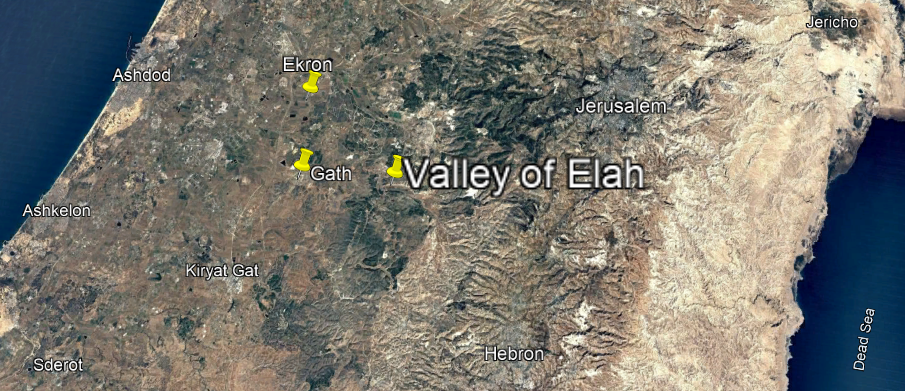


 Considering the Bible