My wife and I are reading through the Psalms in our evening reading and occasionally a nugget of the Psalms jumps out of the page. Don’t you love it when, after years of reading the “Old Book” passages become alive, reinforcing old teachings or simply warming your heart.
This is the book of Psalms, and it is rich.
I pray I can communicate a portion of the blessing we receive from this wonderful book.
Psalm 54
4 Behold, God is my helper; the Lord is the upholder of my life. 5 He will return the evil to my enemies; in your faithfulness put an end to them.
We discussed the Ziphites, and the type of character these clans men of David had in these men in our last post. In this current writing, we will consider how David understands God.
God our Helper
He begins with a description of God as his helper. This particular word provides the image of the helper surrounding the helpless one, of protecting the one in need. Our God is One who is a helper, One who protects those who fear Him. I can not help but think of Psalm 91:4 as a similar sentiment in this description of our God as our protector, helper.
Psalm 91
4 He will cover you with his pinions, and under his wings you will find refuge; his faithfulness is a shield and buckler.
As a mother eagle covers her helpless chicks, so our God covers his people with his love. Consider that the mighty eagle has far greater abilities (as does our God) than to simply provide a defensive cover for her chicks, but the protection described here is an act that gives security, a sense of safety, a nearness of strength and an experiential comfort for the chicks.
Also, this position of covering by the mother eagle is a stance of self sacrifice. Any intruder or attacker will have to go through the mother before they get to the helpless chicks!
God our Upholder
Not only is God David’s protector, but God is the upholder of his life. A term that is synonymous with upholding is sustainer. God is not simply protecting his children that have no other needs. He is not simply a protector, but He sustains us. We can claim nothing in us as independent of God, for He is the source of life. Not only is He the source of life, but the continual provider of life, for He is as a river of life providing a continual source of life for his children. He is not One who provides life to His child and then says “Good luck with that”, or “Hope everything turns out while I look the other way”. He sustains us, upholding our heart, soul and body for His pleasure.
Regarding verse 5, David declares, based on the faithfulness and righteousness of God, that evil will return on these foreigners, these men who claim to be of the nation of God. There is little said in the future passages of King David’s reign regarding the Ziphites. One passage recounts these treacherous, ruthless men trying a second time to betray David – yes they betray him a second time – (See 1 Samuel 26:1-4) but after that disgraceful act, Scripture seems silent on this family of the tribe of Judah.
History though, speaks of the land of the Ziphites becoming a royal estate/vineyard. The true King redeemed the land from these treacherous men, just as our King will redeem this earth from the clutches of betrayers, becoming a fruitful vineyard and a place for royalty, as it should be, for the King has the right to rule over His Kingdom!
As many who have followed me for a bit, I have fallen into the Psalms, and I can’t get up! (As if I would want to.) The Psalms are a majestic collection of poetry, of heart felt human experiences that constantly challenge me in my own frail attempt to follow the true King. As many of the Psalms are written by David, my study on the Psalms has spurred me on to looking at the life of David, is the main contributor to this book, and to follow the victories and tragedies of the shepherd King of Israel.
Many times in the narrative, we will see the Lord Jesus, imperfectly, yet a reflection of His spirit in a man with weaknesses.
In our last study, Samuel provided Saul the message that he was going to be king over the people of God, and that he was to reign over them and protect them from enemies. In this portion of Scripture, Samuel addresses the nation, informing them of how God see’s their decision, demanding a king to be like the rest of the nations.
1 Samuel 10:18,19
18 And he said to the people of Israel, “Thus says the LORD, the God of Israel, ‘I brought up Israel out of Egypt, and I delivered you from the hand of the Egyptians and from the hand of all the kingdoms that were oppressing you.’ 19 But today you have rejected your God, who saves you from all your calamities and your distresses, and you have said to him, ‘Set a king over us.’ Now therefore present yourselves before the LORD by your tribes and by your thousands.”
How does God understand the Israelis decision to demand a king? We have mentioned His understanding of this decision a number of times, but this passage makes it abundantly clear. The nation of Israel, the people of God, have rejected God from being their king.
Rejected! Wow. That is so harsh Samuel. Surely the people of God did not intend to hurt God’s feelings, or make it seem like He wasn’t good enough to be King. Surely this option of installing a human king was allowable, for the people of God had multiple judges before and currently a prophet had been leading them for decades by now. Installing a king – What difference does that make?
Well, when Samuel used the term “rejected”, he wasn’t candy coating the message. The Hebrew word is מָאַס mâʼaç, and is translated in numerous ways. Abhor, cast away, despise, disdain, become loathsome… I think you get my point.
By demanding a king, a human king that is, the people of God showed their disdain for God, considered God loathsome, and were casting God to the side. They knew of a better way, and rejected the very One who created them, redeemed them, rescued them and protected them.
Earlier I had asked why installing a king was such a big deal. Can anyone provide a guess? I have my opinion, (I always have my opinion!) but I would like to see if any of my readers have a better idea. Let me know in the comments.
The last phrase of this passage is where I would like to end for this post. Notice that Samuel tells the nation to present themselves before the LORD. The twelve tribes of Israel were to “take a stand” before the LORD, and in our next portion of this Scripture, we will discover how the king was chosen. Samuel knows who is going to be king, and Saul knows who is going to be king, but to have their king, the nation needs to present themselves before God, understanding they have rejected God.
We will look at the choosing next time, but consider how you would feel, if you were told that a decision you made amounted to rejecting God. Then told to present yourself before Him.
Uncomfortable much?
Thanks again for coming to visit. I hope you found something of interest in this post and would appreciate a comment, to begin a discussion. If you know someone this blog may bless (or challenge), send them a link, so they may join us in our discussion.
My wife and I are reading through the Psalms in our evening reading and occasionally a nugget of the Psalms jumps out of the page. Don’t you love it when, after years of reading the “Old Book” passages become alive, reinforcing old teachings or simply warming your heart.
This is the book of Psalms, and it is rich.
I pray I can communicate a portion of the blessing we receive from this wonderful book.
In our introduction to this psalm, we considered the Ziphites, those treacherous, man pleasing Israelites who sought to rat out David to king Saul. Since then, I have found that the Ziphites were a clan of one specific tribe of Israel. The tribe they belonged to was of the tribe of Judah, David’s own tribe!
This betrayal reminds me of the betrayal of Judas, in that David surely expected to have confidence in his own tribal family, and yet we find David once more reflecting the future greater King Jesus in his betrayal by a confidant. Truly the Ziphites are a picture of Judas, in that both were in close association with David/Jesus, and both the Ziphites/Judas used sensitive information for their own act of betrayal. They gave up their “friend” to a godless authority, who was a replacement for God in their lives.
But alas, I need to focus on the Psalm, for that is the purpose of our time together. Let’s consider David’s thoughts.
Psalm 54
1 To the choirmaster: with stringed instruments. A Maskil of David, when the Ziphites went and told Saul, “Is not David hiding among us?” O God, save me by your name, and vindicate me by your might. 2 O God, hear my prayer; give ear to the words of my mouth. 3 For strangers have risen against me; ruthless men seek my life; they do not set God before themselves. Selah
David calls out to God in prayer, seeking salvation from the treachery of his clansmen. From those who were his very family! How this must have added to the emotional pressure to drive David into despair! Yet, he seeks salvation by the name of God, which is in my mind, a fantastic turn of phrase for David to record.
Save me by your name.
I am currently enjoying, by the providence of God, a study in the Names of God as revealed in the Scriptures, and when the term “name of God” comes up, multiple characteristics of our Savior are brought to mind. David, in looking to God for his rescue in this betrayal, depends on the character of God, the God he has understood, the God he has experienced. A saving God, not only from a bear and lion when he was in the fields, but from a giant named Goliath. He experienced God as a saving God, and to that “type” of God he called out to. It was no theoretical deity he was calling out to!
He also looks for vindication by the might of God. Vindication is an interesting term, for when I think vindication, I think revenge. Earlier in the Psalms, David has requested vindication (See Psalms for Psome – Ps 43.01). Based on these earlier studies, I am not convinced David is simply looking for a one sided judgement against the Ziphites, for though he states “vindivcate me”, using the term vindicate is a request to judge, or to execute judgement. David is allowing God to make a judgement on who is the guilty party, and though David may have a clear conscience in the circumstance, yet he is allowing God to teach. He is not simply pointing a finger to the Ziphites and seeking God to condemn them, to pass some sentence on them. He is asking for God’s judgment on both parties!
Centuries later another man seeking God’s will, provides this humble attitude for our instruction, reminding us that God is the ultimate Judge, and that we all shall be judged by Him, and not by our own feelings, confidence or reasonings!
1 Corinthians 4
3 But with me it is a very small thing that I should be judged by you or by any human court. In fact, I do not even judge myself. 4 For I am not aware of anything against myself, but I am not thereby acquitted. It is the Lord who judges me.
But who were those whom David sought salvation from? How did David describe his fellow clansmen?
Strangers
Those Ziphites were strangers. David, how can you say that? They are men of Israel, even of your own clan of Judah! Yet even in this description, we are given a chance to remember that bloodlines mean nothing in the family of God. True, they came from the same father, from Israel’s fourth son Judah, many years ago, but that did not guarantee their standing before God. Numerous passages in the Old Testament contain this Hebrew word, and the word is translated sometimes as “foreigners” with some ominous implications. Two passages, from the prophet Isaiah, may provide this understanding.
Isaiah 1:4, 7
Ah, sinful nation, a people laden with iniquity, offspring of evildoers, children who deal corruptly! They have forsaken the LORD, they have despised the Holy One of Israel, they are utterly estranged.
Your country lies desolate; your cities are burned with fire; in your very presence foreigners devour your land; it is desolate, as overthrown by foreigners.
Note in the first verse, the very nation of Israel is called out a utterly estranged. They have become as foreigners the the very covenant of God they belonged to. Not three verse later, the same term describes the foreigners/strangers are those who devour the land. The Ziphites are described in the same manner as the Babylonians who destroyed the nation of Israel, taking them into captivity.
Ruthless
David continues to describe the Ziphites as ruthless men. These men had sensitive information for the king of Israel, and calling them ruthless describes their intent and actions. They we influential, and had the information to destroy the future king of Israel. As we often hear nowadays, “Information is power”! So true for the Ziphites and they used this information ruthlessly.
David’s last description in verse 3 simply states the source of this decision by the Ziphites to betray their own brother. They do not set God before themselves! Selah, or take a moment to consider this statement!
Those who seek favor from a God replacement must not be setting the True God before themselves. How could someone seek a man’s favor when they know God actively in their lives? David is giving us the source of the Ziphites core condition in this short phrase. They have decided (whether actively or passively) to not set God before their eyes!
Conversely, the believer will set God before their eyes in a purposeful, intentional way. Without this core action on the part of the believer, we will fall into justifying socially acceptable deeds, such as informing on an enemy of the state, or simply gossiping about a work mate, instead of understanding God’s ways and seeking to follow His will.
As believers, we need to know the will of God and be willing to reject the attraction of socially acceptable behavior. What think ye?Shall we not, as believers, seek to avoid looking like strangers to the covenant God has provided, and acting as ruthless men?
As many who have followed me for a bit, I have fallen into the Psalms, and I can’t get up! (As if I would want to.) The Psalms are a majestic collection of poetry, of heart felt human experiences that constantly challenge me in my own frail attempt to follow the true King. As many of the Psalms are written by David, my study on the Psalms has spurred me on to looking at the life of David, is the main contributor to this book, and to follow the victories and tragedies of the shepherd King of Israel.
Many times in the narrative, we will see the Lord Jesus, imperfectly, yet a reflection of His spirit in a man with weaknesses. Let’s continue with our look into the man who would become Israel’s first king, if only to consider the historical condition David enters into as he soon appears in our study.
1 Samuel 10:1
1 Then Samuel took a flask of oil and poured it on his head and kissed him and said, “Has not the LORD anointed you to be prince over his people Israel? And you shall reign over the people of the LORD and you will save them from the hand of their surrounding enemies. And this shall be the sign to you that the LORD has anointed you to be prince over his heritage.
In this passage we find Saul receiving his office as king and two mandates for the remainder of his life.
Saul was to be Prince over God’s people Israel
Saul went from being a donkey hunter to replacing God as the king of Israel. Heady stuff! To be a prince over God’s people.
Not only is Saul to be king over a nation, but it is a nation that has been miraculously created and rescued from dangers and threats since it was established, without the need of a king. Talk about filling a position that is not required, other than to satisfy the whim of a population that seeks to walk away from God. I don’t know about you, but I do not envy Saul being given this honor!
Three times Samuel refers to the LORD in this passage, using the tetragrammaton, the four letters that represent God’s self existent revelation of His person. Is Samuel possibly reminding Saul that God, who placed him on the throne, is not some territorial god that is “one among many”, but that He is the eternal self existent God that depends on no one and provides for all?
No matter what, Saul has his work cut out for him and Samuel provides two mandates from the Lord as to his mission in life as king of Israel.
Saul is to reign over the people of the LORD
As I said, Saul has his work cut out for him, replacing the Lord in reigning over the LORD’s people. Yes, it is true that theoretically he was not to be independent of God, but to find direction, strength, wisdom, understanding, patience, and all the other components required to reign over God’s people per God’s direction, from God and God only.
But what is it to “reign”?
Some of my brothers in the faith would say that to reign is to control, to influence each citizen of the kingdom in all their decisions and actions, requiring all to be compliant to the whims and wishes of the monarch. I suppose this may be the intent of leader who is insecure, or that is power hungry. Would you agree that both of these types of leaders do not represent God’s wishes in a leader?
Consider that if God chooses a man for a position, the security comes from God, and if for some reason God decides to move the man onto some other responsibility, that is simply a matter of obedience to the will of God.
If the leader is power hungry, and has exorbitant demands, continually increasing in his authority over the people he reigns, he becomes a dictator. Under a dictator, the people always suffer, for he is not there to serve the people, but to abuse his position and take what is not rightly his.
As King, Saul was to reign over the LORD’s people. Although not comparable in every way, there are some similarities to the leaders in the New Testament church. All of God’s leaders have some commonalities in their work for God. For those who may be interested, I considered what it meant for a New Testament leader to rule in the church in a blog years back. (Christian Accountability – Rule).
Let me know if a king over Israel could rule his people using the same method as described in Hebrews 13. I would suggest that the king of Israel was to primarily be a servant of the people, to direct the people into a society that honors God and promotes both internal and external peace for it’s citizens.
Saul is to save the people of the LORD from their enemies
As mentioned above, the second mandate given to Saul from the LORD was to save them from their enemies. This has been the LORD’s desire throughout Israel’s history and should not surprise us as a specific task. He is not tasked with developing a new social order, creating a different type of economy or producing a new style of worship to their God.
He is to protect them, save them from threats. Given the history of God’s method of protection prior to Saul’s arrival on the scene, we should not understand that this requires a multiplicity of horses and chariots, of increasing the size of the army, or of building defensive battlements, unless directed by God of course. But this hasn’t been the typical direction God has taken this nation!
Consider the unorthodox methods God has used to deliver the nation prior to Saul being installed as king.
Use a famine to direct a small family into a strange nation (Egypt).
Allowance of the people to become slaves for a great delivery to be performed.
Use a stutterer to confront the most powerful man on earth, demanding the slave be let go.
Ten plagues, with protection for the people of God for each plague.
Split the Red Sea to save the people and defeat the Egyptians.
Rain manna down from heaven to supply for the nation.
Parade around a town for a week until the walls fall down.
Send out a coward out to fight and defeat the Midianites, with only 300 farmers.
Need I go on?
To be the king of Israel, from a historic perspective, meant that conventional methods of protecting the nation were not typical. The nation of Israel was to be completely different, not only in their worship, but also in who they looked to for their safety. Saul is now under the microscope of every citizen of Israel, and he has only One hope.
That hope turns out to be the One he is replacing as the leader of the nation.
Yes I surely do not envy Saul’s position. It is a good thing that the LORD is not a power hungry dictator or an insecure monarch, but is the perfect and rightful King. He was ever ready to provide guidance to Saul for his success. God is also ever ready to provide for us as we seek His guidance and do as He directs. He has never stepped down from His throne, and we can be thankful it is a throne of grace, ever ready to provide help in time of need.
Hebrews 4:16
Let us then with confidence draw near to the throne of grace, that we may receive mercy and find grace to help in time of need.
Thanks again for coming to visit. I hope you found something of interest in this post and would appreciate a comment, to begin a discussion. If you know someone this blog may bless (or challenge), send them a link, so they may join us in our discussion.
My wife and I are reading through the Psalms in our evening reading and occasionally a nugget of the Psalms jumps out of the page. Don’t you love it when, after years of reading the “Old Book” passages become alive, reinforcing old teachings or simply warming your heart.
This is the book of Psalms, and it is rich.
I pray I can communicate a portion of the blessing we receive from this wonderful book.
Psalm 54
1 To the choirmaster: with stringed instruments. A Maskil of David, when the Ziphites went and told Saul, “Is not David hiding among us?” O God, save me by your name, and vindicate me by your might. 2 O God, hear my prayer; give ear to the words of my mouth. 3 For strangers have risen against me; ruthless men seek my life; they do not set God before themselves. Selah
As we begin in Psalm 54, some background information is critical to consider. Even David, at the time of his writing this psalm, provided the reason for this psalm of thanksgiving, and it will do us well to understand his situation.
David was on the run from king Saul. He had been anointed king of Israel, and Saul was having none of it. As the king of Israel, Saul had the resources of the government, and of those who seek his allegiance as the authority in the nation.
As an aside, this is one of the fallouts when we replace God in our lives with a human leader. The transferred allegiance to a mortal leader can divert from God’s will, even becoming a tool to persecute those who seek to follow God. So treacherous and yet such an appearance of godliness!
Let’s take a moment to review the passage in 1 Samuel 23, where the treacherous Ziphites approach king Saul to inform him of David’s whereabouts.
1 Samuel 23
19 Then the Ziphites went up to Saul at Gibeah, saying, “Is not David hiding among us in the strongholds at Horesh, on the hill of Hachilah, which is south of Jeshimon? 20 Now come down, O king, according to all your heart’s desire to come down, and our part shall be to surrender him into the king’s hand.” 21 And Saul said, “May you be blessed by the LORD, for you have had compassion on me. 22 Go, make yet more sure. Know and see the place where his foot is, and who has seen him there, for it is told me that he is very cunning. 23 See therefore and take note of all the lurking places where he hides, and come back to me with sure information. Then I will go with you. And if he is in the land, I will search him out among all the thousands of Judah.”
I am curious if the king required his subjects to “rat” on David. Had an edict, or law been passed that required citizens of the nation of Israel to report on David’s whereabouts? I haven’t found anywhere in the text where Saul formally distributed an edict amongst the citizens of Israel, requiring the citizens to inform on David’s whereabouts. Yet it must have been common knowledge that Saul was after the future King. Hearing of the King’s desires can be as powerful as a formal law for those who seek the Kings favor. And of course, as we read in this background passage, the Ziphites were definitely seeking the king’s favor.
The Ziphites were from the area defined in the map to the right, which also provides the location of Horesh, where David was in hiding, and where the Ziphites were able to locate him. Yet notice the distance to Gibeah, where the Ziphites had to travel to inform Saul of this development. It is close to 25 miles as the crow flies, approximately a days journey for the Ziphites to get to Saul. A days journey there and a days journey back! These folk were determined to get on Saul’s good side!
They bring him good news, and then he, as king of Israel, sends them back for verification. Never enough eh? Give me more information says Saul. This is the spirit of a bossman, a man who is never satisfied, a proud man that uses people.
Notice also that king Saul blessed these folk, but as we well know, these men were treacherous men, seeking to find favor with a king that has had the kingdom taken from him. Did the Ziphites know of Saul’s loss of the kingdom? That is uncertain, but Saul’s vengeful character, his selfish manner and his desire for power should have given the Ziphites guidance on the wisdom of sharing this information.
They should have considered who they were telling secrets too, for I was once told that if a man complains about someone to me, he will complain about me to someone. It is a rare man (or woman) who considers the person’s character he reveals info to, instead of simply looking for instant gratification, as the Ziphites seem to be seeking. Certainly, the Ziphites were ignoring Saul’s character, being deceived by his godly platitudes and were not recognizing the type of man they were revealing sensitive information to.
It is our wisdom to understand those we share sensitive data with, as the Lord himself has informed us in the gospel of Matthew.
Matthew 7:6 “Do not give dogs what is holy, and do not throw your pearls before pigs, lest they trample them underfoot and turn to attack you.
Definitely the need for wisdom is paramount for us as believers in today’s treacherous world, and yet we can have confidence in sharing the love of God with those we come in contact with. He is good, and provides direction in our lives as we look to Him. In all our discussions with those we come in contact with, let us not seek the favor of anyone other than the Lord Himself.
I have spent a bit of time reviewing the context of David’s condition as he writes this Psalm. We shall return to our Psalm in our next post, where David pours out his heart concerning the impact these Ziphites were causing in his attempt to stay alive.
May God bless you as you seek his way this wonderful day.
As many who have followed me for a bit, I have fallen into the Psalms, and I can’t get up! (As if I would want to.) The Psalms are a majestic collection of poetry, of heart felt human experiences that constantly challenge me in my own frail attempt to follow the true King. As many of the Psalms are written by David, my study on the Psalms has spurred me on to looking at the life of David, is the main contributor to this book, and to follow the victories and tragedies of the shepherd King of Israel.
Many times in the narrative, we will see the Lord Jesus, imperfectly, yet a reflection of His spirit in a man with weaknesses.
1 Samuel 9:15-16
15 Now the day before Saul came, the LORD had revealed to Samuel: 16 “Tomorrow about this time I will send to you a man from the land of Benjamin, and you shall anoint him to be prince over my people Israel. He shall save my people from the hand of the Philistines. For I have seen my people, because their cry has come to me.”
We last left Saul and his assistant having met with some women coming out of the city, and receiving instructions as to how to find the seer Samuel.
This short passage provides instructions to the other participant in that meeting, as the Lord prepares Samuel for a fateful time with the future king of Israel. Remember, this is the man that will take over the leadership of the nation of Israel, and not only that, but a new office is being created here, that is the office of a king, effectively overshadowing, at least in Samuels thinking, that of his office of prophet.
You have to wonder what is going on in the prophets mind prior to this meeting. Earlier we have considered that the demand for a king by the nation of Israel amounted to the rejection of God as their king, (1 Samuel 8:7) and this surely affected Samuel, as God’s representative! Yet God, in the midst of His rejection by the nation, sought to protect His prophet from thinking it was the nation rejecting him.
What may be of greater interest in my thinking is – What is going on in the Lord’s mind at this time?
Let’s consider what is happening. The Lord provides Samuel direction on when he will meet the future king, where the king is from, and the method of placing Saul in the office of king. All of this is for Samuels benefit.
If I were to guess God’s next message to Samuel, is that judgement will fall on the nation of Israel due to their rejection of God. Fire and brimstone, plagues, poverty, death, destruction, pestilence, starvation. But that is only my guess. After all, this is a rejection of the One who not only created Israel, but rescued the fledgling nation from the grip of Egypt, provided a land of milk and honey to them, and protected them as they fought their battles.
But take note of the Lord’s (not my) thoughts.
For I have seen my people, because their cry has come to me.
What? What type of God do we worship? In the midst of the nation’s rebellion, God sees their suffering and responds out of mercy to a traitorous people. He actually will use the people’s sinful choice of a king for their own benefit, and rescue them from the Philistines!
Don’t get me wrong – judgement will come, for even back during Moses time, this rejection was foretold.
Deuteronomy 28:36-37 “The LORD will bring you and your king whom you set over you to a nation that neither you nor your fathers have known. And there you shall serve other gods of wood and stone. And you shall become a horror, a proverb, and a byword among all the peoples where the LORD will lead you away.
This future judgement based on their rejection of God’s ways, including the demand for a king, would also exhibit the patience and longsuffering of the Lord, for it would be centuries of God’s pleading with the nation before they were led away, experiencing the prophecy of Moses.
God’s reaction in this passage speaks volumes of the God I know so little of. He is gracious in the most extreme way, in the midst of a betrayal by the nation, He provides a salvation for them.
Is it any surprise, when we consider the grace of the Father with Israel over 3,000 years ago, that His ultimate saving action would only magnify this exhibition of His mercy and grace? On the cross, He provided a far greater salvation to those who hated Him and sought to destroy Him?
Let’s face the facts. He is good and He is good all the time! Take time today to thank Him for His many mercies!
Thanks again for coming to visit. I hope you found something of interest in this post and would appreciate a comment, to begin a discussion. If you know someone this blog may bless (or challenge), send them a link, so they may join us in our discussion.
My wife and I are reading through the Psalms in our evening reading and occasionally a nugget of the Psalms jumps out of the page. Don’t you love it when, after years of reading the “Old Book” passages become alive, reinforcing old teachings or simply warming your heart.
This is the book of Psalms, and it is rich.
I pray I can communicate a portion of the blessing we receive from this wonderful book.
We are visiting Psalm 53, which upon even a cursory review, sounds very familiar. So it should, for it is almost identical to Psalm 14, and with that similarity, I would like to consider the similarities and differences each Psalm is communicating. This post will consider verse 3 of the two Psalms.
Psalm 14
Psalm 53
3 – They have all turned aside; together they have become corrupt; there is none who does good, not even one.
3 – They have all fallen away; together they have become corrupt; there is none who does good, not even one.
Psalm 14:3and Psalm 53:3 are identical in all aspects but for one. Is there a difference between turning aside and falling away? Let’s consider this difference in today’s post.
Psalm 14
Psalm 53
turned aside
fallen away
Strongs H5493, סוּר çûwr, soor
Strongs H5472, סוּג çûwg, soog
Genesius’ Hebrew Lexicon defines this term as – to turn aside, to go away, to depart.
Genesius’ Hebrew Lexicon defines this term as – to go away from, to draw back. This term is sometimes associated with backsliding, or moving away
TWOT #1480a
TWOT #1469
I gotta admit something. I am trying to find a difference between Psalm 14:3 and Psalm 53:3, but I can’t!
Though the action taken by the fool is defined by two different Hebrew words in the verses, the Hebrew words are very closely associated (synonyms?). The translation given also provides similar, if not identical actions. The fool turns away from God. The fool falls away from God. Granted, as I took my preliminary read of the two verses, I started thinking falling away is less of an intentional act than turning back, but again the Hebrew words do not allow me to follow that seeming difference.
All that to say, the message is the same. The fool departs from God! This is simply a logical outworking of the contemplation of the heart – no God! No restrictions, and no responsibilities to behave properly with our neighbor! I gotta admit that I sometimes pull a magnifying glass out and try to study little differences in words, when I really just need to pull back and look at the big picture.
Note that David is returning to the concept of corruption. Remember in verse 1, David stated that “They are corrupt”. In this verse, David is describing the group of fools as having “become corrupt”. Which is it David?. They are corrupt or they are becoming corrupt?
Individual or Social?
Although I have no authority in backing up this suggestion, I would like to offer a thought for your consideration. In verse one, might David be referring to an individual fool, and that as an individual, the corruption is a fact. The internal heart condition is in a state of corruption, the degree of which may be different for each fool. Is the corruption evident? Possibly, even probably to a degree, but as the fool continues in his heart contemplation of rejecting God, the evidence of corruption becomes clear.
In verse 3, David includes the descriptive term “together” which I think may hint at the corruption of a group, in contrast to the individual. Is it not true that as an individuals inner corruption becomes evident, it emboldens others to reveal, even boast in their their corruption, allowing for the social fabric to show forth its total corruption. Notice that the verse starts out with this group inclusion thought, by stating “They have all fallen away”.
The last phrase may also support this idea of a group of fools being addressed, in that David emphasizes a singular fool in the midst of the group when he states… “there is none who do good, not even one.” Let me know your thoughts in the comment box below.
With all this analysis, let us remember that the departure from God, corruption that follows and eventual evil acts produced, flows from a heart that rejects God. Every day that we ignore God and His will, we slip towards corruption, to falling away, and to evil acts. This ought not to be, for as the people of God, He has called us to life (not death & corruption), to walking uprightly (not falling away), and to being fruitful believers instead of workers of iniquity.
Spend some time with the One who gives life, righteousness and the fruit of love. He is the fountainhead of all blessing!
As many who have followed me for a bit, I have fallen into the Psalms, and I can’t get up! (As if I would want to.) The Psalms are a majestic collection of poetry, of heart felt human experiences that constantly challenge me in my own frail attempt to follow the true King. As many of the Psalms are written by David, my study on the Psalms has spurred me on to looking at the life of David, is the main contributor to this book, and to follow the victories and tragedies of the shepherd King of Israel.
Many times in the narrative, we will see the Lord Jesus, imperfectly, yet a reflection of His spirit in a man with weaknesses.
Today Saul meets Samuel, and things start to change for this man.
1 Samuel 9:11-14
11 As they went up the hill to the city, they met young women coming out to draw water and said to them, “Is the seer here?” 12 They answered, “He is; behold, he is just ahead of you. Hurry. He has come just now to the city, because the people have a sacrifice today on the high place. 13 As soon as you enter the city you will find him, before he goes up to the high place to eat. For the people will not eat till he comes, since he must bless the sacrifice; afterward those who are invited will eat. Now go up, for you will meet him immediately.” 14 So they went up to the city. As they were entering the city, they saw Samuel coming out toward them on his way up to the high place.
Saul and his servant are so close now. By chance, as they were climbing up the hill to the city, they met some young women, and asked about the prophet. Sure – he is here, because the people have a sacrifice today on the high place
Sacrifice on the high place? What is going on there? We must remember that Jerusalem and the temple were not the center of worship at this time, but the tabernacle. By the time of Samuel’s call into the ministry as a young child, the tabernacle may have been replaced with a permanent structure in Shiloh, since it was referred to as the temple of the Lord
1 Samuel 1:9 After they had eaten and drunk in Shiloh, Hannah rose. Now Eli the priest was sitting on the seat beside the doorpost of the temple of the Lord.
1 Samuel 3:3 The lamp of God had not yet gone out, and Samuel was lying down in the temple of the Lord, where the ark of God was.
Ok, so the temple was available for worship, yet we find the prophet going to a small city for a sacrifice. On a high place no less. The prophets condemned this behavior multiple times in later years, as we see in 1 & 2 Kings.
1 Kings 3:3 Now Solomon loved the Lord, walking in the statutes of his father David, except he sacrificed and burned incense on the high places.
2 Kings 17:11 and there they burned incense on all the high places as the nations did which the Lord had carried away to exile before them; and they did evil things provoking the Lord.
So, some may think of this as an inconsistency in the message of the Bible, that one prophet sacrifices on a high place and other prophets condemn that action. But consider the expanding knowledge God provides, revealing greater and deeper truth as His people grow. What yesterday was not revealed and “allowed” at a later time is revealed and restricted. It is a common theme through the Word, and best described in a passage by another man called Saul at one time.
Romans 3:25 whom God put forward as a propitiation by his blood, to be received by faith. This was to show God’s righteousness, because in his divine forbearance he had passed over former sins. 26It was to show his righteousness at the present time, so that he might be just and the justifier of the one who has faith in Jesus.
So, let’s get back to our original passage in 1 Samuel. We see Saul and his servant climbing the hill, and as soon as they enter the city, Samuel appears, heading toward them, on his way to the sacrifice. Saul’s meeting the prophet was that quick. No hunting through the city, no delay or avoidance by the prophet, even though it is a mission that is based on the nations rejection of God.
Samuel comes out to them, obedient to God’s command, as we will see in our next passage. He obeys what I would consider to be a very discouraging task, that is to meet the man who will replace God, and by association his prophet, by the nation of Israel. To do that which is displeasing in order to please the One sending him is part of the believer’s life.
Is there something that is ahead for you that is displeasing to you, yet you know it needs to be dealt with? Unless it is time dependent, that is, it is something that cannot be done until a specific time, take care of it today.
One of my favorite verses on this topic is Proverbs 22:13
The sluggard says, “There is a lion outside; I will be killed in the streets!”
Today is a good day to do what you need to do.
Thanks again for coming to visit. I hope you found something of interest in this post and would appreciate a comment, to begin a discussion. If you know someone this blog may bless (or challenge), send them a link, so they may join us in our discussion.
My wife and I are reading through the Psalms in our evening reading and occasionally a nugget of the Psalms jumps out of the page. Don’t you love it when, after years of reading the “Old Book” passages become alive, reinforcing old teachings or simply warming your heart.
This is the book of Psalms, and it is rich.
I pray I can communicate a portion of the blessing we receive from this wonderful book.
We are visiting Psalm 53, which upon even a cursory review, sounds very familiar. So it should, for it is almost identical to Psalm 14, and with that similarity, I would like to consider the similarities and differences each Psalm is communicating. This post will consider verse 2 of both Psalms.
Psalm 14
Psalm 53
2 – The LORD looks down from heaven on the children of man, to see if there are any who understand, who seek after God.
2 – God looks down from heaven on the children of man to see if there are any who understand, who seek after God.
Verse 2 provides a striking difference between the two Psalms. Who is looking down from heaven on the children of men? Psalm 14 speaks of the LORD looking down, whereas Psalm 53 speaks of God looking down on the children of men. What shall we make of this difference?
I have coincidentally just begun a series on the names of God and of course these two primary names of God are considered.
At this time, let us consider if the difference in using two names for God in these psalms may indicate different intended audiences. When we see that God is addressed in Psalm 53, we may understand the audience to be of the more general audience, those not only in the Siniatic covenant (Israel) but of all who have consciousness, alive within this created world. In contrast, when Psalm 14 addresses God with the revealed covenantal name of LORD (Jehovah/Yahweh), David may be targeting the covenantal people of God
Given that in Psalm 53:1, David described the works of the fool as abominable iniquity, and not simply abominable deeds in Psalm 14, may also support this difference in who is looking down on the children of men. Psalm 53, in being directed to a general audience, and may reflect the authors desire to make a point with those outside of the community of faith. Their deeds are incredibly offensive to God. Those outside the community of faith need to understand their plight, for they may not have access to the law of God that provides guidance for their lives, (and conviction of sin).
Are you in a covenant with God, and do you know Him? To avoid the stigma and condemnation / judgement of doing abominable deeds, we must find life in the Son and hold fast to His leadership in our lives.
As we have been venturing through the Psalms, getting lost in the volume of the book, and the many nuggets of truth laid out for believers, I have come to realize (again and again) the beauty of the book, the depth of the book, the expanse of the human experience the book describes and allows us to join into.
We started with a quick dip into one of the most amazing chapters in the Word, one that has impacted my life in various stages of my Christian faith. It is a psalm that spoke to my wife and I as we were reading that night, but it began a journey through the psalms that has continued for over a year, and I suspect may continue to hold me.
With that said, I would like to offer those who read my bumbling efforts to understand one of the great books of the greatest book ever delivered to the human race, an ongoing summary of the findings and blessings I have enjoyed discovering.
As many who have followed me for a bit, I have fallen into the Psalms, and I can’t get up! (As if I would want to.) The Psalms are a majestic collection of poetry, of heart felt human experiences that constantly challenge me in my own frail attempt to follow the true King. As many of the Psalms are written by David, my study on the Psalms has spurred me on to looking at the life of David, is the main contributor to this book, and to follow the victories and tragedies of the shepherd King of Israel.
Many times in the narrative, we will see the Lord Jesus, imperfectly, yet a reflection of His spirit in a man with weaknesses.
Saul is hunting some donkeys. Let’s see what we can glean from this passage.
1 Samuel 9:5-10
5 When they came to the land of Zuph, Saul said to his servant who was with him, “Come, let us go back, lest my father cease to care about the donkeys and become anxious about us.” 6 But he said to him, “Behold, there is a man of God in this city, and he is a man who is held in honor; all that he says comes true. So now let us go there. Perhaps he can tell us the way we should go.” 7 Then Saul said to his servant, “But if we go, what can we bring the man? For the bread in our sacks is gone, and there is no present to bring to the man of God. What do we have?” 8 The servant answered Saul again, “Here, I have with me a quarter of a shekel of silver, and I will give it to the man of God to tell us our way.” 9 (Formerly in Israel, when a man went to inquire of God, he said, “Come, let us go to the seer,” for today’s “prophet” was formerly called a seer.) 10 And Saul said to his servant, “Well said; come, let us go.” So they went to the city where the man of God was.
In our last post, I suggested that Saul and his assistant had been sent on a hunt for his families donkeys, and that it may have been quite an extensive journey. With the start of verse 5, we are introduced to the land of Zuph, where most think it was just to the north of the land of the Benjaminite’s. When Saul and his servant entered this area, Saul had had enough of the search and wanted to turn around. No food and gone so long! Yet so close to the prize, though he knew it not.
Nevertheless, his servant spoke of a prophet that might help in completing the task, and after all of Saul’s reasons not to go, he relented.
Notice that the servant was the motivator to take Saul the last few yards to the finish line. How important to have those around us that provide encouragement to pursue the end game, to be the voice that pushes us to the last few steps we need to take. It seemed Saul had a good reason for turning back, since his father may being worrying that they had been so long. But a nameless servant with a good argument and a quarter won the day, and the nation of Israel was never the same!
Be an encourager for someone today. Someone may be getting ready to turn back, to give up, to throw in the towel, and your kind words and offer of help may make all the difference.
1 Thessalonians 5:11 Therefore encourage one another and build one another up, just as you are doing.
Thanks again for coming to visit. I hope you found something of interest in this post and would appreciate a comment, to begin a discussion. If you know someone this blog may bless (or challenge), send them a link, so they may join us in our discussion.
My wife and I are reading through the Psalms in our evening reading and occasionally a nugget of the Psalms jumps out of the page. Don’t you love it when, after years of reading the “Old Book” passages become alive, reinforcing old teachings or simply warming your heart.
This is the book of Psalms, and it is rich.
I pray I can communicate a portion of the blessing we receive from this wonderful book.
We are visiting Psalm 53, which upon even a cursory review, sounds very familiar. So it should, for it is almost identical to Psalm 14, and with that similarity, I would like to consider the similarities and differences each Psalm is communicating.
The first item to review is the topic of a fool. Both psalms speak of the “fool” and in our modern way of understanding, to call someone a fool implies one who is deficient in understanding, judgemnt or sense. One who is easily tricked, or made to look foolish/stupid. This is not the primary meaning of when the Hebrew mind read this word.
The term found in both psalms is nāḇāl, and if you think back in David’s life, you will recognize this noun as a proper name of one of David’s enemies.
1 Samuel 25:3 Now the name of the man was Nabal, and the name of his wife Abigail. The woman was discerning and beautiful, but the man was harsh and badly behaved; he was a Calebite.
Note that the Scripture gives us a character description of the man named “fool” as being harsh and badly behaved. Nothing to do with intelligence directly, but a commentary on his lifestyle and behavior. To be a fool (nāḇāl) in the Hebrew mind was to reject God’s authority and influence, being controlled by the baser elements of the earthly life.
David is not making a commentary on the intelligence of the one rejecting God, but on the moral standing of that one. With that short introduction, lets consider our first verse.
Psalm 14
Psalm 53
1 – To the choirmaster. Of David. The fool says in his heart, “There is no God.” They are corrupt, they do abominable deeds; there is none who does good.
1 – To the choirmaster according to Mahalath. A Maskil of David. The fool says in his heart, “There is no God.” They are corrupt, doing abominable iniquity; there is none who does good.
Note that Psalm 53 has the additional instruction of “according to Mahalath. A Maskil of David”. Mahalath, from what I have found, refers to an instrument, possible a harp, along with the description of David the psalm as a maskil. This is another mysterious word, but many scholars lean to the idea that this word describes a contemplation or an instructive message.
For Psalm 53 to include this addition may emphasize the seriousness of the message, since Mahalath also may have a sense of mournfulness, sadness or entreaty.
The fool contemplates the existence of God in his heart. During this contemplation, he concludes that there is either no God, (as the translation records – “There is no God”) or that the fool rejects God’s authority over him, by saying “No God”. For you see, the Old Testament text does not include specific words that may be translated as “There is” – see snippet from the Blue Letter Bible to the right.
Either an athiest or a rebel – Which my friend do you consider to be the worst fate?
This is the beginning of becoming the fool, for without God, there are no lasting standards defining right from wrong, and therefore all things are relativistic, according to multiple authorities, with inevitable conflicts. Truly a foolish way to live!
Corrupt
David continues in the first verse of both Psalm 14 and 53 to describe the outcome of this contemplation. Both Psalms speaks of corruption, of a spoiling or rotting, even of a perverting of their very nature. Their very nature or character is being destroyed by this thinking, falling to baser and baser levels of existence. They are literally rotting on the inside. After David’s description of the fool’s character, he goes on to to describe the works produced by this fool.
Abominable Deeds/Iniquity
This is where we find a difference in the Psalms we are looking at. You see, Psalm 14 speaks of deeds, whereas Psalm 53 brings the darker concept of iniquity into the equation.
Psalm 14
Psalm 53
they do abominable deeds
doing abominable iniquity
Psalm 53 raises the stakes in speaking of abominable iniquity. Both describe the activities as abominable, that which is abhorrent, but with the added concept of iniquity, Psalm 53 becomes an even darker description of the fools works. Iniquity speaks of injustice, including violence, which if considered, will always become the end result of a life with no standards. This is the end result of saying “No God”
Uniform in not Doing Good
A final description within both Psalms speaks of this group of fool as being homogeneous, pure and without any deviation in their work of doing good. That is, no-one that contemplates the non existence of God, or that refuses to bow before Him, performs any good. To say that no one does good, for some, implies that the fool cannot even understand goodness or righteousness. Yet, let’s remember that David is speaking of actions when he speaks on no one doing good, based on the contemplation of the heart.
Yes, the heart, if hardened beyond reach, this condition sets the fools actions into inevitable evil and injustice. Yet, I am not convinced the contemplation of the heart is necessarily complete in any fool, for I too (as you may be) lived a fools life and contemplated a life of the rebel, saying no to God. In His mercy, He invited me into a living relationship with Him, and by His grace, He is pulling me out of a life of injustice and violence.
Are you contemplating saying no to God? My friend, consider you ways, for a life of rejecting God will lead to a life of injustice. A life of walking with Him will produce love and peace, both internally and as an outworking of the heart into the lives of others.
As many who have followed me for a bit, I have fallen into the Psalms, and I can’t get up! (As if I would want to.) The Psalms are a majestic collection of poetry, of heart felt human experiences that constantly challenge me in my own frail attempt to follow the true King. As many of the Psalms are written by David, my study on the Psalms has spurred me on to looking at the life of David, is the main contributor to this book, and to follow the victories and tragedies of the shepherd King of Israel.
Many times in the narrative, we will see the Lord Jesus, imperfectly, yet a reflection of His spirit in a man with weaknesses.
A short review of Saul’s call to be King!
1 Samuel 9:3-4
3 Now the donkeys of Kish, Saul’s father, were lost. So Kish said to Saul his son, “Take one of the young men with you, and arise, go and look for the donkeys.” 4 And he passed through the hill country of Ephraim and passed through the land of Shalishah, but they did not find them. And they passed through the land of Shaalim, but they were not there. Then they passed through the land of Benjamin, but did not find them.
Saul was on a journey. A journey to destiny! Little did he know of the life changing meeting he would have with a prophet of God while searching for his father’s livestock.
I suppose the first thing I am curious about is the route he took in looking for his animals – through the hill country of Ephraim, through Shalishah, though Shaalim, and through the land of Benjamin.
Best I can tell, the map to the right provides demarcation of the Hill Country, and lands of Benjamin and Ephraim. This journey may have been as much as 100 miles round trip, traveling through hilly country, looking for donkeys.
Donkeys!
When I think of Old Testament Israel, I think sheep, not donkeys, yet these animals were common in the land, even used to transport royalty in the very near future. And Saul, with an assistant was out looking for a heard of donkey’s upon assignment from his father Kish.
Let’s think about this. A prominent, wealthy family looses a herd of donkeys. Does this speak of bad livestock management practices? We need to give Kish and his family the benefit of the doubt as this occurrence was used of God to direct Saul to a fateful meeting with Samuel. To be anointed the first King of Israel, continuing the rejection of God as their King!
What are you talking about Carl – Israel’s rejection of God? You see, Saul was out searching for lost donkeys, spending a considerable amount of time and effort chasing after them. It turns out he never did find them. But he was led to a prophet that had been told of Israel’s rejection of God, of God giving the nation He created, saved and established what they wanted. And what did they want? A replacement leader. Someone instead of God. We will see this as a consistent truth as we venture through the Old Testament, but it is good to understand how this impacts not only Samuel’s life, but more importantly God’s interpretation of Israel’s desires.
1 Samuel 8:7 And the LORD said to Samuel, “Obey the voice of the people in all that they say to you, for they have not rejected you, but they have rejected me from being king over them.
Sobering thoughts on the desires of a nation, when it simply wants to be like the nations around it.
Thanks again for coming to visit. I hope you found something of interest in this post and would appreciate a comment, to begin a discussion. If you know someone this blog may bless (or challenge), send them a link, so they may join us in our discussion.
My wife and I are reading through the Psalms in our evening reading and occasionally a nugget of the Psalms jumps out of the page. Don’t you love it when, after years of reading the “Old Book” passages become alive, reinforcing old teachings or simply warming your heart.
This is the book of Psalms, and it is rich.
I pray I can communicate a portion of the blessing we receive from this wonderful book.
Psalm 52:8 But I am like a green olive tree in the house of God. I trust in the steadfast love of God forever and ever. Psalm 52:9 I will thank you forever, because you have done it. I will wait for your name, for it is good, in the presence of the godly.
David has just described the doom of the mighty man, along with the reaction of the humble man to the “breaking” of the mighty man. We considered what it meant to be broken and what seeking refuge in his own destruction may be describing. (Who in their right mind would seek refuge in their own destruction).
David, in our portion this time, describes his own experience in relation to God. He is like a green olive tree, and when I hear the term olive tree I think of God’s covenant relationship with His people. See Jeremiah 11:16 for an example.
Jeremiah 11:16 – The LORD once called you ‘a green olive tree, beautiful with good fruit.’ But with the roar of a great tempest he will set fire to it, and its branches will be consumed.
Not only does the green olive tree remind me of the relationship God had with His nation Israel, it also reminds me of the new covenant we enjoy under the Lord’s authority today.
But beyond all that, I think of the wonderful oil that is produced from the fruit of this tree. The olive oil that is produced by the crushing of the olive fruit. A crushing of the fruit that hearkens to the crushing of the Savior, the crushing of His body to bring about the spiritual oil that anoints those who seek the Master. But we must not forget that it was a crushing that was required to produce this blessing, and as he hung on the cross, taking the punishment we – I – deserved, He was also undergoing a crushing that would produce the fruit of life to those who sought Him.
How often Jesus may have recounted the second portion of verse 8 while suffering.
I trust in the steadfast love of God forever and ever.
No one in the history of all of creation has experienced the depth of the truth of that verse but for him. At the very time of His suffering, He only had His trust in the steadfast love of God, in the faithfulness of His Father, even as He was abandoned for the first (and only) time of His existence.
Upon His resurrection, may I suggest that Jesus entered the truth of verse 9.
I will thank you forever, because you have done it.
Consider how Jesus is thanking His Father. God the Father rescued Him from death, for He could not behold it. Is it any less incumbent for us who know nothing of His depth of suffering to be any less thankful for His tremendous grace towards us?
Let us have a thankful spirit and give thanks unto the Lord for His mighty acts of rescue!
As we have been venturing through the Psalms, getting lost in the volume of the book, and the many nuggets of truth laid out for believers, I have come to realize (again and again) the beauty of the book, the depth of the book, the expanse of the human experience the book describes and allows us to join into.
We started with a quick dip into one of the most amazing chapters in the Word, one that has impacted my life in various stages of my Christian faith. It is a psalm that spoke to my wife and I as we were reading that night, but it began a journey through the psalms that has continued for over a year, and I suspect may continue to hold me.
With that said, I would like to offer those who read my bumbling efforts to understand one of the great books of the greatest book ever delivered to the human race, an ongoing summary of the findings and blessings I have enjoyed discovering.
As you can tell from the expanding list of posts, the Psalms have got a hold on me!
As many who have followed me for a bit, I have fallen into the Psalms, and I can’t get up! (As if I would want to.) The Psalms are a majestic collection of poetry, of heart felt human experiences that constantly challenge me in my own frail attempt to follow the true King. As many of the Psalms are written by David, my study on the Psalms has spurred me on to looking at the life of David, is the main contributor to this book, and to follow the victories and tragedies of the shepherd King of Israel.
Many times in the narrative, we will see the Lord Jesus, imperfectly, yet a reflection of His spirit in a man with weaknesses.
Thanks again for coming to visit. I hope you found something of interest in this post and would appreciate a comment, to begin a discussion. If you know someone this blog may bless (or challenge), send them a link, so they may join us in our discussion.
My wife and I are reading through the Psalms in our evening reading and occasionally a nugget of the Psalms jumps out of the page. Don’t you love it when, after years of reading the “Old Book” passages become alive, reinforcing old teachings or simply warming your heart.
This is the book of Psalms, and it is rich.
I pray I can communicate a portion of the blessing we receive from this wonderful book.
Psalm 52:5 But God will break you down forever; he will snatch and tear you from your tent; he will uproot you from the land of the living. Selah Psalm 52:6 The righteous shall see and fear, and shall laugh at him, saying, Psalm 52:7 “See the man who would not make God his refuge, but trusted in the abundance of his riches and sought refuge in his own destruction!”
David just completed the introductory verses of Ps 52, describing the boasting of the mighty man, referring to Doeg the Edomite, as he ratted on David to Saul.
We noticed in our last study that Doeg and David had some similarities, in that they were both men associated with a deceitful tongue. Remember that David was lying to Ahimelech when he spoke of his circumstances. Granted we may readily admit that Doeg was a man who sought to deceive, destroy and devour, whereas David fell into deception at a weak point in his life. All that may be true, but as we spoke last time, David will speak of the outcome of a deceitful, destructive devouring tongue, even though David fell into that very condition for a short time. Yet, David did not shy away from the holiness and righteousness of God, even if it condemned him. That, in my mind, is a wonderful testimony of the truth and inspiration of the Word. Sin isn’t covered up, even by the author who performed a sin.
Nevertheless, our passage today speaks of God’s judgement on the mighty man who devours, destroys and deceives, and the reaction of the righteous when the mighty man is broken.
Verse 5 begins with the statement that God will break the mighty man down forever. Reading it for the first time, I assumed David was speaking of Doeg’s destruction, his death and eternal judgement. Even as I say that, I am not sure that is what David intended me to understand, for as we read the following verse, David speaks of the mighty man torn from his home (tent) and uprooted from the land of the living. Yes, seeing land of the living may refer to the death of the mighty man. That may be the intent of David’s message.
But, consider what it means to be broken. God will break the mighty man down forever. May this expression be synonymous to a humbling of the mighty man? God is able to humble the mighty man, we know that. And I think you may agree with me that being taken into captivity (or at least from his home and land) is a most humbling event.
Still though Carl, when David refers to the land of the living, he must be speaking of Doegs death. Well might that be, but consider that the land of the living may also reference a land full of vibrant life, much vegetation, wildlife, plenty of water and resources for a population. The land of the living may be our present condition, pre-death.
Consider Psalm 27:13
I believe that I shall look upon the goodness of the LORD in the land of the living!
This makes some sense to this feeble mind, even as David continues in verse 6, stating that the righteous will see and fear the outcome of the mighty man. And laugh at him!
If David is describing what we consider to be eternal conscious torment, how would laughing be appropriate for the righteous man? I am not convinced that David, or any OT prophet had the understanding of the afterlife – especially for the unrighteous – that we say we have today!
David finished this three verse middle portion of Psalm 52 with a statement from the righteous man’s lips, speaking of the mighty man’s own destruction, how the life of the mighty man showed that he was in reality seeking refuge in his own destruction!
What a difficult truth to grapple with! To seek refuge in our own destruction. What is it for us to seek our own hurt, our own pain, to avoid life and turn from it? I believe if my reader has walked with the Lord for any period of time, they will admit to the pull of the old man, dragging us away from life, away from real blessing, away from the fountainhead of all goodness.
He rescues us from the guilt of sin in our initial salvation, but our walk with Him is our rescue from a life of sin, a life of rebellion, a life of seeking death. Sanctification during our time on earth is the battle to say no to seeking our own hurt, and to pursue the blessing of knowing the One True God.
Let us admit that our daily lives are not simply a time for us to wait for the end to be delivered to heaven, but that even today, He is actively working in us to do His good will, to conform us to His dear Son, to imitate God, walking in the way of love.
My friends, this condition is somewhat common amongst both the mighty and the humble. The difference is that only the humble understand how treacherous and strong the old man is, for the mighty man never challenges the old man, but simply follows his whims.
Follow after Him and say no to your old man. It is the path He walked.
As many who have followed me for a bit, I have fallen into the Psalms, and I can’t get up! (As if I would want to.) The Psalms are a majestic collection of poetry, of heart felt human experiences that constantly challenge me in my own frail attempt to follow the true King. As many of the Psalms were written by David, my Psalms for Psome study has spurred me on to looking at the life of David, and to following the victories and tragedies of the shepherd King of Israel.
Many times in the narrative, we will see the Lord Jesus, imperfectly, yet a reflection of His spirit may be found in David, a man exposed for us to wonder at, to identify with and to gain warnings from.
In my initial research, I discovered an introductory snippet, that encapsulates David’s life as a central character in the Old Testament narrative.
Of all the lives in Scripture, David’s is the only one that is exhaustively examined from the time of his childhood to his death. It is an open book like no other. Even his state of mind is revealed in the Psalms, like a diary open to our review. How would our own lives look if subjected to this type of scrutiny? I am humbled to consider that the day is coming when all the hidden things of my life will be revealed. For that reason alone, we should be kind to the memory of David, recognizing in him many of our own failings and weaknesses, but also admiring his strengths.
William H Gross, 2005
David is an amazing soul, that we will do well to learn from. Although his life covers both books of Samuel, and the beginning of 1Kings (with supplemental information provided in the books of the Chronicles), I propose to venture through his life using the topics found in the table below. Of course as I get into the details of this man’s life, I anticipate I will need to create multiple posts for singular topics.
A listing of future posts I hope to share with my readers follows and may be downloaded for personal study at your leisure.
Subject
Scripture Passage
Aprox Date
1
Saul Chosen, Anointed and Proclaimed to Be King
1 Samuel 9:1-15,16, 10:1,18-19-24
1040 BC
2
The Lord Rejects Saul
1 Sam. 15:10-28
1030 BC
3
David Anointed King
1 Samuel 16:1-13
1025 BC
4
David in Saul’s Service
1 Samuel 16:14-23, 17:15
1023 – 1015 BC
5
David and Goliath
1 Samuel 17:1-58
1020 BC
6
David and Jonathan’s Friendship
1 Samuel 18:1-5
1020 BC
7
Saul’s Jealousy of David
1 Samuel 18:6-16
1010 BC
8
David Marries Michal
1 Samuel 18:17-30
1008 BC
9
Saul Tries to Kill David
1 Samuel 19:1-24
1007 BC
10
Jonathan Warns David
1 Samuel 20:1-42
1006 BC
11
David and the Holy Bread
1 Samuel 21:1-9
1006 BC
12
David Flees to Gath
1 Samuel 21:10-15
1006 BC
13
David at the Cave of Adullam
1 Samuel 22:1-5
1005 BC
14
Saul Kills the Priests at Nob
1 Samuel 22:6-23
1005 BC
15
David Saves the City of Keilah
1 Samuel 23:1-14
1005 BC
16
Saul Pursues David
1 Samuel 23:15-29
1005 BC
17
David Spares Saul’s Life
1 Samuel 24:1-22
1005 BC
18
The Death of Samuel
1 Samuel 25:1
1005 BC
19
David and Abigail
1 Samuel 25:2-44
1005 BC
20
David Spares Saul Again
1 Samuel 26:1-25
1004 BC
21
David Flees to the Philistines
1 Samuel 27:1-12
1004 BC
22
Saul and the Medium of En-dor
1 Samuel 28:1-25
1000 BC
23
The Philistines Reject David
1 Samuel 29:1-11
1000 BC
24
David’s Wives Are Captured
1 Samuel 30:1-15
1000 BC
25
David Defeats the Amalekites
1 Samuel 30:16-31
1000 BC
26
The Death of Saul
1 Samuel 31:1-13
1000 BC
27
David Hears of Saul’s Death
2 Samuel 1:1-16
1000 BC
28
David’s Lament for Saul and Jonathan
2 Samuel 1:17-27
1000 BC
29
David Anointed King of Judah
2 Samuel 2:1-7
1000 BC
30
Ish-bosheth Made King of Israel
2 Samuel 2:8-11
998 BC
31
The Battle of Gibeon
2 Samuel 2:12-32
998 BC
32
Abner Joins David
2 Samuel 3:1-25
998 BC
33
Joab Murders Abner
2 Samuel 3:26-30
998 BC
34
David Mourns Abner
2 Samuel 3:31-39
998 BC
35
Ish-bosheth Murdered
2 Samuel 4:1-12
998 BC
36
David Anointed King of Israel
2 Samuel 5:1-16
997 BC
37
David Defeats the Philistines
2 Samuel 5:17-25
993 BC
38
The Ark Brought to Jerusalem
2 Samuel 6:1-4
992 BC
39
Uzzah and the Ark
2 Samuel 6:5-15
992 BC
40
David and Michal
2 Samuel 6:16-23
992 BC
41
The Lord’s Covenant with David
2 Samuel 7:1-17
992 BC
42
David’s Prayer of Gratitude
2 Samuel 7:18-29
992 BC
43
David’s Victories
2 Samuel 8:1-14
982 BC
44
David’s Officials
2 Samuel 8:15-18
982 BC
45
David’s Kindness to Mephibosheth
2 Samuel 9:1-13
982 BC
46
David Defeats Ammon and Syria
2 Samuel 10:1-19
981 BC
47
David and Bathsheba
2 Samuel 11:1-27
980 BC
48
Nathan Rebukes David
2 Samuel 12:1-15
980 BC
49
David’s Child Dies
2 Samuel 12:16-23
980 BC
50
Solomon’s Birth
2 Samuel 12:24-25
979 BC
51
Rabbah Is Captured
2 Samuel 12:26-31
979 BC
52
Amnon and Tamar
2 Samuel 13:1-22
978 BC
53
Absalom Murders Amnon
2 Samuel 13:23-33
976 BC
54
Absalom Flees to Geshur
2 Samuel 13:34-39
976 BC
55
Absalom Returns to Jerusalem
2 Samuel 14:1-33
974 BC
56
Absalom’s Conspiracy
2 Samuel 15:1-12
972 BC
57
David Flees Jerusalem
2 Samuel 15:13-37
969 BC
58
David and Ziba
2 Samuel 16:1-4
969 BC
59
Shimei Curses David
2 Samuel 16:5-14
969 BC
60
Absalom Enters Jerusalem
2 Samuel 16:15-23
969 BC
61
Hushai Saves David
2 Samuel 17:1-29
969 BC
62
Absalom Killed
2 Samuel 18:1-18
969 BC
63
David Hears of Absalom’s Death
2 Samuel 18:19-30
969 BC
64
David’s Grief
2 Samuel 18:31-33
969 BC
65
Joab Rebukes David
2 Samuel 19:1-8
969 BC
66
David Returns to Jerusalem
2 Samuel 19:9-15
969 BC
67
David Pardons His Enemies
2 Samuel 19:16-43
969 BC
68
The Rebellion of Sheba
2 Samuel 20:1-26
969 BC
69
David Avenges the Gibeonites
2 Samuel 21:1-14
968 – 966 BC
70
War with the Philistines
2 Samuel 21:15-22
965 BC
71
David’s Song of Deliverance
2 Samuel 22:1-51
965 BC
72
The Last Words of David
2 Samuel 23:1-7
965 BC
73
David’s Mighty Men
2 Samuel 23:8-39
74
David’s Census
2 Samuel 24:1-9
964 BC
75
The Lord’s Judgment of David’s Sin
2 Samuel 24:10-17
964 BC
76
David Builds an Altar
2 Samuel 24:18-25
963 BC
77
David in His Old Age
1 Kings 1:1-4
962 BC
78
Adonijah Sets Himself Up as King
1 Kings 1:5-10
962 BC
79
Nathan and Bathsheba Before David
1 Kings 1:11-27
962 BC
80
Solomon Anointed King
1 Kings 1:28-53
961 BC
81
David’s Instructions to Solomon
1 Kings 2:1-9
961 BC
82
The Death of David
1 Kings 2:10-12
961 BC
Thanks again for coming to visit. I hope you found something of interest in this post and would appreciate a comment, to begin a discussion. If you know someone this blog may bless (or challenge), send them a link, so they may join us in our discussion.
My wife and I are reading through the Psalms in our evening reading and occasionally a nugget of the Psalms jumps out of the page. Don’t you love it when, after years of reading the “Old Book” passages become alive, reinforcing old teachings or simply warming your heart.
This is the book of Psalms, and it is rich.
I pray I can communicate a portion of the blessing we receive from this wonderful book.
Why do you boast of evil, O mighty man? The steadfast love of God endures all the day. Psalm 52:2 Your tongue plots destruction, like a sharp razor, you worker of deceit. Psalm 52:3 You love evil more than good, and lying more than speaking what is right. Selah Psalm 52:4 You love all words that devour, O deceitful tongue.
The background to this story is found in1 Samuel 21:1-2, where David is fleeing Saul. Jonathon had just challenged his father regarding David and realized Saul’s desire to kill David. Jonathon, a faithful friend, informed David and he took to running. His suspicions of Saul’s murderous intent had been verified, and now David, who once was celebrated in Israel, is now an enemy of the state!
Ahimilech
Twelve miles from Jerusalem was the priestly city of Nob, where many priests lived. One of those priests was Ahimelech, a descendant of Eli the High Priest. It appears the news feed of Saul’s intent hadn’t been updated when David approaches Ahimelech, and surely the priest assumed David was in good graces with the King. After all, David was the son in law to the King!
First thing out of Ahimelech’s mouth was David’s condition – that is, What da heck are you alone for? His general demeanor was that of fear, for the passage speaks of Ahimelech trembling. Something wasn’t right!
David used this situation to spin a yarn (tell a lie). The secrecy of the throne was a useful tool to take advantage of, and David used it to settle Ahimelech’s concern. I’m on a secret mission, with men that I need to meet up with. Don’t say anything Ahimelech. Very top secret. By the way, do you have any food?
Ahimelech eventually provides David (and his non-existent men) bread to eat. Notice that David has misled Ahimelech as to his reason for being alone, and the reason was his need of bread. There were no men that he was joining with – He was on the run all alone! David then requests a weapon, and eventually receives the sword of Goliath.
Doeg
All of this discussion happens in front of Doeg the Edomite. The name Doeg actually is the Hebrew term for “fearful”, and may give us a look into his inner demons. He was an anxious man, that was controlled by suspicions and fear. We shall see it was the wrong type of fear to be controlled by.
Doeg was a man in charge of Saul’s herdsmen, a chief of the herdsmen, and he happened to be at Nob “detained before the Lord”. An Edomite detained before the Lord? He wasn’t of the chosen people, and as we will see in the Psalm, he was not a man seeking after God’s heart. Many think he was simply at the tabernacle to fulfil some ceremonial requirement to keep his position under Saul. No matter why he was there, he heard David and Ahimelech, saw the food and weapon transfer and couldn’t wait to get back to Saul. What great information to share with the King. How advantageous to be at the right place and at the right time! How providential!
David
With that background, let’s consider Davids opening to this psalm
Psalm 52:1 To the choirmaster. A Maskil of David, when Doeg, the Edomite, came and told Saul, “David has come to the house of Ahimelech.”
Why do you boast of evil, O mighty man? The steadfast love of God endures all the day.
David is referring to Doeg when he speaks of the “mighty man” in this opening verse and describes him as one who boast’s of evil. He sets the tone of Doegs character by associating him with evil.
Let’s stand back here for a moment.
Given that David is on the run, and Doeg is an employee of Saul, is it not Doeg’s responsibility to report back to the King? Is this not the right thing for Doeg to do? King Saul is the God appointed leader of the nation of Israel. Although this will provide an opportunity for Doeg to advance in Saul’s eyes, it is also an opportunity provided to Doeg, seemingly providentially. Surely this is the will of God for Doeg to provide security to the King in informing him of his enemies whereabouts.
Is this not a plausible argument for Doeg? I suggest that many in our culture would side with Doeg, in finding an opportunity to “rat” on someone to gain favor of a government official. Of course, in Doeg’s case, this information led to the slaughter of 85 priests in the city of Nob. Sometimes an advantageous situation simply leads to death and destruction, and we need to recognize that. Such is the nature of the kingdom of this world.
Doeg’s decision is typical for those who side against the kingdom of God, in that they seek power over others, to gain self advantage in any way possible, and to find opportunities of self advancement, even as being provided by God Himself. God provides opportunities for each of us in our daily lives, but we are to be wise in determining the use of the opportunity. Consider David a bit later in his life. He was providentially provided an opportunity to kill King Saul, his enemy, yet did not for He was not seeking self advantage, but God’s honor.
Doeg was seeking his own self advantage, and David calls him out on this. This psalm contrasts the man of destruction against the man who takes refuge in God, and in our first portion of this psalm, David describes this man of destruction.
Psalm 52:2 Your tongue plots destruction, like a sharp razor, you worker of deceit. Psalm 52:3 You love evil more than good, and lying more than speaking what is right. Selah Psalm 52:4 You love all words that devour, O deceitful tongue.
He boasts of evil
His tongue plots destruction, as a razor cuts
He loves evil more than good
He loves lying more than speaking truth
His words devour
He is a liar
David doesn’t mince words here. And yet I can’t help but think David, during his time of flight from Saul, also entered into this life of deceit and lies when he spoke to Elimelech.
This Psalm doesn’t protect David from some personal incrementation, and the fact that David is bold in proclaiming God’s truth even in an instance where it condemns himself – I find that to be refreshing. How often do we see some believers padding the truth to protect their own image, decisions or habits. To honor God means that we are not honored. He is the only One who is honorable, when it comes to being a truthful witness. We have that pull in us to defend ourselves, to blame someone else, to claim it wasn’t my fault, or it was an accident. May I suggest to my gentle reader that we must admit we have that pull in us, that self desire that seeks to take advantage, to pursue our own agenda.
To realize this weakness, to agree with this truth, to live in this fact, is a much needed characteristic in the modern church nowadays. We are so often taught that we deserve God’s love, deserve God’s blessing, deserve God’s attention, because we do some act of charity or attend church once a week. Yet we turn away from the mirror when we see a bit of Doeg in us, and decide that we would rather have the affirmation of the world.
My friends, consider your base nature, as how active it is in your life. Do you find yourself speaking lies to avoid uncomfortable times, boasting of your accomplishments out of insecurity, cutting others down with your tongue in gossip and slander? Jesus spoke of taking up his cross daily. We know the cross is an instrument of death, and the death we have to face is not pleasant, affirming or enjoyable. We are to decide against ourselves, and seek to honor God, even to our own detriment. Jesus is the ultimate model of self sacrifice to honor God, and He is truly the One to follow after.
1 Peter 2:21 For to this you have been called, because Christ also suffered for you, leaving you an example, so that you might follow in his steps.
Doeg was a man committed to evil and it led to the murder of 85 of God’s priests, and the continued persecution of God’s newly chosen king.
David was a man after God’s heart, and yet had periods in his life where he was dominated by that pull of self, the desire to trust in his own thoughts, to succumb to his fears. I identify with David in these times where his humanity sneaks out and reveals itself. A man that sought God’s honor beyond his own self interests.
As we have been venturing through the Psalms, getting lost in the volume of the book, and the many nuggets of truth laid out for believers, I have come to realize (again and again) the beauty of the book, the depth of the book, the expanse of the human experience the book describes and allows us to join into.
We started with a quick dip into one of the most amazing chapters in the Word, one that has impacted my life in various stages of my Christian faith. It is a psalm that spoke to my wife and I as we were reading that night, but it began a journey through the psalms that has continued for over a year, and I suspect may continue to hold me.
With that said, I would like to offer those who read my bumbling efforts to understand one of the great books of the greatest book ever delivered to the human race, an ongoing summary of the findings and blessings I have enjoyed discovering.
My wife and I are reading through the Psalms in our evening reading and occasionally a nugget of the Psalms jumps out of the page. Don’t you love it when, after years of reading the “Old Book” passages become alive, reinforcing old teachings or simply warming your heart.
This is the book of Psalms, and it is rich.
I pray I can communicate a portion of the blessing we receive from this wonderful book.
Psalm 51
18 Do good to Zion in your good pleasure; build up the walls of Jerusalem; 19 then will you delight in right sacrifices, in burnt offerings and whole burnt offerings; then bulls will be offered on your altar.
David is closing his prayer of contrition with these final verses, and expanding his prayers beyond his own life.
His first desire is that God will do good to Zion. This is God’s heart for His people and David is expressing his own heart in connection with God. He is seeking the prosperity of Jerusalem, and this must mean the spiritual prosperity of Jerusalem, for he immediately refers to God delighting in right sacrifices.
After this entire psalm, if there is one thing that stands out, it is that the sacrifices God prescribed in the Old Testament were not only to be physically performed, but that the practice of sacrifice had a much greater meaning than a simple offering of an animal.
The greatest message of sacrifice is of the Lord Jesus Himself, and of His full and complete provision of our salvation through his sacrifice on the cross. This is the focus of the Word and we (at least I) need to be remined of it daily.
Yet David speaks to the believer also in this psalm, describing the sacrificial system in the believers life, not only of physical sacrifice, but of the sacrifice of our will to God’s will, of the acceptance of a verdict of death in our own lives.
As he closes he speaks of “then bulls will be offered..” Bulls and goats, sheep and doves were being offered in sacrifice even as he wrote this psalm, yet David speaks of the sacrifices of a humble and contrite (broken) spirit in the believer, that is to accompany acts of worship and remembrance. When the believer humbles himself, accepts the truth of his rebellion and obstinacy, openly confesses his dark heart, and seeks renewal and restoration after a period of sin, this is when the sacrifices become pleasing in the sight of the Lord.
May God open our eyes to our own condition before Him so that we may gladly offer up sacrifices to Him in spirit and in truth!
My wife and I are reading through the Psalms in our evening reading and occasionally a nugget of the Psalms jumps out of the page. Don’t you love it when, after years of reading the “Old Book” passages become alive, reinforcing old teachings or simply warming your heart.
This is the book of Psalms, and it is rich.
I pray I can communicate a portion of the blessing we receive from this wonderful book.
Psalm 51
16 For you will not delight in sacrifice, or I would give it; you will not be pleased with a burnt offering. 17 The sacrifices of God are a broken spirit; a broken and contrite heart, O God, you will not despise.
In our last post I needed to stop on the last thought, that of praising God, and just settle in that mindset for a short period, for it is a good thing to do. He really is good, you know.
This next couple of verses, they also are super famous, with songs a plenty being written based on them. Yet David continues to amaze me, for he is describing concepts that go beyond what was available for the common Jewish man of his day.
During David’s time, to approach God involved sacrifice. Sacrifice of animals was the primary (only) way to approach a holy God. God established a sacrificial order to deal with personal sins, iniquities, transgressions and rebellion. Beyond the sacrificial system, which is a picture of the Christ, the Jewish man had no way to enter into God’s presence. God had provided a way for the covering of sin, but it was highly specific, detailed and required multiple steps, even an intermediary, as in the Levitical priests that would provide this service.
But read the verse above once more.
For you will not delight in sacrifice, or I would give it; you will not be pleased with a burnt offering.
Sacrifice was the prescribed method of approach to God, given by God in that time. Yet David says God does not delight in sacrifice, nor is He pleased with a burnt offering. What type of heresy is David teasing us with? Or is David a New Testamental believer that is far beyond some of our own understandings of God and His ways?
I would suggest the latter, for David understands the relationship connection with the Almighty, and the secondary religious priority of sacrificial offerings. This is not to say David no longer went to the temple to offer up sacrifices of bulls, lambs and goats, but that his thinking had shifted. Maybe he had always understood this prioritization of relationship over religion. Maybe those days in the fields with his sheep had been times of understanding God’s ways.
God is looking for sacrifices, that is true, but we understand in the church that the vicarious death of animals was a picture of the Lord Jesus, and always has been. David takes the concept of sacrifice and internalizes it, speaking of his brokenness and regret. And expresses his realization of the nature of God in that He will not despise one who comes to Him broken, humble and open to Him.
God will not despise this heart attitude. As we approach Him in humility and brokenness, we can have confidence that the Lord of Glory will receive us, minister to us, heal us and save us. One of my favorite set of verses in this vein of thinking may be found in Matthew 12:18-20, where the Lord Jesus is describing Himself, God’s Chosen Servant, and the character the Servant would display.
Matthew 12:18 “Behold, my servant whom I have chosen, my beloved with whom my soul is well pleased. I will put my Spirit upon him, and he will proclaim justice to the Gentiles. Matthew 12:19 He will not quarrel or cry aloud, nor will anyone hear his voice in the streets; Matthew 12:20 a bruised reed he will not break, and a smoldering wick he will not quench, until he brings justice to victory; Matthew 12:21 and in his name the Gentiles will hope.”
Did you catch it. A bruised reed has no strength. A smoldering wick has no life. He will not quarrel or shout, but understands the condition we are in. He is approachable in our very weakness and contrition. His character is to heal, not to destroy or to take advantage of any weakness we come to Him with.
As we walk the way, following after Him, we may stumble, even rebel against the good life. Do not hesitate to return to Him, admitting to and confessing your sin, for He is a great Father, One who delights in truth in the inward being.
As we have been venturing through the Psalms, getting lost in the volume of the book, and the many nuggets of truth laid out for believers, I have come to realize (again and again) the beauty of the book, the depth of the book, the expanse of the human experience the book describes and allows us to join into.
We started with a quick dip into one of the most amazing chapters in the Word, one that has impacted my life in various stages of my Christian faith. It is a psalm that spoke to my wife and I as we were reading that night, but it began a journey through the psalms that has continued for over a year, and I suspect may continue to hold me.
With that said, I would like to offer those who read my bumbling efforts to understand one of the great books of the greatest book ever delivered to the human race, an ongoing summary of the findings and blessings I have enjoyed discovering.
My wife and I are reading through the Psalms in our evening reading and occasionally a nugget of the Psalms jumps out of the page. Don’t you love it when, after years of reading the “Old Book” passages become alive, reinforcing old teachings or simply warming your heart.
This is the book of Psalms, and it is rich.
I pray I can communicate a portion of the blessing we receive from this wonderful book.
Psalm 51
13 Then I will teach transgressors your ways, and sinners will return to you. 14 Deliver me from bloodguiltiness, O God, O God of my salvation, and my tongue will sing aloud of your righteousness. 15 O Lord, open my lips, and my mouth will declare your praise. 16 For you will not delight in sacrifice, or I would give it; you will not be pleased with a burnt offering. 17 The sacrifices of God are a broken spirit; a broken and contrite heart, O God, you will not despise.
David has just reviewed his sins, laid them all out to the Lord, begged for forgiveness, and asked God for an act of creation, no small request. He knew he needed a clean heart, and after referring to washing away of his iniquities and purging of his sins, he still understood that the heart was the matter, the dead weight holding him down, the unrighteous influence in his pursuit of God. His heart was not in need of a repair, or medicine, as if it had any redeeming value.
He begged for the creation of a clean heart!
As the new heart is created, the natural fruit of a clean heart is described in the next three verses.
A Teacher of Transgressors
The clean heart can’t help but to share the truth with those who have it not. Whether it is with a believer who may be sliding a bit, or a lost soul who has never understood the grace of God, a clean heart is motivated to declare God’s goodness.
A Tongue of Singing
Recently, I have been listening to the old hymns, and when I am alone, I sometimes sing them to myself. (I restrict my singing around others as an act of love towards them!) At the Cross – what a hymn. Of course I usually only sing the chorus,
At the cross, at the cross where I first saw the light, And the burden of my heart rolled away, It was there by faith I received my sight, And now I am happy all the day!
What great lyrics to dwell on in the body of the song itself.
Alas, and did my Savior bleed? And did my Sovereign die? Would He devote that sacred head For such a worm as I?
Was it for sins that I had done He groaned upon the tree? Amazing pity! grace unknown! And love beyond degree!
Well might the sun in darkness hide, And shut His glories in, When Christ, the mighty Maker, died For man, His creature’s sin.
Thus might I hide my blushing face While His dear cross appears. Dissolve my heart in thankfulness, And melt mine eyes to tears.
But drops of grief can ne’er repay The debt of love I owe; Here, Lord, I give myself away, ’Tis all that I can do.
A clean heart will sing, the tongue will be loosed, and songs will erupt. But we also need to understand there are singers and there are singers. In my case, wisdom dictates my volume to be somewhat less than deafening! It is for the best!
A Mouth of Praise
A praising mouth. The joy of expressing praise to God. Of speaking of His glories, of His faithfulness, of His steadfast love, of His mercy.
Recently I have been meditating in the morning about what it mean for God to be the Highest of all. That there are no gods like Him, that none are as lofty, or above Him. The implications of this truth is growing in my mind and heart, and the blessings are such that I can not explain. Oh to try, but words fail me!
Let us pickup on verse 16 in our next post, and give yourself some time this day the Lord has given us, to consider the One who has provided all things to us, and to take a few moments to meditate on Who He is. It shall transform you!
2 Corinthians 3:18 And we all, with unveiled face, beholding the glory of the Lord, are being transformed into the same image from one degree of glory to another. For this comes from the Lord who is the Spirit.



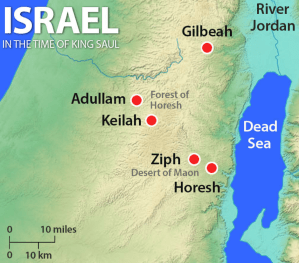



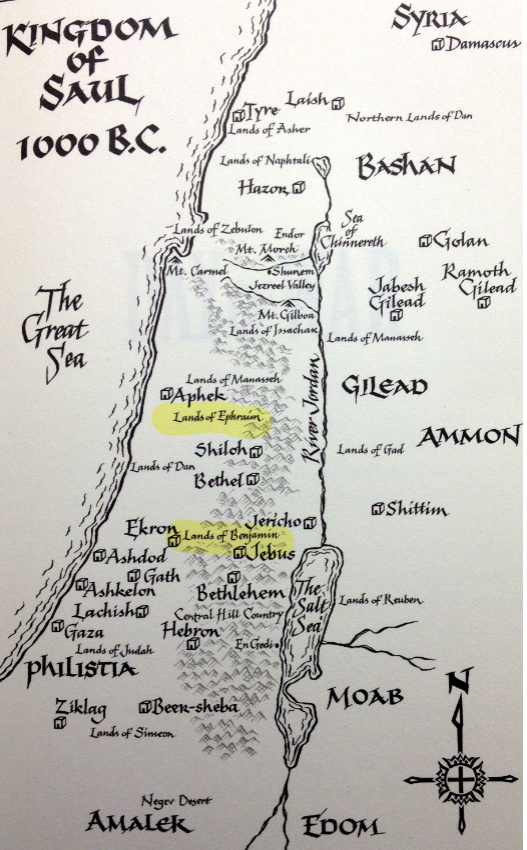
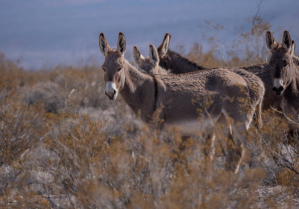
 Considering the Bible