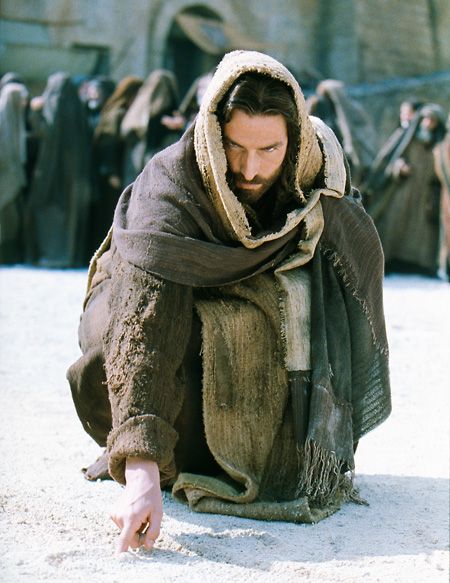

My hope is that this series will offer my readers a chance to consider the names, characteristics and descriptions of our God in the Word.
The remaining Names of God in this series might be considered descriptors, or characteristics of the Lord. We have reviewed the three primary Names of God, along with nineteen compound Names of God in our previous posts. As we venture through these descriptors of our God, I hope we will recognize all the many characteristics of our God that we tend to take for granted.
The Word is truly rich with descriptions of the Living God, and this effort of searching in the Word was quite illuminating. He truly is the ultimate subject of the Word, and His revelation of self-descriptions, or the accolades offered Him by His priests, prophets, kings apostles and faithful truly is a blessing.
May the Name of the Lord be praised, and by thinking on His name, may you have a blessed day.
| 191 |
| GOD OF HOPE |
| Romans 15:13 May the God of hope fill you with all joy and peace in believing, so that by the power of the Holy Spirit you may abound in hope. |
| Hope is mentioned twice in this verse. Once in referring to God as the God of Hope and then of the experience of abounding in hope. Surely the connection is obvious. But wait. Hope doesn’t come directly from God, at least according to Paul in this verse. Paul does not write to the believers in this verse… May the God of hope provide abounding hope to you believers. A little background may be helpful, at least for me to develop what I think is going on here. The church at Rome was a multicultural church, a church of Gentiles and Jews, and though the book of Romans is one of the richest theological letters ever written, the purpose seems to include addressing the division between these two groups. A high level review of the last half of the book for my reader. in chapters 9-11, Paul discusses the Jewish question, entering chapter 12 with an appeal to self sacrifice in the Christian life (12:1-2) speaks of humility (12:3) then unity in the body (12:4-5), opportunities to serve others in the church (12:6-8), and then continues with various exhortations on how to live with others, in the church and outside of the church. Standard fare is it not? But let us see if there is a continuing thread of thought. Although he provides a portion of chapter 13 on the believers responsibility to worldly government, he just can’t help but return the the believers obligation to love others (13:8-10), and the calling to walk in the light (13:11-14) Chapter 14 continues the thought of walking in the light under the topic of receiving a weaker brother. This chapter speaks of dietary laws, and the foolishness of judging our brother. A whole chapter on the topic of relating to a brother of different opinions. A whole chapter my friends! This letter was written to confront a division that seemed to be growing within the church at Rome, a division between the Jewish and the Gentile believer. Chapter 15 begins with the call to care for those who are weak, and that we are not to please ourselves. We are to edify our brother, which is just a classy term for saying we are to build up our brother in the faith. Now why would Paul feel it is important to spend so much time on relationships between believers, between believers of different opinions, if it were not for the fact that things were getting stressed in the church. Things in the church might have been unravelling! Enter verse 13, and the God of hope. As mentioned earlier, I don’t see Paul offering these believers an abundance of hope merely because God is the God of hope. There is a process, a “system” if you will. Paul’s looks to the God of hope to fill them with joy and peace in believing. What two elements are sorely absent in a church that is split? A church that is in tension, a church that has “groups”, a church that contains friction, judgement and attitudes of superiority surely does not enjoy joy and peace. A long time ago, in a world far away (yes I am referring to Canada), a brother once coined the phrase “the divine human cooperative”, and it shocked me. He explained that through obedience to (or believing in) the commands and will of God, God can perform great things in and by the believer. If the believer decides not to cooperate, so be it. For many of my readers, this is not a radical idea, for it permeates the Word, but for a young believer with even more wrong ideas about God than he currently has, it was eye opening! For hope to abound in these believers, peace and joy had to be evident in these believers lives. They were to be filled with joy and peace, through the obedience to love, not judge. Love that is realized by receiving the brother that is of a different opinion. Love that determines not to please ourselves but to build up our brother and sister, instead of tearing them down. Given the expectations of Paul, and the opportunity of the believers to come together, joy and peace was a very real potential experience for these believers. If the potential was realized, if each believer loved their brother and sister, and by doing so experienced the joy and peace of God in their congregation and personal lives, hope would grow. Expectation would increase. An anticipation of God working in others would increase, and the atmosphere would be permeated with a positive confidence of God’s presence with them. These brothers and sisters would eventually abound in hope, having given the Holy Spirit the freedom to provide hope. Church division, or in other words, holding onto a personal offense is such a killer of joy, peace and hope. If you have a brother or sister that you would not give something up so they may be built up, consider your ways. The seeds of division comes in many colors and shapes. We are called to a higher calling, a calling of forgiveness and love towards others and not of judgement, of an attitude of tearing down or of a life of pride. Consider. Jesus is the God of Hope, and His mighty prayer of unity is certainly worth remembering as we walk our day out today. |
I would love to hear of your favorite name, characteristic or description of the Living God. Please leave me a comment, and I will include it in the list!
Thanks again for coming to visit. I hope you found something of interest in this post and would appreciate a comment, to begin a discussion. If you know someone this blog may bless (or challenge), send them a link, so they may join us in our discussion.


Come join us at Considering the Bible


 Considering the Bible