My hope is that this series will offer my readers a chance to consider the names, characteristics and descriptions of our God in the Word.
The remaining Names of God in this series might be considered descriptors, or characteristics of the Lord. We have reviewed the three primary Names of God, along with nineteen compound Names of God in our previous posts. As we venture through these descriptors of our God, I hope we will recognize all the many characteristics of our God that we tend to take for granted.
The Word is truly rich with descriptions of the Living God, and this effort of searching in the Word was quite illuminating. He truly is the ultimate subject of the Word, and His revelation of self-descriptions, or the accolades offered Him by His priests, prophets, kings apostles and faithful truly is a blessing.
May the Name of the Lord be praised, and by thinking on His name, may you have a blessed day.
83
CLUSTER OF HENNA BLOSSOMS
Song of Songs 1:14 My beloved is to me a cluster of henna blossoms in the vineyards of Engedi.
In the Song of Songs, Solomon writes of the passion between a farm girl and the mighty King of Israel. Often the love between the two is described in words of beauty and grace, speaking of their unrelenting desire for each other.
In this verse, the farm girl is describing her love as a “cluster of henna blossoms”. At first glance, I thought this may describe a beautiful flower, a flower that provided a scent that was irresistible, a flower that was favored above all other flowers.
All of that may be true, but when I did a bit of research I found the Hebrew word translated as henna blossoms is כֹּפֶרkôpher, ko’-fer, and is primarily describing a cover, and by extension describes a redemption price, a ransom, even a sum of money.
Early in the Old Testament, this term was used to describe the pitch that covered the ark.
Genesis 6:14 Make yourself an ark of gopher wood. Make rooms in the ark, and cover it inside and out with pitch.
In our verse today, the farm girl refers to the King as her redemption, the ransom she needs for her life, her protection from danger and as a covering to keep her safe.
So much more than simply a favored flower, but the very protection only the King could provide her, for she speaks of the Kings redemption as for her, that is .. to me He is a cluster of henna blossoms.
This is her estimation of her lover. All the world might think something else of the King, but she knew He was her hope and life.
She represents the ones who have trusted the Messiah for their hope and life. May we constantly be of the same desire as this lowly farm girl.
I would love to hear of your favorite name, characteristic or description of the Living God. Please leave me a comment, and I will include it in the list!
Thanks again for coming to visit. I hope you found something of interest in this post and would appreciate a comment, to begin a discussion. If you know someone this blog may bless (or challenge), send them a link, so they may join us in our discussion.
As many who have followed me for a bit, I have fallen into the Psalms, and I can’t get up! (As if I would want to.) The Psalms are a majestic collection of poetry, of heart felt human experiences that constantly challenge me in my own frail attempt to follow the true King. As many of the Psalms are written by David, my study on the Psalms has spurred me on to looking at the life of David, is the main contributor to this book, and to follow the victories and tragedies of the shepherd King of Israel.
Many times in the narrative, we will see the Lord Jesus, imperfectly, yet a reflection of His spirit in a man with weaknesses.
1 Samuel 18:20-29
20 Now Saul’s daughter Michal loved David. And they told Saul, and the thing pleased him. 21 Saul thought, “Let me give her to him, that she may be a snare for him and that the hand of the Philistines may be against him.” Therefore Saul said to David a second time, “You shall now be my son-in-law.” 22 And Saul commanded his servants, “Speak to David in private and say, ‘Behold, the king has delight in you, and all his servants love you. Now then become the king’s son-in-law.” 23 And Saul’s servants spoke those words in the ears of David. And David said, “Does it seem to you a little thing to become the king’s son-in-law, since I am a poor man and have no reputation?” 24 And the servants of Saul told him, “Thus and so did David speak.” 25 Then Saul said, “Thus shall you say to David, ‘The king desires no bride-price except a hundred foreskins of the Philistines, that he may be avenged of the king’s enemies.’” Now Saul thought to make David fall by the hand of the Philistines. 26 And when his servants told David these words, it pleased David well to be the king’s son-in-law. Before the time had expired, 27 David arose and went, along with his men, and killed two hundred of the Philistines. And David brought their foreskins, which were given in full number to the king, that he might become the king’s son-in-law. And Saul gave him his daughter Michal for a wife. 28 But when Saul saw and knew that the LORD was with David, and that Michal, Saul’s daughter, loved him, 29 Saul was even more afraid of David. So Saul was David’s enemy continually.
Ok, so last we met, we saw King Saul invite David into his royal family via marriage to his elder daughter. Of course, David was to be granted this priviledge due to his taking on Goliath and defeating him, but Saul forgot about the gift’s he promised and negotiated another agreement with David for the hand of Merab, his elder daughter.
But lo and behold, on (or very near) the day of the wedding, Good ol’ King Saul took this benefit away from David, bringing shame upon his name and confusion to his heart. How could David understand what was going on? The king was surely mad, and by that I mean both mad (angry) and mad (insane).
With our passage this morning, we are going to experience a bit of deja vu, in that Saul and his henchmen take advantage of his daughters feelings to put David in the path of certain death.
Saul’s daughter Michal was in love with David, and with every bit of news that crosses the kings desk, Saul seeks the good of his daughter. No that is incorrect!! He seeks how he may take advantage of a situation for his own advancement, and this time is no different.
Let’s offer David another opportunity to join the royal family, and in the offer, provide a situation that may eliminate Saul’s greatest threat. The previous offer, for Merab, was to fight the Lord’s battles for Saul. Saul wanted to have control, provide direction to David, get in the mix, interfere and potentially direct David into dangerous situations, raising the likelihood of death in battle.
What is truly amazing is that David retains his humility through this emotional roller coaster ride, again referring to himself as not worthy of entering the royal family. He considered himself a “poor man” having “no reputation”.
What was David thinking when the king’s servants spoke of Saul’s love for David, and of all his servants loving him? The king had just recently thrown two spears at David, and shamed him in front of the nation by reneging on the marriage to Merab?
Whatever David thought, the offer was provided to him. The price of Micah’s hand for marriage? One hundred foreskins of the Philistines.
This was an attainable, specific, measurable goal for David, so he set out to complete his side of the bargain and “force” king Saul’s hand in providing Micah as his bride. And to make a point, good old David, when asked to walk a mile, walked two miles. He brought back two hundred foreskins, which meant two hundred Philistines had met their maker.
Saul got what he said he wanted, yet his frustration level must have been boiling over. Of course the Phillistines weren’t the problem! The Philistines were the solution, but they did not come to Saul’s request, and in loosing two hundred soldiers, only elevated David in stature, causing Saul greater fear of his dominance.
And now, he had two of his children committed to the enemy. It was bad enough for Saul when Jonathon had shown allegiance to David, but now it appeared that his daughter was also seeing the benefit of being associated with a believer in the Lord, a man who was led of the Spirit, and of a humble heart.
So it is with the kingdom, for as we exercise a humbleness, and desire to love our enemies, even after two spear throws, and a show of disgrace, the kingdom will expand, one by one.
Or the enemy will only slip into greater darkness, with more bile rising in his throat, and a commitment to fighting the believer! So it was with Saul, and he continually set himself as David’s enemy, even as his father-in-law.
Truly, this passage speaks of the division of family due to deeper allegiances that are offered, deeper even that blood. Micah made the wise choice, as did her brother Jonathon. They followed David.
Centuries later, Jesus, the Greater David, described this realignment of family in the following words.
Matthew 12:48-50
But he replied to the man who told him, “Who is my mother, and who are my brothers?” And stretching out his hand toward his disciples, he said, “Here are my mother and my brothers! For whoever does the will of my Father in heaven is my brother and sister and mother.”
Who is your sister? Who is your brother? It all depends on who your Father is!
Thanks again for coming to visit. I hope you found something of interest in this post and would appreciate a comment, to begin a discussion. If you know someone this blog may bless (or challenge), send them a link, so they may join us in our discussion.
My hope is that this series will offer my readers a chance to consider the names, characteristics and descriptions of our God in the Word.
The remaining Names of God in this series might be considered descriptors, or characteristics of the Lord. We have reviewed the three primary Names of God, along with nineteen compound Names of God in our previous posts. As we venture through these descriptors of our God, I hope we will recognize all the many characteristics of our God that we tend to take for granted.
The Word is truly rich with descriptions of the Living God, and this effort of searching in the Word was quite illuminating. He truly is the ultimate subject of the Word, and His revelation of self-descriptions, or the accolades offered Him by His priests, prophets, kings apostles and faithful truly is a blessing.
May the Name of the Lord be praised, and by thinking on His name, may you have a blessed day.
82
CLOUD OF THE LORD
Exodus 40:38 For the cloud of the LORD was on the tabernacle by day, and fire was in it by night, in the sight of all the house of Israel throughout all their journeys.
What blessings can we find in our current name we are looking at today? What truths may we take from this verse that will elevate and honor the name of the Lord?
This verse associates a cloud with the Lord, which was very common in the Old Testament, not only during the exodus and wanderings, but also during the days of Solomon’s temple.
For our verse today, we read that during the day, the cloud of the Lord was on the tabernacle. In many depictions, the cloud appears to be a large, expanding pillar of smoke over the tabernacle, specifically over the holy of holies. Similarly, the fire is depicted as being in the same general configuration.
This may be true but I would like to offer my reader an alternative depiction of the cloud. You see, this particular text says the cloud of the Lord was on the tabernacle, and the fire was in the tabernacle at night.
In my imagination, which sometimes runs amok, I imagine the cloud was actually enveloping the tabernacle, actually covering the tabernacle. One of the effects of this situation may be the hiding of the tabernacle from view.
Why might I suggest that? Often in the Word, clouds are used to veil something. A passage depicting that action may be found in Exodus 24:15-16
Then Moses went up on the mountain, and the cloud covered the mountain.
The glory of the LORD dwelt on Mount Sinai, and the cloud covered it six days. And on the seventh day he called to Moses out of the midst of the cloud.
Later, when the tabernacle had been constructed, we find that a few verses prior to our verse, the cloud covered the tent of meeting, and that Moses was not able to enter the tent of meeting.
Exodus 40:34-35
Then the cloud covered the tent of meeting, and the glory of the LORD filled the tabernacle. And Moses was not able to enter the tent of meeting because the cloud settled on it, and the glory of the LORD filled the tabernacle.
Yes, there are descriptions of the cloud being a pillar when the Israelites are being led to a destination, but when the camp had settled in an area, it seems the cloud took on a different “form”, that the cloud covered the tabernacle.
This understanding brings a different perspective for myself, for instead of the cloud simply designating the location of the presence of God, the cloud may actually be revealing the holiness and righteousness of God.
Let me explain.
In Psalm 97, the psalmist speaks of a cloud and thick darkness in the context of how unapproachable God is.
Psalm 97:2 Clouds and thick darkness are all around him; righteousness and justice are the foundation of his throne.
Later in the Psalms, the psalmist speaks of a cloud covering the tabernacle, and fire providing light in the night.
Psalm 105:39 He spread a cloud for a covering, and fire to give light by night.
This passage recounts our verse above, and provides two subsequent verses where God provided answers to prayer, or should I say demands of the people. The Lord provides for them according to their desires.
Psalm 105:40-41 They asked, and he brought quail, and gave them bread from heaven in abundance. He opened the rock, and water gushed out; it flowed through the desert like a river.
In my understanding, the Cloud of the Lord speaks of His righteousness, His holiness and His justice, even in the midst of His very presence with His people. In the presence of a people who would not conform to His will, and yet He stayed with them, caring and exhibiting His gracious love and mercy to them.
We truly do not deserve our merciful God, and we would do well to remember His “otherness”, how He is not like us, but so much more.
As Paul stated in one of His letters to Timothy, God
…alone has immortality, who dwells in unapproachable light, whom no one has ever seen or can see. To him be honor and eternal dominion. Amen.
I would love to hear of your favorite name, characteristic or description of the Living God. Please leave me a comment, and I will include it in the list!
Thanks again for coming to visit. I hope you found something of interest in this post and would appreciate a comment, to begin a discussion. If you know someone this blog may bless (or challenge), send them a link, so they may join us in our discussion.
My hope is that this series will offer my readers a chance to consider the names, characteristics and descriptions of our God in the Word.
The remaining Names of God in this series might be considered descriptors, or characteristics of the Lord. We have reviewed the three primary Names of God, along with nineteen compound Names of God in our previous posts. As we venture through these descriptors of our God, I hope we will recognize all the many characteristics of our God that we tend to take for granted.
The Word is truly rich with descriptions of the Living God, and this effort of searching in the Word was quite illuminating. He truly is the ultimate subject of the Word, and His revelation of self-descriptions, or the accolades offered Him by His priests, prophets, kings apostles and faithful truly is a blessing.
May the Name of the Lord be praised, and by thinking on His name, may you have a blessed day.
81
CHRIST JESUS OUR LORD
Romans 8:39 nor height nor depth, nor anything else in all creation, will be able to separate us from the love of God in Christ Jesus our Lord.
This is our last description of God, referring primarily to the Christ, His Anointed One, in our list of Names of God. Later on, we shall come across the name “Christ” in additional descriptions of our God, but we will wait until they occur for discussion on them.
For our current consideration, we have “Christ Jesus the Lord”.
This name combines the human name of the Christ, along with the reference of the Lord, designating Jesus as the Master.
We spoke of the use of “Lord” combined with Christ in our last post, and with this post we have the added clarification of who the Christ is.
Jesus, the lowly preacher from Bethlehem, associated with Nazareth, and considered a troublemaker and false prophet, even the illegitimate son of Mary – He it is that is the Christ.
He was not the typical teacher. Many would listen and walk away befuddled, or challenged by the message like they had not been challenged before. Even when describing Him amongst His peers, those who were rabbi’s and teachers of the law, He did not fit into any conventional party line.
As a matter of fact, His teaching often offended those steeped in the laws and teachings of the ancients, and caused many times of heated questions being thrown at Him by his fellow rabbis.
But that is just the point. They were not fellow rabbis, for He was (and is) Christ Jesus, the Anointed One, the One chosen of God to provide grace and truth to those most in need. They were not His peers, but His students, yet they knew it not, and would not submit to the Christ, since God’s choice was Jesus.
But Jesus was not their choice!
Yet the truth stands and God’s choice, His Anointed is Jesus. The Master. The teacher and instructor for those who will recognize Him.
Christ Jesus the Lord.
I would love to hear of your favorite name, characteristic or description of the Living God. Please leave me a comment, and I will include it in the list!
Thanks again for coming to visit. I hope you found something of interest in this post and would appreciate a comment, to begin a discussion. If you know someone this blog may bless (or challenge), send them a link, so they may join us in our discussion.
As many who have followed me for a bit, I have fallen into the Psalms, and I can’t get up! (As if I would want to.) The Psalms are a majestic collection of poetry, of heart felt human experiences that constantly challenge me in my own frail attempt to follow the true King. As many of the Psalms are written by David, my study on the Psalms has spurred me on to looking at the life of David, is the main contributor to this book, and to follow the victories and tragedies of the shepherd King of Israel.
Many times in the narrative, we will see the Lord Jesus, imperfectly, yet a reflection of His spirit in a man with weaknesses.
1 Samuel 18:17-19 17 Then Saul said to David, “Here is my elder daughter Merab. I will give her to you for a wife. Only be valiant for me and fight the LORD’s battles.” For Saul thought, “Let not my hand be against him, but let the hand of the Philistines be against him.” 18 And David said to Saul, “Who am I, and who are my relatives, my father’s clan in Israel, that I should be son-in-law to the king? 19 But at the time when Merab, Saul’s daughter, should have been given to David, she was given to Adriel the Meholathite for a wife.
Ok Saul, you promised your daughter to any man who would take on the Philistine giant, a chapter back, in verse 25. Riches and tax free status for the family, along with the hand of the kings daugther, actually becoming of the royal family. Haughty rewards for knocking ol Goliath down.
1 Samuel 17
25 And the men of Israel said, “Have you seen this man who has come up? Surely he has come up to defy Israel. And the king will enrich the man who kills him with great riches and will give him his daughter and make his father’s house free in Israel.”
It is a good thing David didn’t depend on the word of the King to motivate him to take Goliath out. This reward of a kings daughter (and the other rewards) obviously had not been granted to David as yet, and as it turns out, this promise from the Israeli King was quickly be forgotten. An unfaithful party always wants to renegotiate!
Now to get the kings daughter – forget the riches and tax free status – David had to perform more tasks, life endangering tasks, tasks that would seemingly accomplish Saul’s not too secret desire for David’s demise. Saul offered his eldest daughter Merab, IF David would fight the LORD’s battles for Saul. Notice that little phrase that Saul inserted into this agreement David was offered.
Only be valiant for me and fight the LORD’s battles.
What is this all about. Of course David was on the team, and had shown himself to be sold out to God in his life, in battles that he would be called upon to fight, and service to his king. Is Saul seeking to hide his intentions, or rather reestablish his authority over David, and by doing so, hoping to control his actions, maybe directing David to more dangerous areas of battle.
Was he seeking to increase his influence over David, through obligations that this marriage would create? Was Merab in love with David or a tool for Saul? We may never know!
What a dastardly fiend this Saul is turning out to be! Let’s be clear. This is not Saul coming good on a promise he gave David earlier. This is an alternative offer for him, that brought with the hand of the king’s daughter, added responsibilities to the king. A new agreement! What a loving family David is offered to join!
Notice David’s attitude, in that he exhibited a humble spirit in the face of his enemy, in the face of a man who had reneged on an earlier promise! Who am I, and what is my life or my father’s family in Israel…?
David was in a great place in this circumstance, having not been self elevated by the honors he had been granted. He was a humble servant.
In David’s humility, it appears the agreement for marriage was completed, and the plans for David and Merab’s wedding were progressing quite nicely. Expectations were established, and the nation most surely have heard the rumors, that a lowly shepherd boy, turning into a valiant warrior, was now entering into betrothal with the kings daughter, and soon to be a part of the royal family!
If it wasn’t for a settled humility that David lived in, this may have become a most heady time in his life.
Up until the wedding day that is. I can imagine Saul playing this game up until the very day of the wedding, keeping David in an elevated place of distinction before the entire nation.
Comes the wedding day, and Merab is no where to be found. Or is it that David is restricted from the wedding? And who is this Adriel the Meholathite? Where did he come from? His name will show up later in the story of David, but we shall be patient until then for any further information on this fellow.
Saul had successfully pulled the rug out from under David, and the shame that cascaded down on David must have been excruciating. How could he show his face amongst those who he led and fought with, and how could he explain the circumstances, the actions of this mad man who was king of Israel, and who was to be honored by all.
David was placed in a very difficult position by the king, and yet his commitment to God gave him the strength to keep his focus on higher things.
David’s depth of character shines bright in these passages.
He truly was a man after God’s heart, and provides such a great shadow of the True, Greater David, the One who would take our shame and disappointment!
Let us remember His faithfulness, his commitment, and His surety of promise to us. Let us be thankful the reneging spirit of Saul is not the Spirit of the Lord!
For He is faithful, and He is good.
Thanks again for coming to visit. I hope you found something of interest in this post and would appreciate a comment, to begin a discussion. If you know someone this blog may bless (or challenge), send them a link, so they may join us in our discussion.
Jesus in the Old Testament is a series of posts that will offer my readers a chance to consider pictures or shadows of Jesus in the Old Testament. As mentioned in the introduction to this series, some may be obvious, some may be not so obvious, and some may simply be a facet of the Lord those reading may not have considered previously.
I hope as we venture through this series, we will see the Lord in many wonderful pictures throughout the Old Testament.
SEEING JESUS IN
Absalom
Suspended between heaven and earth
2 Samuel 18:9 And Absalom happened to meet the servants of David. Absalom was riding on his mule, and the mule went under the thick branches of a great oak, and his head caught fast in the oak, and he was suspended between heaven and earth, while the mule that was under him went on.
John 8:28 So Jesus said to them, “When you have lifted up the Son of Man, then you will know that I am he, and that I do nothing on my own authority, but speak just as the Father taught me.
Back in the fourth installment of the Absalom series, we discussed how Absalom was hung on a tree, being a shadow of the Messiah.
This post will focus on the spatial location of the men as they hung on a tree. To be specific, both men hung between heaven and earth. The significance for Absalom hanging between heaven and earth seems to be somewhat strange. Why would the author bring this phrase into the story line? That is an unknown in my mind, other than for the author to show Absalom’s utter helplessness, that he had no where to find support from, or that he belonged neither on earth or in heaven. Pure conjecture on my part regarding Absalom.
Regarding Jesus, the image of Him suspended between heaven and earth is much more obvious to me. The only support He had was the nails through His body, and His determination to complete His mission while on earth. He was (and is) the perfect God man, representing both earth and heaven. He was (and is) the only One who bridged the gap between heaven and earth for us while on He hung on the bloody cross.
He sacrificed Himself for the likes of Absalom and myself. He is so good and He is calling out to you, even today.
Consider Him, hanging between heaven and earth in order for you to know the true God and His Son Jesus Christ.
May His name be praised today.
Thanks again for coming to visit. I hope you found something of interest in this post and would appreciate a comment, to begin a discussion. If you know someone this blog may bless (or challenge), send them a link, so they may join us in our discussion.
My hope is that this series will offer my readers a chance to consider the names, characteristics and descriptions of our God in the Word.
The remaining Names of God in this series might be considered descriptors, or characteristics of the Lord. We have reviewed the three primary Names of God, along with nineteen compound Names of God in our previous posts. As we venture through these descriptors of our God, I hope we will recognize all the many characteristics of our God that we tend to take for granted.
The Word is truly rich with descriptions of the Living God, and this effort of searching in the Word was quite illuminating. He truly is the ultimate subject of the Word, and His revelation of self-descriptions, or the accolades offered Him by His priests, prophets, kings apostles and faithful truly is a blessing.
May the Name of the Lord be praised, and by thinking on His name, may you have a blessed day.
80
CHRIST THE LORD
Luke 2:11 For unto you is born this day in the city of David a Savior, who is Christ the Lord.
Here we have the Christ being defined as the Lord.
At first glance we may assume Luke is combining Christ with the primary name of God as LORD, as in Genesis 2:4, using the Tetragrammatron JHVH.
Not so.
If I had been in Luke’s shoes, I would have emphasized the connection of this young baby with the eternal One, the Creator of heaven and earth, the omniscient One who is all powerful.
But we can be thankful that I was not in Luke’s shoes at the time, writing this passage of truth. I would not have done this passage justice.
No.
Luke brings to our ears the message that Christ is the Master. To say that may seem redundant, for as the Jewish nation was awaiting their Anointed King to arrive, it should have been obvious to all that He would be the Leader, the Master, the One who would be obeyed.
That is the expectation of the masses. The Christ was the One who would be the Master, the One to follow after and to go behind as He conquers those who were oppressing the nation, and that they would eventually become the nation above all other nation. What heady expectations!
Yet Luke provided this description of the lowly baby, for He would turn out to be completely beyond the expectation of the crowd, as He would be the Servant of prostitutes, the Teacher of the tax collector, and the self sacrificial Lamb of God.
To understand the Christ as being a servant, a teacher and a martyr, Luke wisely reiterated the Christ as the Master, for without that description no one would understand, no one would bend the knee to such a “disappointment” of their expectations.
He was a totally different type of Master than expected!
As you have walked with the Anointed One, have you morphed in you understanding of who He is as a Master? Do you understand His way of life, his method of conquering His enemies through service, sacrifice and selfless love?
I would love to hear of your favorite name, characteristic or description of the Living God. Please leave me a comment, and I will include it in the list!
Thanks again for coming to visit. I hope you found something of interest in this post and would appreciate a comment, to begin a discussion. If you know someone this blog may bless (or challenge), send them a link, so they may join us in our discussion.
My hope is that this series will offer my readers a chance to consider the names, characteristics and descriptions of our God in the Word.
The remaining Names of God in this series might be considered descriptors, or characteristics of the Lord. We have reviewed the three primary Names of God, along with nineteen compound Names of God in our previous posts. As we venture through these descriptors of our God, I hope we will recognize all the many characteristics of our God that we tend to take for granted.
The Word is truly rich with descriptions of the Living God, and this effort of searching in the Word was quite illuminating. He truly is the ultimate subject of the Word, and His revelation of self-descriptions, or the accolades offered Him by His priests, prophets, kings apostles and faithful truly is a blessing.
May the Name of the Lord be praised, and by thinking on His name, may you have a blessed day.
79
CHRIST OUR LIFE
Colossians 3:4 When Christ who is your life appears, then you also will appear with him in glory.
Our life does not consist of hours and minutes, for that is simply a period of time that allows us to serve and self maintain.
Our life does not consist of consuming bread, for that only extends our physical life.
Our life does not consist of labor, for that only enables us to buy the bread we consume.
Our life does not consist of the vanity of pride, which we are caught up in and that distracts us from truth.
Our life does not consist of acquisition of things, such as cars, homes and clothing, for that only provides shelter for us as we live on this globe.
Our life, according to Paul, consists of the Anointed One, the Christ.
Our life is actually invisible to us currently, but there shall come a day when we shall see the centrality of Him, that He is our life.
Until then, we walk by faith, and seek to know Him better, in order that He may consume us, weaning us from those things we so often consider to be our lives.
Let us thank Him for all He is to us, that He is our life, and that we may live in Him, content and finding Him sufficient for all our needs and wants.
He is the Christ, our life.
I would love to hear of your favorite name, characteristic or description of the Living God. Please leave me a comment, and I will include it in the list!
Thanks again for coming to visit. I hope you found something of interest in this post and would appreciate a comment, to begin a discussion. If you know someone this blog may bless (or challenge), send them a link, so they may join us in our discussion.
As many who have followed me for a bit, I have fallen into the Psalms, and I can’t get up! (As if I would want to.) The Psalms are a majestic collection of poetry, of heart felt human experiences that constantly challenge me in my own frail attempt to follow the true King. As many of the Psalms are written by David, my study on the Psalms has spurred me on to looking at the life of David, is the main contributor to this book, and to follow the victories and tragedies of the shepherd King of Israel.
Many times in the narrative, we will see the Lord Jesus, imperfectly, yet a reflection of His spirit in a man with weaknesses.
1 Samuel 18:12- 16
12 Saul was afraid of David because the LORD was with him but had departed from Saul. 13 So Saul removed him from his presence and made him a commander of a thousand. And he went out and came in before the people. 14 And David had success in all his undertakings, for the LORD was with him. 15 And when Saul saw that he had great success, he stood in fearful awe of him. 16 But all Israel and Judah loved David, for he went out and came in before them.
Fear. A natural result of departing from the Living God. Yet even in this maelstrom of emotions that Saul was experiencing, some lucidity seemed to come to him occasionally.
Yes the Lord had departed from Saul, and Saul was reminded of this daily as he saw David minister to him in his royal court. Saul had lost the kingdom, lost the Lord, and lost his sanity, and David was obviously becoming the benefactor of this transition of privilege.
So in the midst of envy, possession and fear, Saul made another decision. His failure to kill David must have only amplified his feelings of inadequacy, and this constant reminder when he saw David may have fueled this decision to send him out to war.
Yes, send David out into the wars.
Saul sent David out so he can find some temporary peace. Anything to provide relief from this constant realization that his future was in trouble. And David represented this trouble, a very obvious reminder that his days were numbered.
Yes, send David out into the wars.
Men die in war and David’s “luck” may just run out. How illogical to think that the one whom God has chosen to replace Saul would be in danger of being a victim in battle. This is typical of those who do not consider the reach of the saving hand of God.
Isaiah 59:1 Behold, the LORD’s hand is not shortened, that it cannot save, or his ear dull, that it cannot hear;
If God’s hand is on a man (or woman), that one is indestructible until God has accomplished His will through and in them.
David would experience success in all his undertakings, which only fueled Saul’s fear of David more. The passage shows the growth of Saul’s fear, in verse 12 to Saul’s fearful awe of David, in verse 15. Fearful awe.
David was simply listening to the Lord, acting with wisdom, performing his duties and doing as required. Twice in our passage, (verse 13, and 16) we find that David “went out and came in before the people”. David was becoming a man of the people, gaining in recognition and stature in the eyes of the nation he served.
But in David’s faithfulness, two very different reactions resulted.
The people of Israel and Judah loved him.
King Saul only saw David as a greater threat, and became more fearful. It seems that Saul’s short term solution to his problem only added to his long term problem of David’s ascension in the nation.
So what could Saul do? What could he do to control David, to gain power and influence over David?
What could he do? Killing him didn’t work. Having Israel’s enemies kill him didn’t work.
In our next installment, King Saul finds another way of controlling David.
See you then.
Thanks again for coming to visit. I hope you found something of interest in this post and would appreciate a comment, to begin a discussion. If you know someone this blog may bless (or challenge), send them a link, so they may join us in our discussion.
Jesus in the Old Testament is a series of posts that will offer my readers a chance to consider pictures or shadows of Jesus in the Old Testament. As mentioned in the introduction to this series, some may be obvious, some may be not so obvious, and some may simply be a facet of the Lord those reading may not have considered previously.
I hope as we venture through this series, we will see the Lord in many wonderful pictures throughout the Old Testament.
SEEING JESUS IN
Absalom
Pierced in the side
2 Samuel 18:14 Joab said, “I will not waste time like this with you.” And he took three javelins in his hand and thrust them into the heart of Absalom while he was still alive in the oak.
John 19:34 But one of the soldiers pierced his side with a spear, and at once there came out blood and water. …
Both Absalom and Jesus suffered the piercing of the side to ensure their death.
Both Absalom and Jesus suffered this at the hands of their enemy.
Both men were struck in the heart by a piercing.
It is said that the spear entered Jesus side and pierced the heart, and this can be seen by the blood and water that flowed from His side.
Both men were pierced while helpless to defend themselves. One of them never expected this type of death. One of them fought to undergo this humiliation.
It is truly amazing that we have a Savior that would be so humbled, even to the point of being identified with a man such as Absalom.
Or myself.
Thanks again for coming to visit. I hope you found something of interest in this post and would appreciate a comment, to begin a discussion. If you know someone this blog may bless (or challenge), send them a link, so they may join us in our discussion.
My hope is that this series will offer my readers a chance to consider the names, characteristics and descriptions of our God in the Word.
The remaining Names of God in this series might be considered descriptors, or characteristics of the Lord. We have reviewed the three primary Names of God, along with nineteen compound Names of God in our previous posts. As we venture through these descriptors of our God, I hope we will recognize all the many characteristics of our God that we tend to take for granted.
The Word is truly rich with descriptions of the Living God, and this effort of searching in the Word was quite illuminating. He truly is the ultimate subject of the Word, and His revelation of self-descriptions, or the accolades offered Him by His priests, prophets, kings apostles and faithful truly is a blessing.
May the Name of the Lord be praised, and by thinking on His name, may you have a blessed day.
78
CHRIST OF GOD
Luke 9:20 Then he said to them, “But who do you say that I am?” And Peter answered, “The Christ of God.”
Our name of God this morning is found in the gospel of Luke, and comes as an answer to Jesus direct question to Peter.
Who am I Peter?
This is the question of the ages for everyone to answer. Many confessed willingly, without being challenged, such as the woman at the well in John 4. The woman was clearly taught by the Master that He is the Christ.
John 4:25-26 The woman said to him, “I know that Messiah is coming (he who is called Christ). When he comes, he will tell us all things.” Jesus said to her, “I who speak to you am he.”
With Peter, Jesus had spent a couple years with the Master and had seen or been a participant in all of the Master’s miracles so far. Not only that, he had been the recipient of his wife’s mothers healing and an amazing amazing catch of fish.
Who am I Peter?
The conversation started out as a simple request from the disciples about the rumor mill amongst the crowds on who Jesus was. Of course as we read the verses prior to Peter’s confession, Jesus was praying alone, and the Lord simply stopped in His prayers, asked a general question about the crowds, and then focused in on Peter.
Who am I Peter?
The Christ of God.
The Anointed of God.
Note the definite article “the”. He is not a Christ of God, one of many. He is the Christ of God, the One anointed by God to fulfill all the promised of God throughout the Old Testament, that would be the deliverer, the King of Israel, and the King of Kings.
Immediately after this confession, Jesus forbid them from speaking of it, and began to tell them of his future sacrifice. How utterly unexpected! I tell you we often do not consider the astounding multiple shocks these disciples underwent to follow after Him. Speaking of death when He should be speaking of reigning. Speaking of silence when they should be shouting from the rooftops.
But He was the Christ, the Anointed One, and His directions were to be followed. Thankfully, the apostles, confused as they were, continued to follow.
And Peter was the one who confessed, after the Christ of God had finished prayer.
I wonder who Jesus was praying for?
I would love to hear of your favorite name, characteristic or description of the Living God. Please leave me a comment, and I will include it in the list!
Thanks again for coming to visit. I hope you found something of interest in this post and would appreciate a comment, to begin a discussion. If you know someone this blog may bless (or challenge), send them a link, so they may join us in our discussion.
My hope is that this series will offer my readers a chance to consider the names, characteristics and descriptions of our God in the Word.
The remaining Names of God in this series might be considered descriptors, or characteristics of the Lord. We have reviewed the three primary Names of God, along with nineteen compound Names of God in our previous posts. As we venture through these descriptors of our God, I hope we will recognize all the many characteristics of our God that we tend to take for granted.
The Word is truly rich with descriptions of the Living God, and this effort of searching in the Word was quite illuminating. He truly is the ultimate subject of the Word, and His revelation of self-descriptions, or the accolades offered Him by His priests, prophets, kings apostles and faithful truly is a blessing.
May the Name of the Lord be praised, and by thinking on His name, may you have a blessed day.
77
CHRIST JESUS
Romans 3:24 and are justified by his grace as a gift, through the redemption that is in Christ Jesus,
When my list of the names of God revealed todays topic, that is the name “Christ Jesus”, I want to be honest with you – I was intimidated with addressing the Master’s name in a proper, accurate respectful and loving manner.
Not that His majesty would be affected by my failure in properly describing Him, for His being cannot truly be tarnished by a lowly believer trying to do his best for Him.
After all, He is the One who can take a cripple and make him walk, or find a mute deaf man and provide communication skills to him. He is the One who is always showing grace, exhibiting His mercy, providing patience and longsuffering to His disciples, bringing them from glory to glory.
He is the Anointed One (Christ), the Savior (Jesus).
I would love to hear of your favorite name, characteristic or description of the Living God. Please leave me a comment, and I will include it in the list!
Thanks again for coming to visit. I hope you found something of interest in this post and would appreciate a comment, to begin a discussion. If you know someone this blog may bless (or challenge), send them a link, so they may join us in our discussion.
As many who have followed me for a bit, I have fallen into the Psalms, and I can’t get up! (As if I would want to.) The Psalms are a majestic collection of poetry, of heart felt human experiences that constantly challenge me in my own frail attempt to follow the true King. As many of the Psalms are written by David, my study on the Psalms has spurred me on to looking at the life of David, is the main contributor to this book, and to follow the victories and tragedies of the shepherd King of Israel.
Many times in the narrative, we will see the Lord Jesus, imperfectly, yet a reflection of His spirit in a man with weaknesses.
1 Samuel 18:10-11
10 The next day a harmful spirit from God rushed upon Saul, and he raved within his house while David was playing the lyre, as he did day by day. Saul had his spear in his hand. 11 And Saul hurled the spear, for he thought, “I will pin David to the wall.” But David evaded him twice.
Envy had gripped King Saul by the throat and was beginning it’s death choke. The king couldn’t get beyond the woman’s celebration of his and David’s victory. To attribute more victories over the Philistines to David than to the great King Saul infuriated him, and put David squarely in his sights.
Did David intend to become a target of the King? Absolutely not. Did the women know they were placing David in harms way? No. Yet this envy of Saul would lead him down a very dark path, to the point of attempting to kill his greatest asset multiple times.
Saul’s envy opened the door for another influence that would amplify the illogical thinking the envy had begun. Saul was on a path that began a rapid descent into madness, and in the mysterious plan of God, God sent a harmful spirit to Saul to torment him. Saul knew this spirit, for God had sent it to Saul previously, to torment him due to his bad decisions, and evil actions.
Consider the following verses, and note that the harmful spirit was always from the Lord.
1 Samuel 16:14 Now the Spirit of the LORD departed from Saul, and a harmful spirit from the LORD tormented him. 1 Samuel 16:15 And Saul’s servants said to him, “Behold now, a harmful spirit from God is tormenting you. 1 Samuel 16:16 Let our lord now command your servants who are before you to seek out a man who is skillful in playing the lyre, and when the harmful spirit from God is upon you, he will play it, and you will be well.” 1 Samuel 16:23 And whenever the harmful spirit from God was upon Saul, David took the lyre and played it with his hand. So Saul was refreshed and was well, and the harmful spirit departed from him. 1 Samuel 18:10 The next day a harmful spirit from God rushed upon Saul, and he raved within his house while David was playing the lyre, as he did day by day. Saul had his spear in his hand. 1 Samuel 19:9 Then a harmful spirit from the LORD came upon Saul, as he sat in his house with his spear in his hand. And David was playing the lyre.
Saul was experiencing torment from this harmful spirit for days in this passage, raving about the house like a madman. As was David’s lot in life at this time, he was to calm the king, especially during these times of possession, but David’s faithfulness simply gave Saul the opportunity to nail David to the wall.
And Saul took this opportunity.
TWICE!
The text says that David evaded Saul’s spear twice. What is with this young shepherd? Saul exposes his intentions and yet David returns to minister to his King. Was it not David’s responsibility to minister to the King, especially in these times of madness? David returned because it was his responsibility. He was faithful, even though Saul made multiple attempts of killing him, to fulfill his ministry to the king, despite the king’s envious eye being directed to him.
Jesus also continued to minister to those who hated Him and sought His destruction. He asked the Father to forgive His murderers, even while hanging on that wretched cross, and He continues to do so even today. He is constantly reaching out to those who, without cause, despise Him.
He is a faithful Savior. Don’t be a madman and reject His ministry to you. He will provide a peace that is beyond understanding once you come to submit to His reign in your life.
He is King and Lord.
Thanks again for coming to visit. I hope you found something of interest in this post and would appreciate a comment, to begin a discussion. If you know someone this blog may bless (or challenge), send them a link, so they may join us in our discussion.
Jesus in the Old Testament is a series of posts that will offer my readers a chance to consider pictures or shadows of Jesus in the Old Testament. As mentioned in the introduction to this series, some may be obvious, some may be not so obvious, and some may simply be a facet of the Lord those reading may not have considered previously.
I hope as we venture through this series, we will see the Lord in many wonderful pictures throughout the Old Testament.
SEEING JESUS IN
Absalom
No Blemish
2 Samuel 14:25 Now in all Israel there was no one so much to be praised for his handsome appearance as Absalom. From the sole of his foot to the crown of his head there was no blemish in him.
1 Peter 1:19 but with the precious blood of Christ, like that of a lamb without blemish or spot.
No blemish.
This likeness is typical of the way Jesus’ character is sometimes reflected in the Old Testament, by describing what a man may physically see. Absalom was without blemish. Stunning in stature, a handsome hulk, a real attractive he-man!
The word “blemish” in the Old Testament can speak of a spot or defect, either in the physical or the moral. This reference to Absalom is surely speaking of him as having no physical blemish in him since the verse speaks of no blemish from the sole of his foot to the crown of his head. The passage speaks of his handsomeness, and to his entire body being without blemish. The author was making a point! He was a looker!
Now, we all know of those amongst us that have that physical quality that draws your eyes to them, that is not only the most handsome man in the room but also has the personality and charisma that draws people to them. Based on appearance and personality. What they look and sound like.
Not so with the Lord. He is described elsewhere in the Word as ordinary, without the appearance of majesty, without beauty and nothing of outward appearance that would draw us to Him.
Isaiah 53:2
For he grew up before him like a young plant, and like a root out of dry ground; he had no form or majesty that we should look at him, and no beauty that we should desire him.
Two men without blemish. Two men without defect or spot. We understand Absalom was described this way in the physical, and yet we know he had a very large and dark blemish in his character. Nothing spiritually stands out about this man, other than he is not godly, not spiritually appealing, not without spiritual blemish.
But consider Jesus, who is without blemish in His character, without blemish in His relationship with God the Father, without blemish before man, though they seek to find fault! This is simply a reflection of their own darkness, for darkened hearts seek to reject the light.
Yet His unspotted character cannot be denied, and though some try to deny, the Father validated His Son through the physical resurrection.
He is the spotless Son of God, a lamb without blemish, that was sacrificed for our souls! May His name be praised!
Thanks again for coming to visit. I hope you found something of interest in this post and would appreciate a comment, to begin a discussion. If you know someone this blog may bless (or challenge), send them a link, so they may join us in our discussion.
My hope is that this series will offer my readers a chance to consider the names, characteristics and descriptions of our God in the Word.
The remaining Names of God in this series might be considered descriptors, or characteristics of the Lord. We have reviewed the three primary Names of God, along with nineteen compound Names of God in our previous posts. As we venture through these descriptors of our God, I hope we will recognize all the many characteristics of our God that we tend to take for granted.
The Word is truly rich with descriptions of the Living God, and this effort of searching in the Word was quite illuminating. He truly is the ultimate subject of the Word, and His revelation of self-descriptions, or the accolades offered Him by His priests, prophets, kings apostles and faithful truly is a blessing.
May the Name of the Lord be praised, and by thinking on His name, may you have a blessed day.
76
CHOSEN PORTION
Psalm 16:5 The LORD is my chosen portion and my cup; you hold my lot.
In our last post, we considered “Chosen One” as a name for God, and spoke of the contrast between the use of the name. Essentially the name “Chosen One” refers to God’s decision to pick the Messiah, that is was an action between God and the Son.
With our name of God in this post, we have a different dynamic being described. As David mentions the LORD as his “Chosen Portion” He is speaking of his choice to prioritize God over all else. The emphasis is on the elevated relationship the believer decides on between him and the Messiah.
In the Old Testament, the portion often referred to an allotment, or part of the family inheritance. That which each son could look forward to due to his being in the family. As I read David, I sense he is prioritizing the LORD over any family inheritance, or even His Kingly estate. All of David’s priorities lies with the LORD, and his future condition depends not on landmass, or status as the king of Israel, but on the LORD alone.
Truly a fantastic declaration from the king of Israel.
How are your priorities today?
I would love to hear of your favorite name, characteristic or description of the Living God. Please leave me a comment, and I will include it in the list!
Thanks again for coming to visit. I hope you found something of interest in this post and would appreciate a comment, to begin a discussion. If you know someone this blog may bless (or challenge), send them a link, so they may join us in our discussion.
My hope is that this series will offer my readers a chance to consider the names, characteristics and descriptions of our God in the Word.
The remaining Names of God in this series might be considered descriptors, or characteristics of the Lord. We have reviewed the three primary Names of God, along with nineteen compound Names of God in our previous posts. As we venture through these descriptors of our God, I hope we will recognize all the many characteristics of our God that we tend to take for granted.
The Word is truly rich with descriptions of the Living God, and this effort of searching in the Word was quite illuminating. He truly is the ultimate subject of the Word, and His revelation of self-descriptions, or the accolades offered Him by His priests, prophets, kings apostles and faithful truly is a blessing.
May the Name of the Lord be praised, and by thinking on His name, may you have a blessed day.
75
CHOSEN ONE
Luke 23:35 And the people stood by, watching, but the rulers scoffed at him, saying, “He saved others; let him save himself, if he is the Christ of God, his Chosen One!”
It is amazing the amount of truth that came from the rulers mouths during the time of Jesus being on the earth! Yet the truth that came from the rulers mouths, that Jesus was the Chosen One, was filled with contempt and vitriol. The rulers scoffed at Him at His weakest moments, but as the Chosen One He was delivering them from the very hatred they poured forth. For Jesus to be called the Chosen One at this time was not an isolated event. Back in Luke 9:35, as Jesus was transfigured in front of three of His disciples, Jesus was called out as God’s Chosen One.
And a voice came out of the cloud, saying, “This is my Son, my Chosen One; listen to him!”
What a stark contrast for those three disciples who saw the transfiguration, where they witnessed the Lord in His glory, and were told of God’s choice of Him as His King.
Now the disciples were witnessing His utter rejection and humiliation. And to hear the rulers use the same title while He hung on a cruel cross!
He is the Chosen One. We have the witness of the Word, and though the rulers rejected Him, the truth stands.
I would love to hear of your favorite name, characteristic or description of the Living God. Please leave me a comment, and I will include it in the list!
Thanks again for coming to visit. I hope you found something of interest in this post and would appreciate a comment, to begin a discussion. If you know someone this blog may bless (or challenge), send them a link, so they may join us in our discussion.
As many who have followed me for a bit, I have fallen into the Psalms, and I can’t get up! (As if I would want to.) The Psalms are a majestic collection of poetry, of heart felt human experiences that constantly challenge me in my own frail attempt to follow the true King. As many of the Psalms are written by David, my study on the Psalms has spurred me on to looking at the life of David, is the main contributor to this book, and to follow the victories and tragedies of the shepherd King of Israel.
Many times in the narrative, we will see the Lord Jesus, imperfectly, yet a reflection of His spirit in a man with weaknesses.
1 Samuel 18:8-9
8 And Saul was very angry, and this saying displeased him. He said, “They have ascribed to David ten thousands, and to me they have ascribed thousands, and what more can he have but the kingdom?” 9 And Saul eyed David from that day on.
As we ventured in our last post through David’s victory march and Saul’s development of a nasty case of envy, we made note that envy was not a possession thing, it was a character/skill thing. To be envious is to experience, even to feed a resentful awareness of someone else’s superiority.
With that understanding, we can see that Saul could do two things. Admit this envy as the sin it is, or succumb to it. As we know, Saul was not a man of self control, and he will seek to solve his problem through the use of his power as king.
Let’s remember that if Saul was simply jealous, he could take the possession from David that was causing the jealousy. But remember – Saul wasn’t jealous – he was growing envious, which in my opinion is a much bigger foe.
Envy is such a terrible foe. Envy’s victims are twofold, for the obvious victim in this case is David, but the real victim is Saul, for as we will see in future posts, Saul is driven crazy with envy, and never finds satisfaction, never attains his goal of obeying the dictates of this unsatiable envy. David the future king of Israel was entering into a trial based on Saul’s envy, a trial that would bring him to the edge of his grave.
I cannot resist reminding my reader that there was another King that was delivered up to the Romans by the chief priests out of envy.
Mark 15:10 For he perceived that it was out of envy that the chief priests had delivered him up.
With the Lord, we know that the chief priests were successful in quieting the voice of the Lord initially, seemingly satisfying the demands of their envy, only to have the Savior rise from the grave, and forcing a greater decision upon the priests. Repent or destruction. Thankfully many of the sect of the Pharisees converted, yet some would live to see the fruits of their decision on the nation of Israel, and personally suffer their own destruction.
Back to David in our last verse, when the author stated that Saul eyed David from then on, it is fully understood that he has it in for this young shepherd warrior, this young man who has served him, this young man who delivered the nation from it’s greatest threat.
Yes, this envy would cause David much pain. But for Saul, like the chief priests in Jesus day, would cost him mounting frustration, and eventually his life!
Thanks again for coming to visit. I hope you found something of interest in this post and would appreciate a comment, to begin a discussion. If you know someone this blog may bless (or challenge), send them a link, so they may join us in our discussion.
Jesus in the Old Testament is a series of posts that will offer my readers a chance to consider pictures or shadows of Jesus in the Old Testament. As mentioned in the introduction to this series, some may be obvious, some may be not so obvious, and some may simply be a facet of the Lord those reading may not have considered previously.
I hope as we venture through this series, we will see the Lord in many wonderful pictures throughout the Old Testament.
SEEING JESUS IN
Absalom
Hung on a tree
2 Samuel 18:9 And Absalom happened to meet the servants of David. Absalom was riding on his mule, and the mule went under the thick branches of a great oak, and his head caught fast in the oak, and he was suspended between heaven and earth, while the mule that was under him went on.
Acts 5:30 The God of our fathers raised Jesus, whom you killed by hanging him on a tree.
Acts 10:39 And we are witnesses of all that he did both in the country of the Jews and in Jerusalem. They put him to death by hanging him on a tree,
What a humiliating death for the mighty Absalom. After realizing the revolt had failed, Absalom took off through the forest of Ephraim, a heavily wooded forest, on his mule. As he was fleeing, his head caught in the tree, and the mule continued on. He must have experienced at least a concussion, or possibly a broken neck, with his head stuck in some nook of a branch, since it appears he didn’t seek to escape the situation.
Yes he was as good as dead, hanging from the tree. It was just a matter of time before good old Joab came by and thrust him through with 3 javelins. Talk about overkill!
There was a period of time for Absalom to be helpless, without the power to escape and yet realizing what he had sough to do to his own father. What a horrible condition to be in, and to know that it was just a matter of time before one of his father’s soldiers came by to finish him off. Yes – just a matter of time!
We know another who hung between heaven and earth, and the time he spent hanging there must have been horrific. Absalom hung between heaven and earth by a fluke accident, a situation he would most surely have wanted to avoid, to continue his battle against his father.
Jesus fought to get on the tree, for He knew this was His Father’s will. Jesus, in order to please His Father, fought to hang between heaven and earth.
Again, we see a glimmer of Jesus, at least by accident, in Absalom’s story, and yet when we compare the shadow with the reality, there really is no comparison.
Jesus on the tree was the gateway for His resurrection and our salvation. Absalom was simply an evil man who died alone.
May we consider Jesus act of sacrifice this day as we go about our business, as we seek to represent such a loving, giving and caring God.
Thanks again for coming to visit. I hope you found something of interest in this post and would appreciate a comment, to begin a discussion. If you know someone this blog may bless (or challenge), send them a link, so they may join us in our discussion.
My hope is that this series will offer my readers a chance to consider the names, characteristics and descriptions of our God in the Word.
The remaining Names of God in this series might be considered descriptors, or characteristics of the Lord. We have reviewed the three primary Names of God, along with nineteen compound Names of God in our previous posts. As we venture through these descriptors of our God, I hope we will recognize all the many characteristics of our God that we tend to take for granted.
The Word is truly rich with descriptions of the Living God, and this effort of searching in the Word was quite illuminating. He truly is the ultimate subject of the Word, and His revelation of self-descriptions, or the accolades offered Him by His priests, prophets, kings apostles and faithful truly is a blessing.
May the Name of the Lord be praised, and by thinking on His name, may you have a blessed day.
74
CHOSEN OF GOD
1 Peter 2:4 As you come to him, a living stone rejected by men but in the sight of God chosen and precious,
There have been men chosen of God for special callings, such as Moses, or Samson, David or Samuel. Each man chosen of God for a specific purpose. Moses as the lawgiver. David as the King. Samuel as a prophet.
Yes they were all chosen by God.
Jesus was chosen of God as a living stone in this verse, and we shall get to this description of our Savior in due course. But for this post, let us consider the description of our Lord as the chosen of God.
We often here of being chosen as a unilateral act of the chooser (God) on the basis of nothing other than the chooser’s choice. More commonly, when “chosen of God” is spoken of in our theological circles the idea of unconditional election rises to the top of our minds. Calvinism teaches that God’s election, or choice, is based solely on His sovereign will, and it (God’s choice) is not dependent on any merit or worthiness on the part of the individual being chosen.
Can we understand this teaching in relation to the One who was chosen to fulfill the greatest mission ever assigned, and to occupy the highest honor in God’s Kingdom?
Certainly we cannot assume that Jesus was chosen after having entered the human story through His miraculous birth. His choosing was prior to the foundation of the ages, in eternity past, amongst the Godhead. Yet each of the persons of the Godhead is perfection. Pure holiness. Without any defect or deficiency.
One of the Godhead was chosen, prior to creation, to provide salvation to a people who would reject Him.
The concept that Calvinism seeks to provide seems to fit the situation with the Son being chosen. Yet in the midst of this choosing, each of the Godhead realized the tremendous cost it would take from them all.
But He was chosen, sent to bear our sins, break the Father’s heart and provide a Helper that is too often ignored, or frustrated.
May we spend the time we have left on earth honoring our Savior, pleasing our Father and agreeing with the Spirit.
That is our choice. Give us strength O Lord!
I would love to hear of your favorite name, characteristic or description of the Living God. Please leave me a comment, and I will include it in the list!
Thanks again for coming to visit. I hope you found something of interest in this post and would appreciate a comment, to begin a discussion. If you know someone this blog may bless (or challenge), send them a link, so they may join us in our discussion.
My hope is that this series will offer my readers a chance to consider the names, characteristics and descriptions of our God in the Word.
The remaining Names of God in this series might be considered descriptors, or characteristics of the Lord. We have reviewed the three primary Names of God, along with nineteen compound Names of God in our previous posts. As we venture through these descriptors of our God, I hope we will recognize all the many characteristics of our God that we tend to take for granted.
The Word is truly rich with descriptions of the Living God, and this effort of searching in the Word was quite illuminating. He truly is the ultimate subject of the Word, and His revelation of self-descriptions, or the accolades offered Him by His priests, prophets, kings apostles and faithful truly is a blessing.
May the Name of the Lord be praised, and by thinking on His name, may you have a blessed day.
73
CHOSEN CORNERSTONE
1 Peter 2:6-7 For it stands in Scripture: “Behold, I am laying in Zion a stone, a cornerstone chosen and precious, and whoever believes in him will not be put to shame.” So the honor is for you who believe, but for those who do not believe, “The stone that the builders rejected has become the cornerstone,”
Throughout the Word, Jesus is described as the Chosen One, Chosen of God and even a believers Chosen Portion, but for our study this morning, let us consider that Peter refers to the Master as the Chosen Cornerstone.
To be chosen speaks of a decision outside of the intended chosen ones influence. It is to be picked, or to be elected by someone to an office, to a position or to a responsibility. To be chosen also speaks of selection and or an appointment to a situation.
Peter speaks of Jesus as the Chosen Cornerstone. The Cornerstone, upon which all other development, or construction refers to and is based upon. Of course Peter is not referring to the physical buildings we think of when we speak of when we mention “church”. Nothing so crass and insignificant in relation to the truth Peter is getting at. Peter is speaking of the Cornerstone upon which the entire Christian church, of all the ages, and throughout the entire globe is built upon. This Chosen Cornerstone is the lynchpin, the foundation, the Builder and Maker of the church.
Without the cornerstone, there is no building, there is no church, no body, no fellowship, no life, no salvation, no hope, no future.
He is the only reason the church exists in the world today, and as the Chosen Cornerstone, He is to be elevated as the only One to whom we look to.
I would love to hear of your favorite name, characteristic or description of the Living God. Please leave me a comment, and I will include it in the list!
Thanks again for coming to visit. I hope you found something of interest in this post and would appreciate a comment, to begin a discussion. If you know someone this blog may bless (or challenge), send them a link, so they may join us in our discussion.
As many who have followed me for a bit, I have fallen into the Psalms, and I can’t get up! (As if I would want to.) The Psalms are a majestic collection of poetry, of heart felt human experiences that constantly challenge me in my own frail attempt to follow the true King. As many of the Psalms are written by David, my study on the Psalms has spurred me on to looking at the life of David, is the main contributor to this book, and to follow the victories and tragedies of the shepherd King of Israel.
Many times in the narrative, we will see the Lord Jesus, imperfectly, yet a reflection of His spirit in a man with weaknesses.
1 Samuel 18:6-7 6 As they were coming home, when David returned from striking down the Philistine, the women came out of all the cities of Israel, singing and dancing, to meet King Saul, with tambourines, with songs of joy, and with musical instruments. 7 And the women sang to one another as they celebrated, “Saul has struck down his thousands, and David his ten thousands.”
Ok, we have three participants in this short story. We have David, who had struck down the Philistines, King Saul who was “with” David, and the women.
Yes – the women.
They meant well, but it did cause a problem. Were the women trying to cause difficulty for David, trying to “stir the pot”? Absolutely not, if I read this properly. They were rejoicing that Israel was victorious and they knew that young shepherd soldier, who was all the rage in Israel, was the reason Israel was so successful. Yes, the women were simply rejoicing, with seemingly good motives, seeking to receive the victorious back to the land!
Yet, for David, this seemingly awesome reception and acknowledgement by the some of the nations women, set up a situation that would lead to attempts on his life, for there was a wee little man, (though head and shoulders above all his subjects), that could not accept the praise being given to David.
But that may not be entirely accurate.
It might not be that the praise given to David was the problem, but that Saul wasn’t receiving top billing, that King Saul was not the most important man in the parade.
It is not that King Saul was jealous, for that emotion is typically associated with possessions, or of a third party in a relationship. I suppose jealousy may apply here, but I think a more accurate word to describe Saul’s emotional constitution would be envy.
Envy and jealousy are sometimes thought of as synonymous, but I would submit to my reader that envy speaks to a resentful awareness of someone else’s superiority. It isn’t so much a possession thing but a character/skill that allows the nasty emotion to rise to the surface!
David was a skilled warrior. King Saul was one who sent men out to battle. Poor Saul wasn’t quite happy with his lot in life.
And the women, in all their innocent exuberance, brought out the envy residing in Saul, with force. It would become all controlling!
There were times when the Lord was praised by someone in the gospels, and He commanded them to be quiet. I never understood that for many years, thinking that everyone should know, that everyone should hear of all His works. That was until I settled down in my mind and thought of situations like we are looking at in this passage.
Good intentions of truthful witness can have dire circumstances. Of course Jesus was aiming for the cross, but it would be on His time schedule, and not someone else’s.
He was in control of every element of His ministry, the good, the bad and the innocent exuberance! Jesus was in control of His revealing at every moment. Jesus understood the heart of man like no other, and orchestrated His own crucifixion through the reactions of men’s dark hearts.
What an amazing Savior!
Thanks again for coming to visit. I hope you found something of interest in this post and would appreciate a comment, to begin a discussion. If you know someone this blog may bless (or challenge), send them a link, so they may join us in our discussion.
Jesus in the Old Testament is a series of posts that will offer my readers a chance to consider pictures or shadows of Jesus in the Old Testament. As mentioned in the introduction to this series, some may be obvious, some may be not so obvious, and some may simply be a facet of the Lord those reading may not have considered previously.
I hope as we venture through this series, we will see the Lord in many wonderful pictures throughout the Old Testament.
SEEING JESUS IN
Absalom
Son longing to come home
2 Samuel 14:32 32 Absalom answered Joab, “Behold, I sent word to you, ‘Come here, that I may send you to the king, to ask, “Why have I come from Geshur? It would be better for me to be there still.” Now therefore let me go into the presence of the king, and if there is guilt in me, let him put me to death.’”
John 20:17 17 Jesus said to her, “Do not cling to me, for I have not yet ascended to the Father; but go to my brothers and say to them, ‘I am ascending to my Father and your Father, to my God and your God.’”
Absalom had killed his brother Amnon, based on a convenient moral rage that he hid behind to gain advantage (I believe) to ascend to the throne of Israel. Yes Amnon performed a vile act of rape on his sister, and yes he should suffer the consequences of that wicked decision. But the judgement was not to be performed by his brother Absalom. But as we reviewed in our last post in this series, that is exactly what happened.
David’s third son killed David’s first son, heir apparent to the throne. It appears the children were watching when David took Bathsheba! David’s attitude toward women filtered down into Amnon, and began the dissolution of David’s family.
Yet, when in the darkness, as David must surely have been during these difficult days, a ray of hope is usually grasped without too much discernment. Such is the case here, when the self exiled Absalom calls unto Joab to request a return to the City of David, even to be presented before the King.
How audacious of a man this Absalom must be. Yet his very desire, though the evil intent may be cloaked with the appearance of family loyalty, indicates a normal healthy relationship between son and father. It is normal, yes even worth much for the relationship to be maintained.
For Absalom, he stated he would chance death for the opportunity to return to the King’s palace. Surely he must have been hedging his bets, but on the surface this statement is informative.
For our Lord, His desire was without mixed motives, for He left behind an eternal connection with the Father, a continual, deep, interactive and consistent relationship of holiness, love, peace and joy. At no time was there a point of friction, a discussion of differing opinions, a misunderstanding or a loss of connectedness between the Father and the Son.
Even while walking amongst us, the connection with the Father was never broken, never strained, never diminished. That is until that day when spike were driven into His hands and feet, and a sword was shoved into His chest. There was a time when the Father looked away. When Jesus was alone, all alone.
At that time, the desire to go home must have been heart crushing. Although Absalom spoke of this desire, Jesus experienced this longing like no one else.
May we be a thankful people, for a Savior such as He!
Jesus is such a Savior!
Thanks again for coming to visit. I hope you found something of interest in this post and would appreciate a comment, to begin a discussion. If you know someone this blog may bless (or challenge), send them a link, so they may join us in our discussion.
My hope is that this series will offer my readers a chance to consider the names, characteristics and descriptions of our God in the Word.
The remaining Names of God in this series might be considered descriptors, or characteristics of the Lord. We have reviewed the three primary Names of God, along with nineteen compound Names of God in our previous posts. As we venture through these descriptors of our God, I hope we will recognize all the many characteristics of our God that we tend to take for granted.
The Word is truly rich with descriptions of the Living God, and this effort of searching in the Word was quite illuminating. He truly is the ultimate subject of the Word, and His revelation of self-descriptions, or the accolades offered Him by His priests, prophets, kings apostles and faithful truly is a blessing.
May the Name of the Lord be praised, and by thinking on His name, may you have a blessed day.
72
CHILD FROM THE HOLY GHOST
Matthew 1:18 Now the birth of Jesus Christ took place in this way. When his mother Mary had been betrothed to Joseph, before they came together she was found to be with child from the Holy Spirit.
Matthew speaks of our Lord as a child from the Holy Spirit. We do not have much in the bible record of Jesus as a child but Matthew does supply a few tidbits of information.
After providing Jesus genealogy, Matthew cuts to the chase and informs his readers that this One was not merely a King of the line of David, but from the Holy Spirit. Of course this phrase may simply speak of His origin and not His very nature of God.
Joseph, two verses later, was also informed that this baby was from the Holy Spirit, in order to calm Joseph’s fears and suspicions. Matthew further reminds us that all that was occurring with Joseph and Mary was to fulfill what the Lord had spoken in Isaiah, identifying this unborn baby as a boy, and that He will be “God with us”.
Jesus was from the Holy Spirit, and is God with us. From the womb!
There may be some who may think He attained the status of God through His obedience in His ministry to the Father, or that He received His identity by the baptism He underwent. Matthew would argue against any effort to reduce the person of Christ from being God to becoming God, right from the start of his gospel.
We might be wise to do the same, for He is the Child from the Holy Ghost, the very nature of God!
I would love to hear of your favorite name, characteristic or description of the Living God. Please leave me a comment, and I will include it in the list!
Thanks again for coming to visit. I hope you found something of interest in this post and would appreciate a comment, to begin a discussion. If you know someone this blog may bless (or challenge), send them a link, so they may join us in our discussion.
My hope is that this series will offer my readers a chance to consider the names, characteristics and descriptions of our God in the Word.
The remaining Names of God in this series might be considered descriptors, or characteristics of the Lord. We have reviewed the three primary Names of God, along with nineteen compound Names of God in our previous posts. As we venture through these descriptors of our God, I hope we will recognize all the many characteristics of our God that we tend to take for granted.
The Word is truly rich with descriptions of the Living God, and this effort of searching in the Word was quite illuminating. He truly is the ultimate subject of the Word, and His revelation of self-descriptions, or the accolades offered Him by His priests, prophets, kings apostles and faithful truly is a blessing.
May the Name of the Lord be praised, and by thinking on His name, may you have a blessed day.
71
CHIEF SHEPHERD
1 Peter 5:4 And when the chief Shepherd appears, you will receive the unfading crown of glory.
Peter is addressing the elders of the church. For brevities sake, I shall not enter into a discussion on my understanding of leadership in the New Testament church, suffice it to say that it comprises of two types of men. One of these type of men are called elders, and we can safely state that an elder is one of many primary spiritual leaders in the local body.
Peter provides one command for these men.
Shepherd the flock they know. There are defining phrases that describe this command that follows, but this is the principle truth Peter wants to communicate to the elders. Shepherd the flock of God that they know.
How to do this?
Exercise oversight. Watch your flock. I understand this to include some discretion in the watching, for I sense Peter is not looking for an elder to be involved in every member’s decision making process, or to directly and constantly seek to influence each member to their way of thinking.
In this oversight, the desire of the elder is positive. It is not to be a drudgery attending to the members business, but a joy to assist the member as required, to have the patience to stand still for the member to reach out.
In this oversight, money is not to be a motivator. Peter has spoken of the elders willingness previously, and here he speaks of an eagerness.
Now you may think I am describing an elder to be stand offish, out of touch, or without the ability to create and maintain relationships with their flock. Please do not read me that way. Yet the next phrase in Peters description of the proper elder is that they are not to be domineering.
This is the kick in the gut, for how many have been in a body where the “accepted elder” is the one with the most education, the highest paycheck, the most demanding of his people and yet rarely allows those of his flock to see him with his family, with the struggles he experiences. He feels he has to be the perfect one as an example, and yet I would suggest this is an act of pride and domination.
The shepherd is to be one who is visibly in need of God’s grace, humbled by his failures and faithful in allowing his flock to experience his life, warts and all.
A shepherd is to be fully human, dependent upon the Lord, in humility providing a hand to those who feel comfortable to approach him.
I may have been off topic a bit, but this is the one who is the true leader, the one who understands his weakness, allows others to see their weakness and their need for God, and that is approachable, a servant to those who need to see Jesus.
For was it not characteristic of the Chief Shepherd to self humble, to come down, to be a friend of sinners and prostitutes, to be approachable (unless you were a bit too religious!). This is the character of Christ, and per the self humbling, He has become the highest of all, and the Chief Shepherd.
Our Chief Shepherd!
And when Jesus appears, these men of service and humility will gain a crown of glory, due to their not seeking it while on earth.
I would love to hear of your favorite name, characteristic or description of the Living God. Please leave me a comment, and I will include it in the list!
Thanks again for coming to visit. I hope you found something of interest in this post and would appreciate a comment, to begin a discussion. If you know someone this blog may bless (or challenge), send them a link, so they may join us in our discussion.



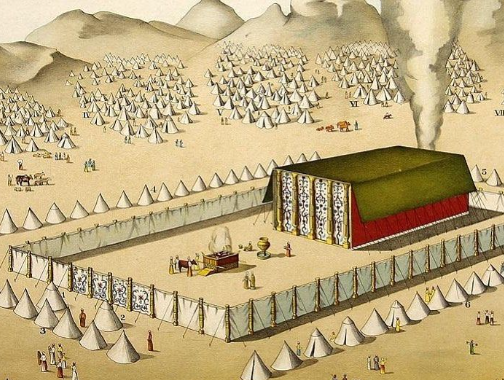
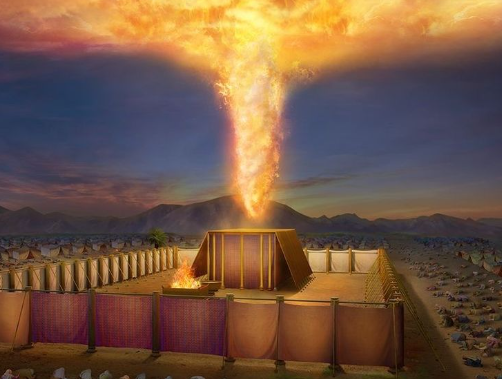

 Considering the Bible