A brother asked me about Matthew 24, you know, about the sun, moon and stars falling from heaven.
The passage goes like this…
Matthew 24:29
“Immediately after the tribulation of those days the sun will be darkened, and the moon will not give its light; the stars will fall from heaven, and the powers of the heavens will be shaken.
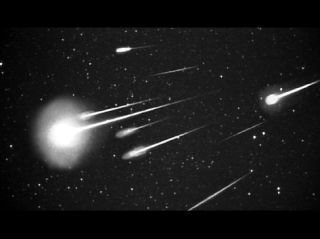 Well, I told him what I thought and he seemed to consider my answer with some suspicion, almost as if I had my head on backwards. Don’t get me wrong – I appreciate the challenge, if only for my own learning and research. So off we go to the Word to consider passages that use the same terminology. Scripture interprets Scripture and we have to remember that the Master came to earth to fill the three offices of Prophet, Priest and King. As the preeminent Prophet, He was anchored in Old Testament thought and speech, communicating to an audience steeped in the Sacred Writings.
With that said, I have done a quick search for the three words “sun”, “moon”, and “stars” in the Old Testament, hoping to find a clue to base my understanding of the Lord’s message.
The full passages, from the Old Testament prophets, are found in the end notes of this post since they are somewhat lengthy, and I want to get to the meat of the matter.
The verses I found are
-
Isaiah 13:10
-
Ezekiel 32:7
-
Joel 2: 10
-
Joel 3:15
As an aside, as a young Christian, I believed that the New Testament was the “be all and end all” of everything I needed to be concerned about. The Old Testament was important, but we have more important information in the New Testament. I think that is like saying the roof of a house is more important than the walls of a house. How can I say that? Without the Old Testament, the New Testament would be completely hollowed out.
Consider
If all the Old Testament quotations and allusions were obliterated from the New Testament, the books would have no coherent message. Some single verses in Matthew 24, for example, refer to THREE Old Testament passages. Three passages crammed into one verse!!!*
Without the Old Testament, the Jewish nation (if you could argue that a Jewish nation would exist?) would have no history, culture or religious life that the Messiah could communicate within. The Old Testament set the context of the Master’s teaching and prophecies.
So with all that said, lets look at each of these passages.
 First off, as a younger believer, (hey – I’m still young Jerry!) when I saw these type of Old Testament verses, I would consider them to all be referring to one event, and that event was the same event that Jesus prophesied of – the end of the world. I really didn’t consider the context of the passages because it just seemed so obvious. Maybe I was wrong. (Hint – Yup, I was wrong!)
Passage #1 Isaiah 13:10
Isaiah 13:10
For the stars of heaven and the constellations thereof shall not give their light: the sun shall be darkened in his going forth, and the moon shall not cause her light to shine.
Lets see if Isaiah is directing this to anyone specific.
Isaiah 13
1 The burden of Babylon, which Isaiah the son of Amoz did see.
Chapter 13 is the beginning of a section in Isaiah directed to the nations. The first nation to be dealt with is the nation of Babylon.
But how is the Lord going to bring about this judgement?
Isaiah 13
4 The noise of a multitude in the mountains, like as of a great people; a tumultuous noise of the kingdoms of nations gathered together: the LORD of hosts mustereth the host of the battle.
The Lord musters the kingdoms of the nations. He even names them for us! Interesting side note that the Lord defines the force He is mustering as multiple nations. This is precisely what occurred when the nations of the Medes and the Persians, joined together to defeat Babylon. (The Medes became the dominant people group within this cooperative effort.)
Isaiah 13
17 Behold, I will stir up the Medes against them, which shall not regard silver; and as for gold, they shall not delight in it.
The Medes and the Persians are the nations that the Lord used to obliterate the Babylonian empire, in one night!
So, in the midst of a passage where the Lord is speaking to a specific nation (Babylon) about other nation(s) (the Medes and Persians), He refers to the sun, moon and stars being darkened.
What gives?
Option 1 – Literal Darkening of the Sun Moon and Stars
During the siege, the smoke would be so heavy that all light would be obliterated from sight. Considering the poetic nature of so much of the Old Testament, this option doesn’t hold much weight in my mind. Especially since the takeover of Babylon was so dramatic and quick. In one night the nation fell and the Babylonian governing authorities were eliminated.
Not much to see here folks – Lets move along!!
Option 2 – Literal Dissolution of the Sun Moon and Stars
Obviously, the sun moon and stars were not darkened permanently or even temporarily. I have never found any record of the sun, moon, and stars being darkened during the siege of Babylon.
The stars did not literally cease to exist. I am thankful for the sun hanging around. I just can’t imagine being cold all the time! I left Canada for the warmth of Texas. I love da sun!
Option 3 – Symbolic Representation of Authorities
Story time!
A long time ago in a world far far away, before the Jewish nation was formed, a young boy had a dream. In this dream he referred to the sun moon and stars.
Genesis 37
9 And he dreamed yet another dream, and told it his brethren, and said, Behold, I have dreamed a dream more; and, behold, the sun and the moon and the eleven stars made obeisance to me.
10 And he told it to his father, and to his brethren: and his father rebuked him, and said unto him, What is this dream that thou hast dreamed? Shall I and thy mother and thy brethren indeed come to bow down ourselves to thee to the earth?
When Israel (Jacob) heard this dream, he was shocked. As head of the family, Jacob was the authority over the entire clan. It was obvious that Joseph was stating that he would be the authority in the future. Jacob bowing to his Son? What arrogance! What pride! What accuracy!!
This dream greatly influenced the Jewish nation and the prophets took this phrase (sun moon and stars) and used it to describe earthly authorities of their time.
If so, and since Jesus was the greatest prophet ever, he may have been leaning on these passages when He spoke of the sun moon and stars being darkened in Matthew 24. (Hint – Isaiah 13 is accepted by most scholars as the passage Jesus was referring to in Matthew 24:29)
With that, I will leave you with the remaining 3 passages. (I’m not gonna do all the work for you!)
Check it out (and consider!) to see if there is consistency in the interpretation I am suggesting.
*An example of three Old Testament verses referred to in one New Testament verse can be found in Matthew 24:15. That verse alludes to Daniel 8:13, Daniel 11:31 and Daniel 12:11.
By the way, this isn’t all that rare in the New Testament! Don’t even get me thinking about Revelation – That is nuts!!!
Full Passages
Isaiah 13
1 The burden of Babylon, which Isaiah the son of Amoz did see.
2 Lift ye up a banner upon the high mountain, exalt the voice unto them, shake the hand, that they may go into the gates of the nobles.
3 I have commanded my sanctified ones, I have also called my mighty ones for mine anger, even them that rejoice in my highness.
4 The noise of a multitude in the mountains, like as of a great people; a tumultuous noise of the kingdoms of nations gathered together: the LORD of hosts mustereth the host of the battle.
5 They come from a far country, from the end of heaven, even the LORD, and the weapons of his indignation, to destroy the whole land.
6 Howl ye; for the day of the LORD is at hand; it shall come as a destruction from the Almighty.
7 Therefore shall all hands be faint, and every man’s heart shall melt:
8 And they shall be afraid: pangs and sorrows shall take hold of them; they shall be in pain as a woman that travaileth: they shall be amazed one at another; their faces shall be as flames.
9 Behold, the day of the LORD cometh, cruel both with wrath and fierce anger, to lay the land desolate: and he shall destroy the sinners thereof out of it.
10 For the stars of heaven and the constellations thereof shall not give their light: the sun shall be darkened in his going forth, and the moon shall not cause her light to shine.
11 And I will punish the world for their evil, and the wicked for their iniquity; and I will cause the arrogancy of the proud to cease, and will lay low the haughtiness of the terrible.
12 I will make a man more precious than fine gold; even a man than the golden wedge of Ophir.
13 Therefore I will shake the heavens, and the earth shall remove out of her place, in the wrath of the LORD of hosts, and in the day of his fierce anger.
14 And it shall be as the chased roe, and as a sheep that no man taketh up: they shall every man turn to his own people, and flee every one into his own land.
15 Every one that is found shall be thrust through; and every one that is joined unto them shall fall by the sword.
16 Their children also shall be dashed to pieces before their eyes; their houses shall be spoiled, and their wives ravished.
17 Behold, I will stir up the Medes against them, which shall not regard silver; and as for gold, they shall not delight in it.
18 Their bows also shall dash the young men to pieces; and they shall have no pity on the fruit of the womb; their eye shall not spare children.
19 And Babylon, the glory of kingdoms, the beauty of the Chaldees’ excellency, shall be as when God overthrew Sodom and Gomorrah.
20 It shall never be inhabited, neither shall it be dwelt in from generation to generation: neither shall the Arabian pitch tent there; neither shall the shepherds make their fold there.
21 But wild beasts of the desert shall lie there; and their houses shall be full of doleful creatures; and owls shall dwell there, and satyrs shall dance there.
22 And the wild beasts of the islands shall cry in their desolate houses, and dragons in their pleasant palaces: and her time is near to come, and her days shall not be prolonged.
Ezekiel 32
1 And it came to pass in the twelfth year, in the twelfth month, in the first day of the month, that the word of the LORD came unto me, saying,
2 Son of man, take up a lamentation for Pharaoh king of Egypt, and say unto him, Thou art like a young lion of the nations, and thou art as a whale in the seas: and thou camest forth with thy rivers, and troubledst the waters with thy feet, and fouledst their rivers.
3 Thus saith the Lord GOD; I will therefore spread out my net over thee with a company of many people; and they shall bring thee up in my net.
4 Then will I leave thee upon the land, I will cast thee forth upon the open field, and will cause all the fowls of the heaven to remain upon thee, and I will fill the beasts of the whole earth with thee.
5 And I will lay thy flesh upon the mountains, and fill the valleys with thy height.
6 I will also water with thy blood the land wherein thou swimmest, even to the mountains; and the rivers shall be full of thee.
7 And when I shall put thee out, I will cover the heaven, and make the stars thereof dark; I will cover the sun with a cloud, and the moon shall not give her light.
8 All the bright lights of heaven will I make dark over thee, and set darkness upon thy land, saith the Lord GOD.
9 I will also vex the hearts of many people, when I shall bring thy destruction among the nations, into the countries which thou hast not known.
10 Yea, I will make many people amazed at thee, and their kings shall be horribly afraid for thee, when I shall brandish my sword before them; and they shall tremble at every moment, every man for his own life, in the day of thy fall.
11 For thus saith the Lord GOD; The sword of the king of Babylon shall come upon thee.
12 By the swords of the mighty will I cause thy multitude to fall, the terrible of the nations, all of them: and they shall spoil the pomp of Egypt, and all the multitude thereof shall be destroyed.
13 I will destroy also all the beasts thereof from beside the great waters; neither shall the foot of man trouble them any more, nor the hoofs of beasts trouble them.
14 Then will I make their waters deep, and cause their rivers to run like oil, saith the Lord GOD.
15 When I shall make the land of Egypt desolate, and the country shall be destitute of that whereof it was full, when I shall smite all them that dwell therein, then shall they know that I am the LORD.
16 This is the lamentation wherewith they shall lament her: the daughters of the nations shall lament her: they shall lament for her, even for Egypt, and for all her multitude, saith the Lord GOD.
Joel 2
1 Blow ye the trumpet in Zion, and sound an alarm in my holy mountain: let all the inhabitants of the land tremble: for the day of the LORD cometh, for it is nigh at hand;
2 A day of darkness and of gloominess, a day of clouds and of thick darkness, as the morning spread upon the mountains: a great people and a strong; there hath not been ever the like, neither shall be any more after it, even to the years of many generations.
3 A fire devoureth before them; and behind them a flame burneth: the land is as the garden of Eden before them, and behind them a desolate wilderness; yea, and nothing shall escape them.
4 The appearance of them is as the appearance of horses; and as horsemen, so shall they run.
5 Like the noise of chariots on the tops of mountains shall they leap, like the noise of a flame of fire that devoureth the stubble, as a strong people set in battle array.
6 Before their face the people shall be much pained: all faces shall gather blackness.
7 They shall run like mighty men; they shall climb the wall like men of war; and they shall march every one on his ways, and they shall not break their ranks:
8 Neither shall one thrust another; they shall walk every one in his path: and when they fall upon the sword, they shall not be wounded.
9 They shall run to and fro in the city; they shall run upon the wall, they shall climb up upon the houses; they shall enter in at the windows like a thief.
10 The earth shall quake before them; the heavens shall tremble: the sun and the moon shall be dark, and the stars shall withdraw their shining:
11 And the LORD shall utter his voice before his army: for his camp is very great: for he is strong that executeth his word: for the day of the LORD is great and very terrible; and who can abide it?
12 Therefore also now, saith the LORD, turn ye even to me with all your heart, and with fasting, and with weeping, and with mourning:
13 And rend your heart, and not your garments, and turn unto the LORD your God: for he is gracious and merciful, slow to anger, and of great kindness, and repenteth him of the evil.
14 Who knoweth if he will return and repent, and leave a blessing behind him; even a meat offering and a drink offering unto the LORD your God?
Joel 3
1 For, behold, in those days, and in that time, when I shall bring again the captivity of Judah and Jerusalem,
2 I will also gather all nations, and will bring them down into the valley of Jehoshaphat, and will plead with them there for my people and for my heritage Israel, whom they have scattered among the nations, and parted my land.
3 And they have cast lots for my people; and have given a boy for an harlot, and sold a girl for wine, that they might drink.
4 Yea, and what have ye to do with me, O Tyre, and Zidon, and all the coasts of Palestine? will ye render me a recompence? and if ye recompense me, swiftly and speedily will I return your recompence upon your own head;
5 Because ye have taken my silver and my gold, and have carried into your temples my goodly pleasant things:
6 The children also of Judah and the children of Jerusalem have ye sold unto the Grecians, that ye might remove them far from their border.
7 Behold, I will raise them out of the place whither ye have sold them, and will return your recompence upon your own head:
8 And I will sell your sons and your daughters into the hand of the children of Judah, and they shall sell them to the Sabeans, to a people far off: for the LORD hath spoken it.
9 Proclaim ye this among the Gentiles; Prepare war, wake up the mighty men, let all the men of war draw near; let them come up:
10 Beat your plowshares into swords, and your pruninghooks into spears: let the weak say, I am strong.
11 Assemble yourselves, and come, all ye heathen, and gather yourselves together round about: thither cause thy mighty ones to come down, O LORD.
12 Let the heathen be wakened, and come up to the valley of Jehoshaphat: for there will I sit to judge all the heathen round about.
13 Put ye in the sickle, for the harvest is ripe: come, get you down; for the press is full, the fats overflow; for their wickedness is great.
14 Multitudes, multitudes in the valley of decision: for the day of the LORD is near in the valley of decision.
15 The sun and the moon shall be darkened, and the stars shall withdraw their shining.
16 The LORD also shall roar out of Zion, and utter his voice from Jerusalem; and the heavens and the earth shall shake: but the LORD will be the hope of his people, and the strength of the children of Israel.
17 So shall ye know that I am the LORD your God dwelling in Zion, my holy mountain: then shall Jerusalem be holy, and there shall no strangers pass through her any more.
18 And it shall come to pass in that day, that the mountains shall drop down new wine, and the hills shall flow with milk, and all the rivers of Judah shall flow with waters, and a fountain shall come forth of the house of the LORD, and shall water the valley of Shittim.
19 Egypt shall be a desolation, and Edom shall be a desolate wilderness, for the violence against the children of Judah, because they have shed innocent blood in their land.
20 But Judah shall dwell for ever, and Jerusalem from generation to generation.
21 For I will cleanse their blood that I have not cleansed: for the LORD dwelleth in Zion.
Follow Considering the Bible on WordPress.com





 As I was reading Exodus this morning I came across the verse above and it stopped me in my reading for a couple of reasons. God will be an enemy?
 Then God will be an enemy to thine enemies, an adversary to thine adversaries. Note that obedience to the voice of the Lord brings the people into the will and desire of the LORD Himself. The “enemy” here does not gain an adversary in God if the people obey Him. God’s enemy does not change unless of course they change into His friends. (The enemy of God is such, not because of God’s desire, but the enemies desire – God wants no enemies) The people simply join God in having the same enemy. Is our motivation in obeying God simply to earn a big brother to beat up an enemy who may have hurt our feelings or made us cry?
 When will God visit his people?
 If you give me money, I will train you to fleece your flock better!!!

 I found this passage on Dying to Self recently and was very challenged by its message.





 In the previous post, we reviewed each Old Testament passage describing the concept of sealing. Now that we will venture into the New Testament to discover how the Lord Himself, and His apostles understood the concept of sealing, I feel it is only correct to compare similar concepts of sealing.
 This first part of the study, we will review all the Old Testament verses that include the hebrew word translated as “sealed” חָתַםchatham (khaw-tham’)
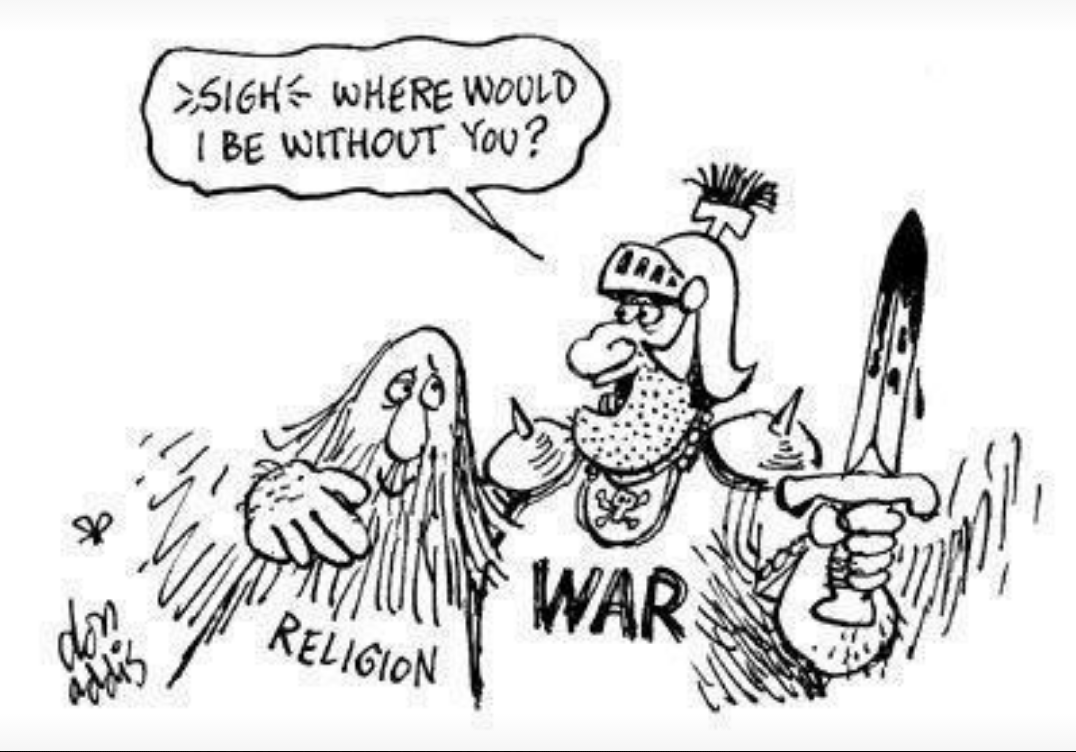 Recently I was discussing with a friend the role of Christians in the armed forces.
 Later that night I learned that one of my favorite niece’s husband was in training to become a federal agent. This seemed too coincidental for me to ignore, and since my niece confesses Jesus as her Lord, I thought I would discuss this issue with her.
 got me thinking about the armed forces and belief in the Savior. He mentioned that he may specialize in becoming a sharp shooter/ sniper. I asked him about how he feels about killing someone for no other reason than ideology or geographical circumstance. He said he was alright with it, but I am not so sure – he is very young! (I am also not sure of his commitment to the Lord Jesus.)



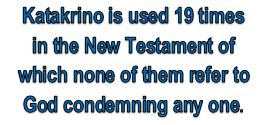 As a matter of fact, it looks like men do a lot of the condemning (ie the men of Ninevah, the Queen of the South, even ourselves (
 When the Master arrived on earth, He twisted everyone’s concept of God.
 Did Jesus go to Hell?
 When Paul mentions that He descended into the lower parts of the earth, is it a safe assumption that he meant hell? I taught that for decades and assumed it was without fault. After all, what else could he mean?
 Based on the passage in Psalm 139:15, the lowest parts of the earth, are referring to the womb. This is an incredible passage in light of Ephesians.
 Accountable to Church Leadership?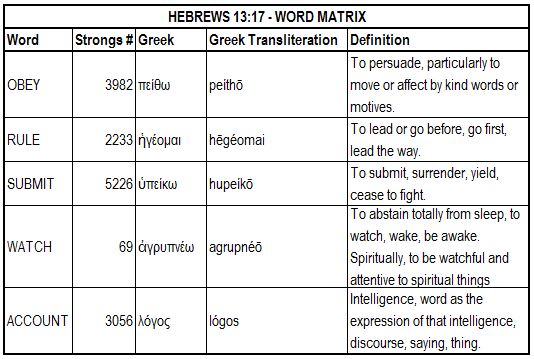
 Considering the Bible