My hope is that this series will offer my readers a chance to consider the names, characteristics and descriptions of our God in the Word.
The remaining Names of God in this series might be considered descriptors, or characteristics of the Lord. We have reviewed the three primary Names of God, along with nineteen compound Names of God in our previous posts. As we venture through these descriptors of our God, I hope we will recognize all the many characteristics of our God that we tend to take for granted.
The Word is truly rich with descriptions of the Living God, and this effort of searching in the Word was quite illuminating. He truly is the ultimate subject of the Word, and His revelation of self-descriptions, or the accolades offered Him by His priests, prophets, kings apostles and faithful truly is a blessing.
May the Name of the Lord be praised, and by thinking on His name, may you have a blessed day.
192
GOD OF PEACE
Romans 15:33 May the God of peace be with you all. Amen
Romans 16:20 The God of peace will soon crush Satan under your feet. The grace of our Lord Jesus Christ be with you.
We have been in Romans 15 for the last 3 names of God, and though the chapters are man made, the 15th chapter has one more jewel of a name for us to consider.
Granted, it appears that Paul’s final appeal to the God of peace for these Romans shows up in the last verse of chapter 15, he returns to this name again in Romans 16. This is where I would like to settle for this post.
So let’s consider that out of all the names Paul had opportunity to use in this context, he choose the “God of Peace”.
A name that brings to mind gentle flowing waters, scenes of quietness, contentment and harmony, a state of security and safety where there are no threats, no quarrels or disturbances. Peace, in the Hebrew mind, included the concept of wholeness, wellness balance and health.
We know of this term for even today as we hear some speaking of “Shalom”.
So let me ask my readers a silly question.
Why didn’t Paul speak of God in this context as the God of Warfare, or the God of Battles, or the God of Domination, when he speaks of God soon crushing Satan?
That just seems a bit odd in my mind.
So my mind needs to be taught! That is the proper result of finding an apparent confusion in the Word. I am to conform my thinking to the message provided.
My thinking is to be continually challenged by the Word and dang it all, I think we found something here to do just that!
Now, before I provide a possible solution to this conundrum, (and to provide me a bit of time to think, meditate and ask God for help), I am going to open this post to my readers to comment, to provide a suggested solution, or to supply direction for my thinking.
I shall return to this topic shortly. Hope to hear from you!
I would love to hear of your favorite name, characteristic or description of the Living God. Please leave me a comment, and I will include it in the list!
Thanks again for coming to visit. I hope you found something of interest in this post and would appreciate a comment, to begin a discussion. If you know someone this blog may bless (or challenge), send them a link, so they may join us in our discussion.
James 5:7 Be patient, therefore, brothers, until the coming of the Lord. See how the farmer waits for the precious fruit of the earth, being patient about it, until it receives the early and the late rains. James 5:8 You also, be patient. Establish your hearts, for the coming of the Lord is at hand. James 5:9 Do not grumble against one another, brothers, so that you may not be judged; behold, the Judge is standing at the door.
Patience. It is a primary characteristic of the believer.
There are two primary words used in the New Testament to describe patience. Considering the Bible has provided a number of short studies on the topic of patience for those who may be interested. Find listing of studies below.
For our passage this morning, in the fifth chapter of James, the author resorts to using the Greek term μακροθυμέω, transliterated as makrothyméō. The term speaks of a long temper, (makros = long, and thumos = temper), and speaks of patient endurance.
James is exhorting the borthers to be patient, to wait with expectation. As a matter of fact, James introduces a related concept when he speaks of the farmer “waits” for the precious fruit. This waiting is not the simple idea of letting time pass without any internal desires being associated with it. It is not the type of waiting I do as grass grows, or as paint dries. That type of waiting is far removed from James intent here. The waiting of the farmer has expectation associated with it, a certain internal connection with the outcome. The farmer, due to his previous experience as a farmer is waiting, but with an expectation of a good harvest, a harvest of precious fruit.
The simile for believers, in James message is the coming of the Lord. It is likened to precious fruit. A good expectation. A wonderful expectation.
Then he drops the bomb – Don’t grumble. Don’t grumble against your brothers!
Now the expectation is of judgement. Behold the Judge is standing at the door!
Wow.
Talk about a sudden shift in images. Precious Fruit – anticipation, expectation, a sense of longing for. The very next verse James brings the picture of a Judge at the door.
Now earlier on, we have looked at the topic of judgement in this blog and considered the various meanings of the English term “judge”, which ranges from the discernment of right from wrong all the way to the idea of condemnation.
Our word here, both the action of being judged and the person who is the Judge, is related to the Greek word κρίνω krínō. It alone has a range of meanings, but according to those much (much) more able in understanding the languages, this verse carries with it the intent of condemning, and decreeing or inflicting a penalty. It is not merely the discernment of good from bad, or truth from a lie, and therefore to move on. There is action to be performed on that which is judged!
It is the same term translated as condemned in John 3:18
John 3:18 Whoever believes in him is not condemned, but whoever does not believe is condemned already, because he has not believed in the name of the only Son of God.
So let’s review. Two ways for a Christian to live.
Patience – Anticipation – Precious Fruit
Grumbling – Judge at the door – Judged
I could take a few minutes and venture into a short study on grumbling and complaining, of having a grudging attitude, full of periods of groaning, but if my readers are anything like myself, I think that is unnecessary. I understand grumbling, for it is my nature!
Two ways to live the Christian life. A joyful anticipating patience. Or a grumbling, complaining wait for judgement.
What is your choice today?
Eight short studies on patience. Take your time considering.
Thanks again for coming to visit. I hope you found something of interest in this post and would appreciate a comment, to begin a discussion. If you would like to receive daily posts from Considering the Bible, click on the “Follow” link below
As many who have followed me for a bit, I have fallen into the Psalms, and I can’t get up! (As if I would want to.) The Psalms are a majestic collection of poetry, of heart felt human experiences that constantly challenge me in my own frail attempt to follow the true King. As many of the Psalms are written by David, my study on the Psalms has spurred me on to looking at the life of David, is the main contributor to this book, and to follow the victories and tragedies of the shepherd King of Israel.
Many times in the narrative, we will see the Lord Jesus, imperfectly, yet a reflection of His spirit in a man with weaknesses.
1 Samuel 29:1-5 1 Now the Philistines had gathered all their forces at Aphek. And the Israelites were encamped by the spring that is in Jezreel. 2 As the lords of the Philistines were passing on by hundreds and by thousands, and David and his men were passing on in the rear with Achish, 3 the commanders of the Philistines said, “What are these Hebrews doing here?” And Achish said to the commanders of the Philistines, “Is this not David, the servant of Saul, king of Israel, who has been with me now for days and years, and since he deserted to me I have found no fault in him to this day.” 4 But the commanders of the Philistines were angry with him. And the commanders of the Philistines said to him, “Send the man back, that he may return to the place to which you have assigned him. He shall not go down with us to battle, lest in the battle he become an adversary to us. For how could this fellow reconcile himself to his lord? Would it not be with the heads of the men here? 5 Is not this David, of whom they sing to one another in dances, ‘Saul has struck down his thousands, and David his ten thousands’?”
In this passage we return to David, though it was critical, as we shall find out later, that we understood the condition and future of Saul in his last days.
Saul had been rejected by God. God had actually become the enemy of King Saul.
We find in this passage David is rejected by the Philistines.
It seems the world was completely out of order, but within 24 hours, all would be straightened out. Saul would be violently taken from the throne, and the rightful king would be on his way to the kingdom.
But before we get there, let’s take a few minutes to consider David’s situation. Thinking back, we find David has visited Achish, king of the Philistines, was able to wrangle a city from the hands of Achish for his family and men to live in, and been performing some “complete” raiding of areas south of the nation of Philistia. Complete, I say, as when he raided an area, he decimated it, killing every living soul.
Now we may ask ourselves how David was able to ingratiate himself into the favor of King Achish. It seems it was only a matter of deception, for when Achish would ask what David had been up to, he merely lied, telling Achish that he had been raiding the nation of Israel. Of course the deception was just the tip of the iceberg, for David had become a bit of a cut throat rebel, killing every soul he entered for the sake of bounty and secrecy. (Life of David – 21.03)
Achish was in the palm of David’s hand, having found in David a man that seemingly turned on his people, and now was a committed Philistine. He had been completely hoodwinked, for he was using David and his men for the Philistines last defense, the ring around the king that would make the last stand if Israel broke though.
It seems this last minute review of the forces by the commanders of the Philistines prior to the battle, even as they are on the battlefield, provided the deliverance David sought to get out of this bind.
Although the turn of events favored David’s eventual return to the nation of Israel, what might have happened if David and his men had entered battle with the Philistines? It seems obvious, that he and his men would turn on Achish, supporting Saul in his battle. After all he was to be, by the promise of God, the future king of Israel. He couldn’t fight against his own people. But if Saul were to win, possibly due to David’s forces, David lost, for he may be captured by Saul and killed, or have no place to escape to, having turned on Achish, his Philistine benefactor.
David was in a very difficult situation!
The commanders of the Philistines provided the solution. They were, in this story, the only ones who were truly for the Philistines, who were critical thinkers, and had not been drawn into David’s story telling! Of course, with David’s storytelling to Achish, he also provided the goods of the latest attack. Might that be the reason Achish was so ready to take David’s side? Or was David simply that good of a liar?
Nevertheless, David and his men were rejected from entering battle against the tribes of Israel. He will be sent back to the city of Ziklag. The conflict for David had been resolved by his own enemies.
And the last logical argument that the commanders of the Philistines provided Achish is the gossip of some Israeli women, that early on in David’s career with King Saul, created the very condition he had been running from for years.
1 Samuel 29:5 Is not this David, of whom they sing to one another in dances, ‘Saul has struck down his thousands, and David his ten thousands’?”
This comparison, elevating David above his king, had been offered by some women after David had struck down that giant called Goliath, a soldier of the Philistines. It was a ditty that stuck, that hung on, that became international, at least between Israel and Philistia.
David had been running from what was intended to praise him for years. Saul had been chasing him, intent on taking out the competition. The saying became so popular, so associated with the prowess and ability of David, that the Philistines had kept record.
The Philistines had remembered that fateful day when an snotty nosed little upstart teenager killed their champion. For the Philistine commanders to know he resided in their country must have been hard for them to swallow, but to allow that man into the heart of their battle troops was unacceptable.
In the midst of all this back and forth, David was rescued from a situation where he couldn’t win. Even as David had backslidden in deception and violence, he was taken care of by the hand of God, through personalities and situations he had no influence over. He was simply a passive receiver of the power and influence of God in the enemy camp.
Saul had been rejected by God. His disobedience to God though given the highest privilege in the nation by God, drove him to finally seek out an ungodly medium. He was informed of his past and future. He was doomed and God was no where to be found.
David had been rejected by the Philistines. He too had been promised the throne of Israel by God, and had sought to live amongst the ungodly in an effort to stay alive. His lying, thieving and murderous ways were a low point in his life, but there was one difference for David. Though backslidden, and far from the life he may have expected as a follower of God, God was still looking out for Him, still coordinating circumstances and situations that favored the warrior king.
The difference for these two men was access to God. Both men had proven to be willing to lie, thieve and murder for their own purposes, but God was keeping His promise to both men. He promised to take the kingdom from Saul, and to give it to David.
He was actively keeping his Word.
God is continuing to keep His Word, and all His promises to His Warrior King, the One who lived amongst the ungodly, amongst liars, thieves and murderers, yet was unstained of sin. His access to the throne of Israel, like David, was through suffering, yet there was a difference. Whereas David was rescued while in sin, the sinless Jesus was not rescued from the penalty of sin. Death took Him violently and the apparent defeat lasted for days.
Though Jesus was not saved from the cruel death of the cross, His deliverance from the grave, His resurrection gives each of us hope, providing each of us access to God.
Romans 5:2 Through him we have also obtained access by faith into this grace in which we stand, and we rejoice in hope of the glory of God.
Trust Him Follow after Him. He is our only Hope.
Thanks again for coming to visit. I hope you found something of interest in this post and would appreciate a comment, to begin a discussion. If you know someone this blog may bless (or challenge), send them a link, so they may join us in our discussion.
My hope is that this series will offer my readers a chance to consider the names, characteristics and descriptions of our God in the Word.
The remaining Names of God in this series might be considered descriptors, or characteristics of the Lord. We have reviewed the three primary Names of God, along with nineteen compound Names of God in our previous posts. As we venture through these descriptors of our God, I hope we will recognize all the many characteristics of our God that we tend to take for granted.
The Word is truly rich with descriptions of the Living God, and this effort of searching in the Word was quite illuminating. He truly is the ultimate subject of the Word, and His revelation of self-descriptions, or the accolades offered Him by His priests, prophets, kings apostles and faithful truly is a blessing.
May the Name of the Lord be praised, and by thinking on His name, may you have a blessed day.
191
GOD OF HOPE
Romans 15:13 May the God of hope fill you with all joy and peace in believing, so that by the power of the Holy Spirit you may abound in hope.
Hope is mentioned twice in this verse. Once in referring to God as the God of Hope and then of the experience of abounding in hope.
Surely the connection is obvious. But wait. Hope doesn’t come directly from God, at least according to Paul in this verse.
Paul does not write to the believers in this verse…
May the God of hope provide abounding hope to you believers.
A little background may be helpful, at least for me to develop what I think is going on here.
The church at Rome was a multicultural church, a church of Gentiles and Jews, and though the book of Romans is one of the richest theological letters ever written, the purpose seems to include addressing the division between these two groups.
A high level review of the last half of the book for my reader.
in chapters 9-11, Paul discusses the Jewish question, entering chapter 12 with an appeal to self sacrifice in the Christian life (12:1-2) speaks of humility (12:3) then unity in the body (12:4-5), opportunities to serve others in the church (12:6-8), and then continues with various exhortations on how to live with others, in the church and outside of the church.
Standard fare is it not? But let us see if there is a continuing thread of thought.
Although he provides a portion of chapter 13 on the believers responsibility to worldly government, he just can’t help but return the the believers obligation to love others (13:8-10), and the calling to walk in the light (13:11-14)
Chapter 14 continues the thought of walking in the light under the topic of receiving a weaker brother. This chapter speaks of dietary laws, and the foolishness of judging our brother. A whole chapter on the topic of relating to a brother of different opinions.
A whole chapter my friends!
This letter was written to confront a division that seemed to be growing within the church at Rome, a division between the Jewish and the Gentile believer.
Chapter 15 begins with the call to care for those who are weak, and that we are not to please ourselves. We are to edify our brother, which is just a classy term for saying we are to build up our brother in the faith.
Now why would Paul feel it is important to spend so much time on relationships between believers, between believers of different opinions, if it were not for the fact that things were getting stressed in the church. Things in the church might have been unravelling!
Enter verse 13, and the God of hope.
As mentioned earlier, I don’t see Paul offering these believers an abundance of hope merely because God is the God of hope. There is a process, a “system” if you will.
Paul’s looks to the God of hope to fill them with joy and peace in believing. What two elements are sorely absent in a church that is split? A church that is in tension, a church that has “groups”, a church that contains friction, judgement and attitudes of superiority surely does not enjoy joy and peace.
A long time ago, in a world far away (yes I am referring to Canada), a brother once coined the phrase “the divine human cooperative”, and it shocked me. He explained that through obedience to (or believing in) the commands and will of God, God can perform great things in and by the believer. If the believer decides not to cooperate, so be it.
For many of my readers, this is not a radical idea, for it permeates the Word, but for a young believer with even more wrong ideas about God than he currently has, it was eye opening!
For hope to abound in these believers, peace and joy had to be evident in these believers lives. They were to be filled with joy and peace, through the obedience to love, not judge. Love that is realized by receiving the brother that is of a different opinion. Love that determines not to please ourselves but to build up our brother and sister, instead of tearing them down.
Given the expectations of Paul, and the opportunity of the believers to come together, joy and peace was a very real potential experience for these believers.
If the potential was realized, if each believer loved their brother and sister, and by doing so experienced the joy and peace of God in their congregation and personal lives, hope would grow. Expectation would increase. An anticipation of God working in others would increase, and the atmosphere would be permeated with a positive confidence of God’s presence with them. These brothers and sisters would eventually abound in hope, having given the Holy Spirit the freedom to provide hope.
Church division, or in other words, holding onto a personal offense is such a killer of joy, peace and hope.
If you have a brother or sister that you would not give something up so they may be built up, consider your ways. The seeds of division comes in many colors and shapes. We are called to a higher calling, a calling of forgiveness and love towards others and not of judgement, of an attitude of tearing down or of a life of pride.
Consider.
Jesus is the God of Hope, and His mighty prayer of unity is certainly worth remembering as we walk our day out today.
I would love to hear of your favorite name, characteristic or description of the Living God. Please leave me a comment, and I will include it in the list!
Thanks again for coming to visit. I hope you found something of interest in this post and would appreciate a comment, to begin a discussion. If you know someone this blog may bless (or challenge), send them a link, so they may join us in our discussion.
My hope is that this series will offer my readers a chance to consider the names, characteristics and descriptions of our God in the Word.
The remaining Names of God in this series might be considered descriptors, or characteristics of the Lord. We have reviewed the three primary Names of God, along with nineteen compound Names of God in our previous posts. As we venture through these descriptors of our God, I hope we will recognize all the many characteristics of our God that we tend to take for granted.
The Word is truly rich with descriptions of the Living God, and this effort of searching in the Word was quite illuminating. He truly is the ultimate subject of the Word, and His revelation of self-descriptions, or the accolades offered Him by His priests, prophets, kings apostles and faithful truly is a blessing.
May the Name of the Lord be praised, and by thinking on His name, may you have a blessed day.
190
GOD OF ENDURANCE
Romans 15:5 May the God of endurance and encouragement grant you to live in such harmony with one another, in accord with Christ Jesus
In the fifteenth chapter of Romans, Paul refers to God in four different ways.
God of Encouragement 15:5 God of Endurance 15:5 God of Hope 15:13 God of Peace 15:33
We have previously considered God as the God of Encouragement, and for this post we will consider God as the God of Endurance.
Now before we look specifically at this particular name, I think it wise to simply consider the combination of these two monikers of God being linked together. This very specific thought is one reason I looked at encouragement first, for endurance of the believer is very much dependent on the encouragement received.
Well, maybe.
Consider the believer who receives little to no encouragement, the believer who finds no one amongst his peers and family that share in his faith. This may be a very real world experience for some in countries that persecute the faith, or that are saturated with a faith that is not in the true God.
Encouragement may be lacking from the outside, that is from those amongst us, yet as we see in this passage, Paul is not depending solely on an outside influence of our brother’s and sister’s in the faith in this particular passage.
Please do not get me wrong. We, as believers in our Father, are to encourage our brothers in the Lord in every godly way, in their efforts to serve the Master and His people.
But again, this is not Paul’s specific topic in this verse.
His focus is that the believers may receive strength and perseverance to live in harmony with others. Harmony ios the goal in Paul’s mind, and he appeals to the God of encouragement (a strength giving God) and the God of endurance (a persevering God) to lead the saints accordingly.
Encouragement and endurance are characteristics of our God and are provisions of our God to the believer for the sake of creating a harmonious environment for the family of God. Encouragement and endurance for our own lives are not the end goal of this prayer to God, but that the result is that of harmony amongst the saints.
Now I have already hinted at the nature of endurance, that it is the ability to persevere, to be faithful, to be steadfast. To remain in the truth when the rubber hits the road, when things go wrong, when troubles come along, when disappointments and discouragements hit over and over again.
To be provided endurance from the God of Endurance is to imply we have an uphill slug, a fight ahead, disappointments and discouragements. In the very context of Paul’s passage, this may relate to interpersonal affairs within the body, but it certainly is not limited to that in our every day existence.
To remain in the context is challenge enough, for there are many times when relationships with the body are strained, when circumstances arise in the fellowship that are difficult, uncomfortable and strained. It is for each believer to find encouragement and endurance from the Lord, for the purpose of finding peace in the body amongst the saints, for the purpose of maintaining harmony within the family of the saints.
We certainly need the God of Endurance, to provide us all a steadfastness in ministering to the body an appearance of harmony amongst us all.
No – the challenge is even greater than simply creating an appearance, for the God of Endurance is also the God of Truth, not simply a god of appearance, and He is seeking and has provided the ability for the church to experience true harmony amongst themselves in the Person of Jesus Christ.
As mentioned earlier, we certainly need the God of Encouragement and Endurance to lead us on in working toward a true harmony with our brothers. As believers, we have been granted this challenge. Let us take it up, and seek to be a people who are peacemakers, builders of a harmonious environment, a place that lifts up the Lord Jesus.
For He is the God of Endurance. He endured for us on the bloody cross. He endured to the very end.
Hebrews 12:2, 3 looking to Jesus … who endured the cross, … Consider him who endured from sinners such hostility against himself, so that you may not grow weary or fainthearted.
I would love to hear of your favorite name, characteristic or description of the Living God. Please leave me a comment, and I will include it in the list!
Thanks again for coming to visit. I hope you found something of interest in this post and would appreciate a comment, to begin a discussion. If you know someone this blog may bless (or challenge), send them a link, so they may join us in our discussion.
As many who have followed me for a bit, I have fallen into the Psalms, and I can’t get up! (As if I would want to.) The Psalms are a majestic collection of poetry, of heart felt human experiences that constantly challenge me in my own frail attempt to follow the true King. As many of the Psalms are written by David, my study on the Psalms has spurred me on to looking at the life of David, is the main contributor to this book, and to follow the victories and tragedies of the shepherd King of Israel.
Many times in the narrative, we will see the Lord Jesus, imperfectly, yet a reflection of His spirit in a man with weaknesses.
This passage has got to be one of the most difficult to comprehend, to understand the combination and depth of news Saul received is simply beyond my ability to grasp.
He is done. As you read, consider this man named Saul, and his last day on earth.
1 Samuel 28
20 Then Saul fell at once full length on the ground, filled with fear because of the words of Samuel. And there was no strength in him, for he had eaten nothing all day and all night. 21 And the woman came to Saul, and when she saw that he was terrified, she said to him, “Behold, your servant has obeyed you. I have taken my life in my hand and have listened to what you have said to me. 22 Now therefore, you also obey your servant. Let me set a morsel of bread before you; and eat, that you may have strength when you go on your way.” 23 He refused and said, “I will not eat.” But his servants, together with the woman, urged him, and he listened to their words. So he arose from the earth and sat on the bed. 24 Now the woman had a fattened calf in the house, and she quickly killed it, and she took flour and kneaded it and baked unleavened bread of it, 25 and she put it before Saul and his servants, and they ate. Then they rose and went away that night.
He fell full length on the ground.
He collapsed, and well he should, for if any heard the declaration Saul heard, there would be no hope left, no reason to look forward, but only that the worst of possible outcomes had now come to fruition. The rebellion of Saul was about to reap it’s wages. This night of Saul, he faced the consequences of rejecting His God.
It was declared previously that Saul had lost his kingdom to David. This was news he had heard, but surely sought to ignore it, pushing it off to tomorrow, or thinking of it in the far flung future, or even considering the message to be less lethal, less condemnatory than when he first heard it.
He would loose the kingdom. That news he may have buried in his thoughts years back, but he had physically survived, he had stayed on the throne, even thinking possibly that he had avoided the consequences of his rebellion.
This night though, this night of Saul, he came face to face with the worst of all news. Saul has just been reminded of the result of his rejection and rebellion against God.
One of these truths are devastating, but to be told the following must have been been a mind numbing, heart crushing, breath taking experience. To only fall face down on the ground seems to be an understatement.
Consider the message Saul heard on this night, this night of Saul.
His kingdom would be lost.
1 Samuel 15:17 The LORD has done to you as he spoke by me, for the LORD has torn the kingdom out of your hand and given it to your neighbor, David
His army, that of Israel would be defeated, given to the enemy by God.
1 Samuel 28:19 Moreover, the LORD will give Israel also with you into the hand of the Philistines,
He no longer has access to God.
1 Samuel 28:16 .. the LORD has turned from you
His son’s, representing any hope of continuing a dynasty on the throne of Israel, will die tomorrow.
1 Samuel 28:19 … tomorrow … your sons shall be with me.
He would be given to the Philistines by God tomorrow.
1 Samuel 28:19 Moreover, the LORD will give … you into the hand of the Philistines, and tomorrow you and your sons shall be with me.
He will die tomorrow.
1 Samuel 28:19 tomorrow you … shall be with me.
He has acquired the ultimate enemy.
This has got to be the very worst of all the list!
1 Samuel 28:16 .. the LORD has … become your enemy
Personally, I am surprised he got up. For what reason? What purpose did he have left? What hope could he muster in his mind or heart?
He eventually ate some unleavened bread, and walked into the night.
His desire to find out his future caused this final night of Saul to be filled with remorse, hopelessness and a forsakenness indescribable. Driven by fear, he entered his final night, ending up fully alone, and for the next dozen or so hours of his existence, he would know there was no future for his kingdom, no future for his family, and no future for his own life.
On top of all that news, and while experiencing fully the deep sorrow and pain from hearing the truth, he was barred from reaching out to God, for God had become his enemy.
How dreadful. How utterly dreadful. What a terrible and utterly horrific night Saul experienced!
What can be said from this horrible story. What benefit or encouragement can we find? Only that of a warning, of the importance of understanding the fear of the Lord as the beginning of wisdom, the blessing of bowing before Him while we can, acknowledging He is great and all powerful.
Do not let the day come when you have to face your sin all alone. Turn to the One who took your pain, your sin, your hopelessness, remorse and forsakenness.
Repent and turn to the Lord Jesus, the One who can rescue each of us from our “night of Saul”.
Thanks again for coming to visit. I hope you found something of interest in this post and would appreciate a comment, to begin a discussion. If you know someone this blog may bless (or challenge), send them a link, so they may join us in our discussion.
My hope is that this series will offer my readers a chance to consider the names, characteristics and descriptions of our God in the Word.
The remaining Names of God in this series might be considered descriptors, or characteristics of the Lord. We have reviewed the three primary Names of God, along with nineteen compound Names of God in our previous posts. As we venture through these descriptors of our God, I hope we will recognize all the many characteristics of our God that we tend to take for granted.
The Word is truly rich with descriptions of the Living God, and this effort of searching in the Word was quite illuminating. He truly is the ultimate subject of the Word, and His revelation of self-descriptions, or the accolades offered Him by His priests, prophets, kings apostles and faithful truly is a blessing.
May the Name of the Lord be praised, and by thinking on His name, may you have a blessed day.
189
GOD OF ENCOURAGEMENT
Romans 15:5 May the God of endurance and encouragement grant you to live in such harmony with one another, in accord with Christ Jesus
The apostle Paul is wrapping up his greatest treatise on the gospel, a letter written in a jail cell to saints he has never seen, having provided glimmers of truth expressed in letters to other churches, but in this letter, he holds nothing back.
He expresses the truth of the gospel clearly, directly, boldly and without any hesitation. He voices the most difficult arguments the enemies of the gospel provide, and then openly proceeds to demolish them with Scripture, logic and reasoning.
He takes us through character studies, such as Abraham and David, speaking of foreshadowing’s of the gospel, of truths that lead one to see the root of the Old Testament to flower into the beauty of the New Testament.
Now, as he proceeds to close this letter, he describes God in four ways. God is the..
God of Encouragement 15:5 God of Endurance 15:5 God of Hope 15:13 God of Peace 15:33
Our name of God to consider today is God is the God of Encouragement.
To be encouraged is to be strengthened, comforted, motivated and even exhorted. The Greek term is παράκλησις paráklēsis, and it literally means a “calling to one’s side”
Para = beside Kaleo = to call
To be encouraged is to be given strength. It is a spiritual transfer of strength, mainly through some form of communication from one who has went through a similar experience. The transfer of strength is not a zero sum condition, meaning that the strength received is equal to the strength given.
Let me put that another way.
If I am encouraged by my son in some area of my life, he doesn’t walk away discouraged in similar measure. Typically to encourage someone actually provides a similar effect on the giver. It is a win win situation!
It may be applied in times of grief, when life is difficult and loss may be the only experience we are walking in. God is the God of Encouragement. This very name speaks of the reality of grief and loss in the believers life, and that due to this experience, we can know of God’s encouragement
It may be applied in times of weakness, when we have given all we have, or we are experiencing a time of hopelessness, when there is no obvious upside in our thinking, when all feels dark and without meaning. God is the God of Encouragement. Again this name of God infers the Christians very real experience of weakness, hopelessness and loss of meaning.
At times when we go through valleys, whether mentally, physically, emotionally or spiritually, we can run to the Father, knowing that He is One that is a strengthener, an encourager, an advocate for the believer.
This strength is provided for a specific purpose, as the verse above states. Encouragement from God is intended to provide the strength to live in harmony with one another in the church, in the manner Christ Jesus would desire, in unity and peace with one another.
May the God of endurance and encouragement grant you to live in such harmony with one another, in accord with Christ Jesus
Please do not think this verse relates only in our relations to those in the church, that is, that God only provides encouragement in order to have harmony in the church. No, I am convinced God can provide encouragement to His people every minute of the day as they seek His Son and look to follow Him.
For you see, God Himself is our Helper, our parakletos (a derivative noun of our word we are considering), even as we walk on this earth. He is the One who is called to our side, to aid us in following Him.
John 14:16 And I will ask the Father, and he will give you another Helper, to be with you forever
John 14:26 But the Helper, the Holy Spirit, whom the Father will send in my name, he will teach you all things and bring to your remembrance all that I have said to you.
John 15:26 “But when the Helper comes, whom I will send to you from the Father, the Spirit of truth, who proceeds from the Father, he will bear witness about me.
We surely do not deserve such a loving, helpful, strengthening encouraging God as we have in Jesus.
May His name be lifted up as we look to Him, and as we look to Him, may we find that His encouragement makes each of us people of encouragement.
I would love to hear of your favorite name, characteristic or description of the Living God. Please leave me a comment, and I will include it in the list!
Thanks again for coming to visit. I hope you found something of interest in this post and would appreciate a comment, to begin a discussion. If you know someone this blog may bless (or challenge), send them a link, so they may join us in our discussion.
My hope is that this series will offer my readers a chance to consider the names, characteristics and descriptions of our God in the Word.
The remaining Names of God in this series might be considered descriptors, or characteristics of the Lord. We have reviewed the three primary Names of God, along with nineteen compound Names of God in our previous posts. As we venture through these descriptors of our God, I hope we will recognize all the many characteristics of our God that we tend to take for granted.
The Word is truly rich with descriptions of the Living God, and this effort of searching in the Word was quite illuminating. He truly is the ultimate subject of the Word, and His revelation of self-descriptions, or the accolades offered Him by His priests, prophets, kings apostles and faithful truly is a blessing.
May the Name of the Lord be praised, and by thinking on His name, may you have a blessed day.
188
GOD OF BETHEL
Genesis 31:13 I am the God of Bethel, where you anointed a pillar and made a vow to me. Now arise, go out from this land and return to the land of your kindred.’”
God knows our weaknesses, better than we ourselves.
In Genesis 31, we find Jacob on the run after scamming Laban.
At least that is how it appears to Laban, after he looses much of his flock to Jacob though a payment scheme Jacob devised. It turns out that Jacob, after making the deal with his father in law, made out like a bandit!
Any sheep that were born striped, spotted or mottled would become Jacobs. Surely the hand of God enabled the birthing marks of the flock to favor Jacob over Laban.
Now that he has his flocks, Jacob looks for the next phase in his life, having served Laban for 20 years. Fourteen years for his wife Rachel, gaining another wife through that period, and then serving another 6 years for the flocks. He is set to move on and the Lord, after having given him direction on the goats, directs him to return to Bethel.
So why refer to Bethel? What is so special about Bethel, and why is God relating to this place called Bethel?
Let’s go back to Genesis 28:18-22 for a moment.
Genesis 28 18 So early in the morning Jacob took the stone that he had put under his head and set it up for a pillar and poured oil on the top of it. 19 He called the name of that place Bethel, but the name of the city was Luz at the first. 20 Then Jacob made a vow, saying, “If God will be with me and will keep me in this way that I go, and will give me bread to eat and clothing to wear, 21 so that I come again to my father’s house in peace, then the LORD shall be my God, 22 and this stone, which I have set up for a pillar, shall be God’s house. And of all that you give me I will give a full tenth to you.”
Bethel is the place where Jacob first met God, the location where he spoke – “the Lord is in this place and I did not know it”.
It was during this encounter with the Living God that Jacob was promised the land, offspring like the dust of the earth, and God’s promise of being with him.
When God speaks of being the God of Bethel, there is only one God that Jacob could think of. The God who made promises and spoke of His commitment to Jacob.
Speaking of commitment, Jacob made a promise to God at Bethel also . Yes yes yes, something of a promise, but mostly a conditional commitment, for he spoke of his following God if God would give him food, provide clothing, supply passage back to Isaac… Then the Lord would be his God.
No matter how I view Jacob, he is always coming off as the negotiator, the one seeking the best of a deal, looking for an advantage. Though this tendency was engrained in his personality, even when faced with God, nothing changed.
He worked a deal with God.
God is reminding him in this passage. God is reminding Jacob of his initial meeting with God, of the first time Jacob experienced God, of the start of his walk with God.
God had kept His part of the bargain. Wives, children, wealth, safety. God had provided all.
Was the Lord his God? Would Jacob follow through? Did Jacob remember that night God came down, made promises, heard Jacob’s response?
It is good to remember our initial point of contact with the Eternal God. February 19, 1981, at 7:30 in the evening, in a house in Bracebridge Ontario. The single most eventful night of my life. (Testimony) My Judge had become my Savior!
Can you remember meeting God the first time? Take some time today to remember.
If you haven’t met Him, you are surely missing out. He is a wonderful Savior that keeps His Word, guides the wanderer, comforts the brokenhearted and provides for His people. Give up you sin, admit your rebellion to Him and ask for forgiveness.
To know Him will change your life!
I would love to hear of your favorite name, characteristic or description of the Living God. Please leave me a comment, and I will include it in the list!
Thanks again for coming to visit. I hope you found something of interest in this post and would appreciate a comment, to begin a discussion. If you know someone this blog may bless (or challenge), send them a link, so they may join us in our discussion.
As many who have followed me for a bit, I have fallen into the Psalms, and I can’t get up! (As if I would want to.) The Psalms are a majestic collection of poetry, of heart felt human experiences that constantly challenge me in my own frail attempt to follow the true King. As many of the Psalms are written by David, my study on the Psalms has spurred me on to looking at the life of David, is the main contributor to this book, and to follow the victories and tragedies of the shepherd King of Israel.
Many times in the narrative, we will see the Lord Jesus, imperfectly, yet a reflection of His spirit in a man with weaknesses.
15 Then Samuel said to Saul, “Why have you disturbed me by bringing me up?” Saul answered, “I am in great distress, for the Philistines are warring against me, and God has turned away from me and answers me no more, either by prophets or by dreams. Therefore I have summoned you to tell me what I shall do.” 16 And Samuel said, “Why then do you ask me, since the LORD has turned from you and become your enemy? 17 The LORD has done to you as he spoke by me, for the LORD has torn the kingdom out of your hand and given it to your neighbor, David. 18 Because you did not obey the voice of the LORD and did not carry out his fierce wrath against Amalek, therefore the LORD has done this thing to you this day. 19 Moreover, the LORD will give Israel also with you into the hand of the Philistines, and tomorrow you and your sons shall be with me. The LORD will give the army of Israel also into the hand of the Philistines.”
Saul keeps hitting walls. The one “person” Saul turns to, Samuel the prophet, is ticked off at him disturbing him in his rest.
Nevertheless, Saul starts in with his problems. Not sure about you, but if a spirit were to appear to me, my problems would definitely be the least of my concern. Now whether that speaks of my lack of connection with the spirit world, or the immensity of Saul’s problems, I will let you decide.
Given that, Saul’s problems are fairly massive! He is in great distress!
Philistines are on the War Path
The immediate physical threat Saul is facing is a large Philistine army, already in the nation of Israel, chomping at acquiring more and more of the nations land. As mentioned in earlier posts, the Philistines have been very aggressive in their troop movements, and it seems there has been no comparable effort on Saul’s part to resist.
Even now, as his army, all of his army are facing the enemy, he realizes he is no match to the greater strength of the Philistines. And then there is the rumor that David is with them, the same David that will sit on Saul’s throne. That has got to be rumbling around in his thoughts!
God has departed from him
Yes, the Philistines are knocking on the door, asking for the victory over the weakened nation of Israel. A king that is preoccupied with a challenger, and who has rejected the nation’s God.
Saul rejected God. Now God has departed from him. And he knows it. He admits it. He admits it to the prophet.
God does not answer him
Not only has God departed from King Saul, but he admits that no matter how hard he tries, God will not answer his requests. God will not respond to the pleas of the king, even when the nation is on the brink of defeat!
Samuel, ever the man committed to truth gives no solace, but only clarifies the problem and Saul’s eventual fate.
Samuel reminds Saul that God has become his enemy. Wow. Harsh truth. Where is the love Samuel?
We are so thankful that God is the God of love, that His mercies are fresh every morning, and that His faithfulness extends from the east to the west, yet I was stumped when I first came across this concept of God being an enemy. If this is a new concept to my reader, may I suggest a post I wrote a few years back – The Lord’s Enemy. It seems God will become an enemy if we so choose!
Not only does Samuel tell Saul of God being his enemy, but that the kingdom has been (past tense) torn from him. He is a man living on borrowed time, a paper tiger with his destiny set.
Samuel gives us, and Saul, the reason for this abandonment, this refusal to assist, this action of rejection on the part of God. The reason?
Because Saul kept the best animals for sacrifice to the Lord. You remember the story. God had told Saul, through Samuel, to completely destroy Amalek.
1 Samuel 15:3 Now go and strike Amalek and devote to destruction all that they have. Do not spare them, but kill both man and woman, child and infant, ox and sheep, camel and donkey.’”
No matter how you judge this action, it is clear that nothing related to the nation of Amalek was to survive the scourge of Saul reigning down on them. This was the command of God.
Saul went religious. Saved some animals to sacrifice to God. What a righteous man! A righteous man that sealed his own doom! And not only his own doom, but that of his sons, and the nation of Israel. For our sin always affects those we are closest to.
Is there any hope for such a desperate situation? For Saul and his sons, no hope at all. This is a very dark day in the life of Israel!
If only there was a savior for Israel. No one would suspect he was one who had suffered, had lost his family and friends, was rejected by his own nation, and was persecuted by those in power.
Thanks again for coming to visit. I hope you found something of interest in this post and would appreciate a comment, to begin a discussion. If you know someone this blog may bless (or challenge), send them a link, so they may join us in our discussion.
My hope is that this series will offer my readers a chance to consider the names, characteristics and descriptions of our God in the Word.
The remaining Names of God in this series might be considered descriptors, or characteristics of the Lord. We have reviewed the three primary Names of God, along with nineteen compound Names of God in our previous posts. As we venture through these descriptors of our God, I hope we will recognize all the many characteristics of our God that we tend to take for granted.
The Word is truly rich with descriptions of the Living God, and this effort of searching in the Word was quite illuminating. He truly is the ultimate subject of the Word, and His revelation of self-descriptions, or the accolades offered Him by His priests, prophets, kings apostles and faithful truly is a blessing.
May the Name of the Lord be praised, and by thinking on His name, may you have a blessed day.
187
GOD OF THE SPIRITS OF THE PROPHETS
Revelation 22:6 And he said to me, “These words are trustworthy and true. And the Lord, the God of the spirits of the prophets, has sent his angel to show his servants what must soon take place.”
I was writing a proposal for a small engineering task this morning and as I was writing, I began to insert multiple nouns into the sentence, connecting them with words such as “associated” or “with” or “of the”.
I find I am very susceptible to typing long winded sentences describing various conditions or situations, defining requirements of a project that is associated with the location of the site relating the parameters of the scope to the expectations of my client.
Did you understand my gobbledygook? Did I ramble on and on about something that made no sense? Did I thoroughly confuse you, leaving behind my poor reader with no clear message, and a blurry feeling of “What was that?”
We can be thankful that the Word is not susceptible to this weakness, that the words used by God in communicating to us a truth can be understood with a little patience, a little diligence and little effort.
For me, this passage presents a small challenge. I got more than one noun in this passage. How do they relate to one another?
Shall I understand this phrase to mean “God of the spirits (which are the spirits) of the prophets”, or God of the prophets, each prophet having the Holy Spirit?
You see how I struggle with communicating a simple truth?
Let me see if I can clear up my self inflicted confusion by comparing two phrases within this passage.
God of the Spirits
Two verses in the Old Testament use this English equivalent.
Numbers 16:22 And they fell on their faces and said, “O God, the God of the spirits of all flesh, shall one man sin, and will you be angry with all the congregation?”
This verse is describing Moses and Aarons plea to God for reasonableness in judgement, that the whole nation not be consumed due to Korah’s rebellion.
Numbers 27:16 “Let the LORD, the God of the spirits of all flesh, appoint a man over the congregation
This second verse speaks of the appointing of Joshua over the congregation of Israel, after the passing of Moses.
What may we understand from the two uses of this phrase in the Old Testament? Is there a common situation that we might gain in these two verses?
One truth is that Moses is the only one who referred to God in this manner, that the phrase is connected to “all flesh”, and most interesting to myself is that both are related to the separation of a man or group from the congregation. Granted, one is for destruction, and one is related to consecration of service. Nevertheless, when this phrase is used, it is in the context of separation
Spirits of the Prophets
Two verses in the New Testament use this English equivalent. One is the passage we are in now, and the second is
1 Corinthians 14:32 and the spirits of prophets are subject to prophets.
Paul is addressing a church that is out of control on the “gift of the Spirit”, seeking the flamboyant and ignoring the humble gifts, such as service and giving.
How like our own lives!
Paul’s message to the church is that the spirits of the prophets are controlled (subject to) the prophets.
Consider a typical church service, where a number of prophets may be in attendance, and one stands to give a message. This message is judged by the prophets. Note that the word “prophets” denotes more than one, implying the other prophets judge the the message, determine it’s validity, and join in declaring the truth to the congregation, or declare it to be false.
Now, after I have initially claimed I was seeking to simplify this study, I find I have travelled two rabbit trails, so let me try to being this home.
God is the God of the spirits, a God who separates, a God who classifies groups from other groups, a God who creates structure or order by separating one group or situation from another. We see this in our own lives, as we are all somewhat different in our talents, our ministries, our abilities and even in our weaknesses. God is a God of order and structure.
God is also the God of the prophets, those whom He allows to seek Him, to pursue after Him. Prophets seeking truth by being together, by declaring a message to others, and by submitting to the judgement of the spirits of the (other) prophets.
He separates and He gathers.
God is a God of the spirits of the prophets, and in the Book of Revelation, we find He separates those who do not seek Him from those who do seek Him, and gathers together both in their respective groups, or destinies.
I have to admit to my readers that I have never felt so inadequate in explaining my thoughts, and I pray that this short study might even irritate you to dig deeper into this name of God.
He is truly a wonderful God seeking to fulfill His purpose in those who seek Him with a humble heart.
Even with an ol’ fool who struggles to explain a simple concept!
I would love to hear of your favorite name, characteristic or description of the Living God. Please leave me a comment, and I will include it in the list!
Thanks again for coming to visit. I hope you found something of interest in this post and would appreciate a comment, to begin a discussion. If you know someone this blog may bless (or challenge), send them a link, so they may join us in our discussion.
My hope is that this series will offer my readers a chance to consider the names, characteristics and descriptions of our God in the Word.
The remaining Names of God in this series might be considered descriptors, or characteristics of the Lord. We have reviewed the three primary Names of God, along with nineteen compound Names of God in our previous posts. As we venture through these descriptors of our God, I hope we will recognize all the many characteristics of our God that we tend to take for granted.
The Word is truly rich with descriptions of the Living God, and this effort of searching in the Word was quite illuminating. He truly is the ultimate subject of the Word, and His revelation of self-descriptions, or the accolades offered Him by His priests, prophets, kings apostles and faithful truly is a blessing.
May the Name of the Lord be praised, and by thinking on His name, may you have a blessed day.
186
God of Shem
Genesis 9:26 He also said, “Blessed be the LORD, the God of Shem; and let Canaan be his servant.
I will be honest with you. When I first saw this verse, the three stooges popped in my head, and I had a picture in my mind of Shep.
Let me tell you first off, that that this mental picture is not helpful, and it is absolutely not true. Well, let me take that back, for it may be true that God is the God of Shep if he had trusted in Christ during his life, and generally, that God is the God of all, (and therefore the God of Shep). but I am going down a rabbit trail.
Let me get back on topic. Who is Shem?
Shem is the first son of Noah, brother to Japheth and Ham, and the father of the line of the Shemites, or as we say it today, the Semites. Yes, he is the father to Abraham, who produced the people of Israel, along with the the Arab nations.
Shem was the eldest of the brothers, and showed respect to his father, (along with his brother Japheth), when Noah fell drunk and lay naked in his tent.
Shem, along with his brothers were associated with Noah in the building of the ark, a massive endeavor to complete. Nowhere does the Word speak of these sons receiving direction or any message from God directly, and this speaks of the honor these men showed to their prophet father Noah.
When we consider Noah’s drunken incident, it occurs to me that Shem is revealing his true colors, his actual faith in God by honoring God’s prophet. He had been faithful prior to the flood in construction efforts and the shame associated with that He had been faithful during the flood, since he was carried through the flood in the ark!
This final act of reverence to the prophet Noah, who has “exposed his nakedness” in some manner, describes the ongoing character of Shem as a righteous man, a protector of his father’s reputation.
Shem is mentioned only a few times in the Old Testament, but from those few times we can deduce that he was a man who worked for his father, who accepted shame for his father, who endured hardness for his father and protected the name of his father.
As Noah spoke these words over his son Shem, the actions of Shem in his past provided Noah a basis of character for this prophecy. Was it clear to Noah that Shem would carry the lineage of Jesus? Maybe. It surely is clear for us, for the chronicler listed a lineage of Shem to include Abraham.
1 Chronicles 1:24 -27 Shem, Arpachshad, Shelah, Eber, Peleg, Reu Serug, Nahor, Terah Abram, that is, Abraham.
Shem’s character showed who he trusted, and Noah declared that God was the God of Shem.
May we hear the Father speak the same of us!
I would love to hear of your favorite name, characteristic or description of the Living God. Please leave me a comment, and I will include it in the list!
Thanks again for coming to visit. I hope you found something of interest in this post and would appreciate a comment, to begin a discussion. If you know someone this blog may bless (or challenge), send them a link, so they may join us in our discussion.
John 5:28 Do not marvel at this, for an hour is coming when all who are in the tombs will hear his voice John 5:29 and come out, those who have done good to the resurrection of life, and those who have done evil to the resurrection of judgment.
It has been a while, but years back I sought to study the term judgement in the New Testament. The series was called Judge Judge Judge, and for the most part I remember finding that judging was a necessary part of the believers life, that to judge was imperative for the believer.
Now before you blow a gasket and start condemning me for propagating a lifestyle of hating on people, the Greek words I found that were occasionally translated as judge had the intent of discernment, not condemnation, and it turns out that when we see “judge” in the New Testament, we need to be careful as to our understanding of it.
I need to pick up that thread of study, for I got diverted in completing it.
Nevertheless, one of the Greek words I was slated to study is found in this passage. The term is κρίσις krísis, translated as judgement in verse 29.
When we see this word, we can default to the base meaning of condemnation, of a judgement to punishment, not merely an act of making a decision, but that consequences of punishment are the result of this judgement.
Harsh. Yes. There will be some that are resurrected to this judgement. A judgement of condemnation, of punishment, of damnation.
Thankfully we can rest on the fact that salvation is by faith alone, and that if we believe, we will escape this judgement. One act of belief, one night of decision, one point in time when a person invites Jesus into their heart, and all is well.
Woah. Hold on a minute! Let’s read this passage again.
John 5:29 and come out, those who have done good to the resurrection of life, and those who have done evil to the resurrection of judgment.
I do not explicitly see any reference to faith or belief in this verse! Let’s look a few verses earlier for Jesus does bring up the concept of faith, of believing, of hearing.
John 5:24 Truly, truly, I say to you, whoever hears my word and believes him who sent me has eternal life. He does not come into judgment, but has passed from death to life.
Jesus speaks of the one who hears and believes. The one who currently hears Jesus word, and currently believes God that sent the Messiah. Both of these verbs in verse 24 are in the present tense, indicating a current condition of the one who is being granted eternal life.
Yet Jesus does not speak of faith in the verse we are considering, but speaks of “doing”, of those who have done good, and of those who have done evil.
Why has he changed up the criteria? What is it that we are to understand? Does faith save us? Yes, of course, but we sometimes think of faith as “mental assent” or “inner agreement”, where Jesus is teaching us that faith is equal to, or results in “doing good”.
Let me be frank. Good works are necessary for the believer, for to believe in such a great God will produce good works in our lives. As we constantly listen for and believe the words of Jesus, we will reproduce the life of service that Jesus exhibited, not perfectly by a long shot, but “doing good” will be evident.
So how should we consider the term “doing evil”? Is this synonymous with disobeying, not listening, not believing Jesus and His message? Might Jesus be defining the nature of “doing evil” by being equal to rejecting God’s message of Jesus as the Messiah, and that not believing will result in a life dominated with doing evil?
The twist in my mind is that there are some, from a worldly point of view, that “do good” all the time, and yet have nothing to do with Jesus. Is Jesus implying that by merely doing good there is the hope of resurrection to life?
I would suggest that as we read this passage, the definition of doing good is to be understood in the context of belief in Jesus, that our understanding of doing good needs to be refined.
To truly do good not only is an action seen by men, but that the motivation also is critical. Did not Paul speak of this in 1 Timothy 1:5?
The aim of our charge is love that issues from a pure heart and a good conscience and a sincere faith.
Consider that the resurrection of life is dependent on our belief in Jesus, a continuing, current belief, and that out of this continuous, current faith in the Messiah and His message, our hearts will lead us to perform good works. We will do good, according to Jesus definition, and not merely for show
Thanks again for coming to visit. I hope you found something of interest in this post and would appreciate a comment, to begin a discussion. If you would like to receive daily posts from Considering the Bible, click on the “Follow” link below
As many who have followed me for a bit, I have fallen into the Psalms, and I can’t get up! (As if I would want to.) The Psalms are a majestic collection of poetry, of heart felt human experiences that constantly challenge me in my own frail attempt to follow the true King. As many of the Psalms are written by David, my study on the Psalms has spurred me on to looking at the life of David, is the main contributor to this book, and to follow the victories and tragedies of the shepherd King of Israel.
Many times in the narrative, we will see the Lord Jesus, imperfectly, yet a reflection of His spirit in a man with weaknesses.
8 So Saul disguised himself and put on other garments and went, he and two men with him. And they came to the woman by night. And he said, “Divine for me by a spirit and bring up for me whomever I shall name to you.” 9 The woman said to him, “Surely you know what Saul has done, how he has cut off the mediums and the necromancers from the land. Why then are you laying a trap for my life to bring about my death?” 10 But Saul swore to her by the LORD, “As the LORD lives, no punishment shall come upon you for this thing.” 11 Then the woman said, “Whom shall I bring up for you?” He said, “Bring up Samuel for me.” 12 When the woman saw Samuel, she cried out with a loud voice. And the woman said to Saul, “Why have you deceived me? You are Saul.” 13 The king said to her, “Do not be afraid. What do you see?” And the woman said to Saul, “I see a god coming up out of the earth.” 14 He said to her, “What is his appearance?” And she said, “An old man is coming up, and he is wrapped in a robe.” And Saul knew that it was Samuel, and he bowed with his face to the ground and paid homage.
Let’s remember the situation.
Saul is scared, really frightened by the massive force of Philistines coming to make war with Israel. He has no resources to rely upon beyond his army. Given his reaction to the battlefield, his army must have been significantly less than the army he is facing. He may also have heard rumors of a certain Israelite in the camp of the Philistines by the name of David. That, I imagine, was very troubling.
On top of this, the location had a history. Shunem, where the Philistines had encamped, belonged to the tribe of Issachar and was south of the valley of Jezreel. This indicates that the Philistines had entered Israeli territory and were itching to take more land.
A previous battle with the Philistines in this same locale, under the leadership of Eli the judge, did not go well, with Eli’s sons dying, the Israeli army being defeated and the Ark of the Covenant being taken from the people of God.
Things were not stacking up good for Saul.
As mentioned in the passage, he started looking for a witch, a medium, one who could channel dead spirits. As luck would have it, Sauls servants found a medium at En-dor, a location that was just beyond the Philistine encampment at Shunem. His encampment was south, the witch was north, and the Philistines were just to the west.
So off with the royal garb and crown, and on with other garments, Saul and two of his men headed north, past the Philistines and under cover of darkness, knocked on the mediums door.
After reassuring the medium of the safety of the situation, she brought up Samuel, or at least a spirit that mimicked Samuel. (When you are dealing with a medium, what can you trust?) Also note that she was willing to trust this “stranger” regarding the safety of the action. She just seems real sketchy at this point, but then again, when you deal with the dead, verification of truth claims probably are low on the priority scale. She just trusted this stranger, not knowing this stranger was Saul until after “Samuel” came out of the earth.
The witch spoke of an old man wrapped in a mantle. Saul made the claim it was Samuel.
A question to my reader. Was it Samuel or a deceiving spirit? Let me know your thoughts.
No matter what, this passage literally yells at me that when the Lord is not in the middle of the situation, you just don’t know who you can trust.
Trust is such a fragile commodity for if you provide it to everyone, you will be burned and not able to exercise it due to the disappointments of previous trusting.
A wife that can be trusted is a beautiful thing. I have been blessed with a wonderful lady who I trust wholeheartedly.
My children – I don’t deserve them, for they are trustworthy, loving young men and women who have proven themselves over and over again.
A Christian brother or sister that can be trusted is a precious find, and though believers are a family, conflicts and priorities may produce times when trust is broken. Communication to restore relationship, and then to eventually able to exercise trust is critical.
The passage above brings two people together that have never met, that in the past were on opposite sides of an issue, and due to special circumstance are forced together by a man’s desperate and trembling heart. It is a bad situation ripe for defeat, disappointment and deception.
And they both trusted each other! How desperate of a situation, and how unnecessary for them to be in such a situation. But that is not true! It was necessary for Saul to trust the medium, and for the medium to trust Saul, for they had both rejected the only One who can be trusted fully.
Only due to rejecting the living God is such a situation forced on a person. Trust God, or you will be forced to trust someone or something else at a time that is forced upon you.
May God give us wisdom and strength for a daily decisions.
Thanks again for coming to visit. I hope you found something of interest in this post and would appreciate a comment, to begin a discussion. If you know someone this blog may bless (or challenge), send them a link, so they may join us in our discussion.
My hope is that this series will offer my readers a chance to consider the names, characteristics and descriptions of our God in the Word.
The remaining Names of God in this series might be considered descriptors, or characteristics of the Lord. We have reviewed the three primary Names of God, along with nineteen compound Names of God in our previous posts. As we venture through these descriptors of our God, I hope we will recognize all the many characteristics of our God that we tend to take for granted.
The Word is truly rich with descriptions of the Living God, and this effort of searching in the Word was quite illuminating. He truly is the ultimate subject of the Word, and His revelation of self-descriptions, or the accolades offered Him by His priests, prophets, kings apostles and faithful truly is a blessing.
May the Name of the Lord be praised, and by thinking on His name, may you have a blessed day.
185
GOD OF MY SALVATION
Psalm 18:46 The LORD lives, and blessed be my rock, and exalted be the God of my salvation
We spoke of the God of Salvation in an earlier post, recounting the nature of the God we worship. This passage speaks of the personal ownership of such a God.
I understand David wrote this psalm in his old age. He wrote this passage after having been rejected by king Saul, hunted by king Saul, ran out of his country by king Saul, rejected by the nation and having only a small portion of Israelites trust him. He had to hide in caves, run at night, have cities that he rescued turn on him. Those he protected rejected him, and those of his family he lost. Wives were taken from him, his best friend was torn from him, and all the comforts and recognition he once enjoyed, was ripped from him, replaced with suspicion, deception and slander.
By the time Saul passed, David had been through the wringer. His testing had proven to be severe, and by the grace and mercy of God, he came out alive, rising to the throne of Judah. Yet his struggles were far from over. Seven and a half years of war with his own people to establish one nation, having to struggle against Saul’s son Is-bosheth and Abner.
Once on the throne of Israel, he experienced a period of personal quietness, while the nation took to warring against their enemies, and eventually becoming the dominant power in the region. If David led the battle, the nation won. God was doing amazing work through a man that had been crushed, chased, hunted, ridiculed, slandered and threatened.
Once he found comfort, he stumbled. This stumble brought great pain and severe consequences to his life, family, and the nation. He lost multiple children to the sin with Bathsheba in the immediate and long term, his daughter was raped by a son who found license by example, and the kingdom of Israel was torn apart, leaving David in his old age, teetering between the grave and the throne. Rejection by the nation he led though the treachery of his own son, and betrayal by his best friend pained David. Even on his death bed, forces were acting in the kingdom, in his very own family, to take his legacy away.
A short history of David is offered here to remind us that the God of Salvation can be the God of My Salvation, and that to experience the God of Salvation requires difficulties, struggles, pain and disappointment. It is in the battles and wars we fight through with the God of Salvation, that allows us to experience the God of My Salvation.
As we walk with Him and taught by Him, we need to keep our eyes on Him as He leads us. He can be the God of My Salvation as we wait on Him each day.
Psalm 25:5 Lead me in your truth and teach me, for you are the God of my salvation; for you I wait all the day long.
I would love to hear of your favorite name, characteristic or description of the Living God. Please leave me a comment, and I will include it in the list!
Thanks again for coming to visit. I hope you found something of interest in this post and would appreciate a comment, to begin a discussion. If you know someone this blog may bless (or challenge), send them a link, so they may join us in our discussion.
As many who have followed me for a bit, I have fallen into the Psalms, and I can’t get up! (As if I would want to.) The Psalms are a majestic collection of poetry, of heart felt human experiences that constantly challenge me in my own frail attempt to follow the true King. As many of the Psalms are written by David, my study on the Psalms has spurred me on to looking at the life of David, and to follow the victories and tragedies of the shepherd King of Israel.
Many times in the narrative, we will see the Lord Jesus, imperfectly, yet a reflection of His spirit in a man with weaknesses.
3 Now Samuel had died, and all Israel had mourned for him and buried him in Ramah, his own city. And Saul had put the mediums and the necromancers out of the land. 4 The Philistines assembled and came and encamped at Shunem. And Saul gathered all Israel, and they encamped at Gilboa. 5 When Saul saw the army of the Philistines, he was afraid, and his heart trembled greatly. 6 And when Saul inquired of the LORD, the LORD did not answer him, either by dreams, or by Urim, or by prophets. 7 Then Saul said to his servants, “Seek out for me a woman who is a medium, that I may go to her and inquire of her.” And his servants said to him, “Behold, there is a medium at En-dor.”
Did we not witness the death of Samuel three chapters back? His passing was recorded in 1 Samuel 25:1
Now Samuel died. And all Israel assembled and mourned for him, and they buried him in his house at Ramah. Then David rose and went down to the wilderness of Paran.
The repetition of this fact may be reminding us of the loss of spiritual leadership God’s people were suffering under. The nation had a king who was in rebellion against God, a king who had chased off the hope of the nation, a king that would hold on to the throne at all costs! Things were not looking good!
As an aside, and to set up the story of Saul’s final grasp on his kingdom, we are reminded that king Saul had outlawed mediums and necromancers in the land. It is safe to assume that Saul set the lay down in response to the prophet Samuel, who knew the Word in rejected the practice of contacting the dead.
Samuel sure was a pesky influence on king Saul!
As Saul ventured farther and farther away from the God of Israel, he found the distance he suffered was insurmountable, that the God of Israel had become “deaf” to his cries of help. And Saul needed help!
The Philistines were on his doorstep, and they were looking pretty fearful. Saul, the natural leader of the nation, the man who has led the armies of Israel into battle, was not exhibiting bravery once he saw the Philistines
He was afraid
This fear mentioned of Saul spoke of astonishment, awe, even reverence. The Philistines were bringing their best and it was intimidating Saul to his core.
His heart trembled greatly
Our author describes Saul’s heart as trembling greatly, of being struck with terror, shuddering at the sight of this army in front of him. Saul had brought the entire army of Israel to the battlefield and yet the enemy caused him terror. Saul had no reserves in his army, or in his personal life to deal with such a challenge! Saul was in no shape to face this enemy.
And God was nowhere to be found.
It is to Saul’s credit (minimally) that he sought out the Lord in this time of terror, but no matter his many pleas or much begging, through various methods, he was not heard by the God of Israel.
He had been abandoned by God.
1 Samuel 28:6 And when Saul inquired of the LORD, the LORD did not answer him, either by dreams, or by Urim, or by prophets.
At Saul’s greatest time of need, God was gone. Abandoned by the God who chose him as king. No response to his pleas, in the face of his greatest fears, the heavens were still, the Lord quiet and still.
This surely is a black mark on the faithfulness of God, as many may claim. Yet let us consider the past, for Saul surely had fought against the Lord in his seeking to retain the throne.
He disobeyed in the matter of the Amalekites. He sacrificed that which was against the command of Samuel. He had been informed by the prophet that the kingdom would be taken from him. He actively persecuted the anointed son of Jesse, whom he knew was his successor.
Saul knew it was over years back, when Samuel had clearly informed him of the loss of his kingdom after the fiasco with the Amalekites.
1 Samuel 15:28 And Samuel said to him, “The Lord has torn the kingdom of Israel from you this day and has given it to a neighbor of yours, who is better than you.
Now we are witnessing the grasping of a man who knows he has been in rebellion, a man looking for help from the very One who has declared his end.
How desperate! How utterly depressing for the former king of Israel, to face such a challenge and have no resource to lean on. He had no spiritual assistance at all.
Maybe.
Well, if one god doesn’t answer, maybe another god will come to his rescue. After all, he is a desperate man, not a discriminating king at this point. He had made his choice years back, and at this point in his life, the early choices he made are simply being acted out in real time before our eyes.
A witch. Get me a witch he says! I’m desperate, and I am driven by fear. I need help and I don’t care where I get it.
My friends, this is the lesson of Saul.
Isaiah 55:6 Seek the LORD while he may be found; call upon him while he is near
Do not wait. Make your choice today for God and not your self, Do not wait for tomorrow, for the days passed for Saul, and the door was shut. Listen to and obey the One who may be sought, while He is near. Do not reject His leadership today, thinking tomorrow you will still have opportunity.
Now is the day of salvation.
2 Corinthians 6:2 For he says, “In a favorable time I listened to you, and in a day of salvation I have helped you.” Behold, now is the favorable time; behold, now is the day of salvation.
My friends, Saul is an example to us all, that early choices for self make later choices for God impossible. The earlier you make good choices for God and His Son, the greater you will know of His peace and presence, and the confidence gained from walking with the Savior will be invaluable.
Choose you this day whom you will serve. If you do not actively and openly choose God, eventually you may be resorting to the door of a witch! As we will see in our next few posts, this goes from bad to worse for the king of Israel.
Thanks again for coming to visit. I hope you found something of interest in this post and would appreciate a comment, to begin a discussion. If you know someone this blog may bless (or challenge), send them a link, so they may join us in our discussion.
My hope is that this series will offer my readers a chance to consider the names, characteristics and descriptions of our God in the Word.
The remaining Names of God in this series might be considered descriptors, or characteristics of the Lord. We have reviewed the three primary Names of God, along with nineteen compound Names of God in our previous posts. As we venture through these descriptors of our God, I hope we will recognize all the many characteristics of our God that we tend to take for granted.
The Word is truly rich with descriptions of the Living God, and this effort of searching in the Word was quite illuminating. He truly is the ultimate subject of the Word, and His revelation of self-descriptions, or the accolades offered Him by His priests, prophets, kings apostles and faithful truly is a blessing.
May the Name of the Lord be praised, and by thinking on His name, may you have a blessed day.
184
GOD OF SALVATION
Psalm 68:20 Our God is a God of salvation, and to GOD, the Lord, belong deliverances from death.
I once heard a preacher challenge the saints to a thought experiment.
Consider God differently than the Bible teaches.
Hold on a moment. Consider if God was not as the Word teaches. We know He is not for the Scriptures are abundant in the claims of the love, patience, mercy, humility and saving nature of God. We can be thankful for such a God who is for us and not against us!
Yet consider the thought experiment.
What if God’s nature, His personality were grounded and based in hatred, of despising all that were not perfect, providing no hope to those who sought Him.
What if His character allowed, or even championed the trait of deception. No trust could be developed, suspicion would constantly fester and grow within all of creation.
This is painful to consider!
What if God’s character demanded not only perfect obedience to all His demands, but also allowed no delay in that perfect obedience. Instant compliance.
What if God was proud, arrogant and haughty? No encouragement of approaching Him for assistance! No possibility that He might bend down to us, but our only expectation was that He exhibit scorn and contempt towards those below Him.
Can you imagine?
But alas, some want to think of Him in this way. Those who know not the Suffering Savior want to consider Him as the worst possible God.
In fact, as believers, we also tend to sometimes imagine Him this way in our lives, forgetting the message of the Word, the beauty of the God we serve, the mercy He shows, the patience of His love, His willingness to bend down to us in our condition of weakness.
God is a God of love, not hate, a God of truth, not lies, a God of patience, not of agitation, a God of meekness and lowliness, not of scorn and contempt.
We have a God, who by His very nature is a God of Salvation, who can not help but by His very own nature seek to save. Deliverance from death is His game plan, His goal and we are simply the recipients of such a God’s desire.
It is out of this nature of love, truth, patience and lowliness that we find He is the God of Salvation.
He is the God of Salvation, bringing salvation to us through the death of His own Son, proving Him to be the loving, truthful, patient and lowly God we don’t really understand or can fully comprehend.
He is the God of Salvation, and His very name speaks of salvation, for His name is Jesus!
I would love to hear of your favorite name, characteristic or description of the Living God. Please leave me a comment, and I will include it in the list!
Thanks again for coming to visit. I hope you found something of interest in this post and would appreciate a comment, to begin a discussion. If you know someone this blog may bless (or challenge), send them a link, so they may join us in our discussion.
Matthew 13:5 Other seeds fell on rocky ground, where they did not have much soil, and immediately they sprang up, since they had no depth of soil, Matthew 13:6 but when the sun rose they were scorched. And since they had no root, they withered away.
The Explanation
Matthew 13:20 ESV – As for what was sown on rocky ground, this is the one who hears the word and immediately receives it with joy, Matthew 13:21 ESV – yet he has no root in himself, but endures for a while, and when tribulation or persecution arises on account of the word, immediately he falls away.
If this passage supports the conditional security teaching, it is in seeing that, though the seed had no root, “they” (vs 6) sprang up. The debate in my mind is that “they” who sprung up, may have sprung up merely emotionally, and not due to conviction of sin and the birth of the new heart.
Yet as the Lord explains the passage to His disciples, He speaks of …
the one who hears the word and immediately receives it with joy,
“Hearing and receiving” certainly falls into the description of life, and at least for a short time, to be evidence of life in this one. To “receive” is used of true conversion, or at least the process of conversion taking place.
Acts 19:2 And he said to them, “Did you receive the Holy Spirit when you believed?” And they said, “No, we have not even heard that there is a Holy Spirit.”
Acts 26:18 to open their eyes, so that they may turn from darkness to light and from the power of Satan to God, that they may receive forgiveness of sins and a place among those who are sanctified by faith in me.’
One additional phrase that may argue for this one to have been truly saved, and yet to have fallen away or apostatized, is that
…he endures for a while
This one walks the walk for a period of time, providing evidence of life, even in the midst of trials. This is typically the very thing I watch for in any that claim they follow, that is if hard times come, do they turn their back on the Master. This one did not for a while….
One last phrase that this passage provides may help us understand the teaching of conditional security. The Lord declares..
…he falls away
This is not the Greek word that is transliterated as apostacy, which prior to looking, I assumed I would find. The term found in the gospel is σκανδαλίζω skandalízō, and typically is translated as offend, to be offended, or to trip up. So the first thing I need to understand is what might be the stumbling rock upon which this one trips up over. He has endured for a while, it is looking promising, so what is it that trips him up?
It is…
when tribulation or persecution arises on account of the Word.
This is enlightening, but not for my purposes in relation to conditional security. It may support the teaching, it may not, I will let my reader consider.
For this one who we are considering, he endured for a while, assuming the endurance was due to troubles he suffered, but when persecution was due to the Word, this caused the one to stumble.
Could the Word become a stumbling block for a believer?
Might a truly born again person get to the point that the Word offends them, causes them confusion or inner conflict?
Might a truly repentant, blood bought believer apostatize, due to the Word?
As we are on our pilgrimage, it is critical to have a humble and sensitive spirit towards the Word, to approach it with respect and to acknowledge it is the truth, the witness of the Son of God, the Savior. Some things in the Word are very difficult to understand, and some seem to be in conflict with what we think is true. It is at this point we need to confess our ignorance of all things, of our near complete ignorance of the universe, of history, of our own current affairs in this world and even our own lives.
We are simply too limited in our understanding! How then could we take the position of judge over the Word of God? It is the message God has provided to His people, that has survived for millennium the attacks of the faithless, and given us the witness of His Son, the Sacrificial Lamb who died for our sins. As we become a judge over the Word, finding problems or supposed conflicts, statements that are uncomfortable, or things we just don’t want to accept, we should realize this may be dangerous territory to enter into.
No matter what the specific message you may be struggling with this very day, a willing heart, an inquisitive mind, and a humble spirit is needed to provide opportunity for solutions to be found, or the patience to endure until the Lord provides direction for our souls.
He is good, but sometimes He lets us struggle for our own good. Do not give up the fight of living a life of humility before the One who died for us.
Thanks again for coming to visit. I hope you found something of interest in this post and would appreciate a comment, to begin a discussion. If you would like to receive daily posts from Considering the Bible, click on the “Follow” link below
As many who have followed me for a bit, I have fallen into the Psalms, and I can’t get up! (As if I would want to.) The Psalms are a majestic collection of poetry, of heart felt human experiences that constantly challenge me in my own frail attempt to follow the true King. As many of the Psalms are written by David, my study on the Psalms has spurred me on to looking at the life of David, is the main contributor to this book, and to follow the victories and tragedies of the shepherd King of Israel.
Many times in the narrative, we will see the Lord Jesus, imperfectly, yet a reflection of His spirit in a man with weaknesses.
1 Samuel 28:1-2 1 In those days the Philistines gathered their forces for war, to fight against Israel. And Achish said to David, “Understand that you and your men are to go out with me in the army.” 2 David said to Achish, “Very well, you shall know what your servant can do.” And Achish said to David, “Very well, I will make you my bodyguard for life.”
Let’s remember what David has just accomplished with Achish. He has used Achish to provide the city of Ziklag as a base for excursions into the south, allowing David to attack and kill every soul in the town attacked, and then, when informing Achish of his whereabouts and accomplishments, speaks of the raids as upon the very people of Israel, Achish’s arch enemies and David national home.
No wonder Achish was convinced that David would be his servant for ever, for he understood (falsely) that David had turned on his own people and that he had committed multiple atrocities against his own nation.
Well, it appears the chickens are coming home to roost. As my wife often states – Be sure your sin will find you out! Achish is finding in David a tremendous resource, a resource that can “obviously” be trusted, for all he knows.
At this time in David’s life, David was a story teller, a salesman, a conman that worked his enemy. And he was now in between a rock and a hard place. And David made the statement, almost the only thing he could say at this time. Somewhat non-committal, somewhat generic!
Very well, you shall know what your servant can do.
What else could he say? He was up to his neck in deception, and was facing the man he deceived, the man who would kill him if he found out the truth. He couldn’t appeal to Saul for “extradition”, trying some diplomacy thing. That is ludicrous. He couldn’t call on his own army, for 600 men were no match against the Philistine army, and he surely felt he couldn’t count on God for assistance in battle. What else could David do at this point but to be non-committal, generic and without any promise of success
Very well, you shall know what your servant can do.
Yes, Achish would know what his servant can do. What ever that means!
Have you met any who might provide a generic promise, some vague statement that sounds good, but when analyzed and considered after the fact, you realize the message was empty.
Kinda like saying “It is what it is”, or “Time, being what it is”, or “Wherever you are, that’s where you’ll be”. Statements like this may sound profound, but when you sit back and think of them, they convey nothing worthwhile.
I think David resorted to this type of message because he realized he was in trouble! He couldn’t commit, and he couldn’t confess! He had to confuse, or at least confound!
It must have seemed like this situation he was in was fast becoming a trap, and he himself was to blame for much of it. He needed time, and he really needed to have some time in front of God.
That is the solution, is it not? Do you find yourself in a sticky wicket? Whether self inflicted or not, we have a God who is approachable in times of difficulty. If we are becoming non-committal, generic or confusing with others in an effort to avoid a problem or situation, rest assured that we will need to face God eventually and be committed, specific and clear as to our situation.
Its just a matter of time! But He is there for us, for He is not a God of confusion, but of peace.
Thanks again for coming to visit. I hope you found something of interest in this post and would appreciate a comment, to begin a discussion. If you know someone this blog may bless (or challenge), send them a link, so they may join us in our discussion.
My hope is that this series will offer my readers a chance to consider the names, characteristics and descriptions of our God in the Word.
The remaining Names of God in this series might be considered descriptors, or characteristics of the Lord. We have reviewed the three primary Names of God, along with nineteen compound Names of God in our previous posts. As we venture through these descriptors of our God, I hope we will recognize all the many characteristics of our God that we tend to take for granted.
The Word is truly rich with descriptions of the Living God, and this effort of searching in the Word was quite illuminating. He truly is the ultimate subject of the Word, and His revelation of self-descriptions, or the accolades offered Him by His priests, prophets, kings apostles and faithful truly is a blessing.
May the Name of the Lord be praised, and by thinking on His name, may you have a blessed day.
183
God of Peace
1 Thessalonians 5:23 Now may the God of peace himself sanctify you completely, and may your whole spirit and soul and body be kept blameless at the coming of our Lord Jesus Christ.
We have just considered the name “God of Love” in 2 Corinthians 13:11, in which Paul added this very description near the end of the verse.
2 Corinthians 13:11 …and the God of love and peace will be with you.
Paul brought this name to bear in the Corinthian passage speaking of the potential of the God of love and peace being with the Corinthians, if they mend their ways.
For the Thessalonians, this name of God is focused solely on peace, and Paul is praying that the God of Peace sanctify these believers completely. There were some issues that the apostle brings before the saints that needed some work.
There appears to be ethical standards, specifically sexual norms, and work ethics that needed addressing. This is common for religious groups that think the end of the world in upon them. Some in the church were definitely preaching His coming, even that he had come. The Second Coming will be addressed in chapter 4, along with Paul’s admonitions to sexual purity and personal responsibility.
One additional item of concern was the attitude of the Thessalonians towards their spiritual leadership. There may have been confusion as to who the leadership was that the believers were to listen to. There were others speaking alternate viewpoints that caused some confusion.
Paul calls on the God of Peace to sanctify these folks. To sanctify means to set apart.
Whenever I hear that term, I recall a message I heard over 40 yrs ago by a dear brother who became a missionary in Bangladesh. He told the story of his brother with an ice cream cone, and that he wanted a bite. The brother decided the best way to avoid any loss of ice cream to his bothersome brother was to lick the entire cone, ice cream and all. He sanctified that cone, and was not bothered again for a bite.
He did not lick a portion of it, allowing a portion still available for my preacher friend. He licked it all. He effectively owned that ice cream cone, and no one else. That cone was set apart for the brother, and no one else.
Although crass, in a very weird way, this analogy strikes a chord in me. Obviously that is true since it has been over 40 years, but it also makes a great point.
God wants us all, and Paul is asking God to accomplish this! Are you not thankful that Paul did not describe God as an all-consuming God? (Especially when thinking of this analogy!)
The God who wants to sanctify us, who wants to set us apart from the world, our sin and our pain is a God of Peace.
Jesus is the God of Peace and He brings peace into our lives, taking the confusion and stress away as we seek His ways.
I would love to hear of your favorite name, characteristic or description of the Living God. Please leave me a comment, and I will include it in the list!
Thanks again for coming to visit. I hope you found something of interest in this post and would appreciate a comment, to begin a discussion. If you know someone this blog may bless (or challenge), send them a link, so they may join us in our discussion.
My hope is that this series will offer my readers a chance to consider the names, characteristics and descriptions of our God in the Word.
The remaining Names of God in this series might be considered descriptors, or characteristics of the Lord. We have reviewed the three primary Names of God, along with nineteen compound Names of God in our previous posts. As we venture through these descriptors of our God, I hope we will recognize all the many characteristics of our God that we tend to take for granted.
The Word is truly rich with descriptions of the Living God, and this effort of searching in the Word was quite illuminating. He truly is the ultimate subject of the Word, and His revelation of self-descriptions, or the accolades offered Him by His priests, prophets, kings apostles and faithful truly is a blessing.
May the Name of the Lord be praised, and by thinking on His name, may you have a blessed day.
182
God of Love
2 Corinthians 13:11 Finally, brothers, rejoice. Aim for restoration, comfort one another, agree with one another, live in peace; and the God of love and peace will be with you.
He is the God of Love. No matter how you cut it, He is the God of Love. Not only is He the source of all that is considered love, but He is the very definition of what true love is.
But in the interest of this verse, lets take a few moments and consider what Paul may be saying here.
Paul admonishes these believers to rejoice. In all of the council Paul has had to offer these believers, all the rebukes and reproaches, he ends with an admonition to rejoice, for in all of the interpersonal issues that have erupted between him and the Corinthian church, all the disciplinary stances he has had to take with this church, he is encouraging them to rejoice. No matter the situation, in the end, there is always reason to rejoice, for we have a God that is over all the storms in our lives, and settles those hearts that look to Him. He is good, and for that simple fact, we should rejoice.
The next thing Paul speaks of is the goal of restoration. There have been relationships strained to the point of breaking in this church, and this is not God’s ideal. Paul directs his saints to aim for restoration, to find ways to make relationships whole, to seek others for the sake of peace. Might he even be suggesting the giving up of rights in order to be peace makers? To die to their own desires for the sake of others? You may have a hard time convincing me otherwise!
The NASB and the RSV actually translates “aim for restoration” as “mend your ways”, for the ways of the saint needed mending. The comfort/encouragement may not be self directed, but intended for saint to provide to others. Two verses earlier in the chapter, Paul is praying for restoration to occur in this church.
They need it!
2 Corinthians 13:9 For we are glad when we are weak and you are strong. Your restoration is what we pray for.
Comfort one another. This is another phrase that may be translated other than it appears. It seems a few of the common translations suggest that Paul is asking the saints to “listen to his appeal”. He has provided God’s will for the people, but if it is ignored, all the counsel in the world will count for nothing for these dear saints!
As if he simply cannot get off the unity theme, his next phrase to admonish and encourage this church of strife is that they are to agree with one another. As an out growth of this call to agreeableness with one another, or as a final admonition for these saints, is to live in peace.
After all of these admonitions, encouragements, directions and counsels, he adds that if they obey, if they seek to follow, then the God of Love and Peace will be with them. (Why would the God of Love and Peace be with a fractious warlike congregation?)
After the effort is expended to find restoration, peace, agreeableness and peace amongst themselves, this church will experience the God of Love.
It is not that God is not the God of Love until they get straight. No no no. Let us not suggest such silliness. No – God is the God of Love, but due to the sin in the group and amongst the brothers, they have cut themselves off from the experience of God’s peace and love in their personal and group life. They sacrificed the knowledge of the God of Love to exercise their selfish desires.
He is the God of Love, and in His person perfect love is found. For the God of Love is found most clearly in Jesus, who is the sum total expression of the Love of God!
I would love to hear of your favorite name, characteristic or description of the Living God. Please leave me a comment, and I will include it in the list!
Thanks again for coming to visit. I hope you found something of interest in this post and would appreciate a comment, to begin a discussion. If you know someone this blog may bless (or challenge), send them a link, so they may join us in our discussion.
Psalm 51:11 Cast me not away from your presence, and take not your Holy Spirit from me.
Talk about a verse to discuss for this topic! How have I went for over 5 years of blogs considering this topic, and yet not addressed this seemingly obvious verse.
Some general background may be beneficial. David is the author, and he has fallen hard. Fallen into sin that includes, adultery and murder. Confession didn’t come immediately, but when it did, amazingly forgiveness was granted.
2 Samuel 12:13 David said to Nathan, “I have sinned against the LORD.” And Nathan said to David, “The LORD also has put away your sin; you shall not die.
Capital offences according the the covenant of God! When Nathan speaks of David and death, he is speaking of the Law of God demanding the offender to die.
Adultery demands death.
Leviticus 20:10 If a man commits adultery with the wife of his neighbor, both the adulterer and the adulteress shall surely be put to death.
Murder demands death.
Exodus 21:14 But if a man willfully attacks another to kill him by cunning, you shall take him from my altar, that he may die.
David should die. He should die for either one of these offenses! The Law demanded death! Nathan delivered to David God’s reprieve of physical death, of the Lord putting away his sin. David would experience trouble in his family, but he would not be put to death. David would live.
David realized this physical judgement mirrored his spiritual life. Though the judgement of physical death had been taken from him, he understood the spiritual death he was wallowing in presented a much greater danger.
Over and over again, in different ways and with different phrases, David looked to God for forgiveness beyond the physical in this psalm.
Blot out my transgressions, wash me thoroughly from my iniquity, cleanse me from my sin, purge me with hyssop, wash me, hide Your face from my sins, blot out all my iniquities.
He openly confessed his sin and sought from God the forgiveness he needed to experience and posses his spiritual life. He had been released from physical death. He would live, but he was desperate to live!
Eventually he begged God to not take away the Holy Spirit from him. He needed a new heart! A clean heart.
What a man of God!
He realized his complete poverty before God and openly confessed his total lack of ability to make things right, to be right with God. He knew the Spirit of God had been taken from Saul, and now it looked like he was heading down the same path of self destruction, being abandoned by God due to sin.
Of course, as an OSAS (Once Saved Always Saved) adherent, I would reject any connection to David or Saul, or any Old Testament saint who spoke of the Holy Spirit being taken from them, as being applicable for the New Testament saint.
We have many verses in the New Testament speaking of the faithfulness of God to the believer, of His never leaving us, of His constant ministry in our lives. The New Testament is replete with describing God’s commitment to the believer.
Hebrews 13:5 … he has said, “I will never leave you nor forsake you.”
Matthew 28:20 …I am with you always, to the end of the age.”
John 10:28 …no one will snatch them out of my hand.
Ephesians 4:30 ….you were sealed for the day of redemption
Romans 11:29 …the gifts and the calling of God are irrevocable.
The faithfulness of God is described in the New Testament to the believer, and for that we are to be ever so thankful.
But consider.
Does the faithfulness of God somehow guarantee our faithfulness to Him? Are they one and the same? For God to be faithful, as He is, describes God’s faithfulness. Should we be of such boldness to assume we are as faithful as He? We are a weak, crippled people, and though we have been given a new heart, and the Spirit of God has come to abide with us, we are but jars of clay. He is the light and we are but dust. Though He is able to provide strength, we must not assume we are without responsibility in our relationship with the Almighty God. Our lives are to exhibit a humility and godly fear before Him, not assuming on the promises of God, and ignoring our part in the relationship with the Master!
David and us
Does the New Testament believer and David have the same God?
Of course! He is faithful!
Does the New Testament believer and David possess the same covenant?
Of course not. We have such a deeper and greater covenant with Him, by the blood of the Lamb.
Does the New Testament believer and David share in the sinfulness of a darkened, deceitful heart?
Of course! We are not faithful to God by our very nature!
Does the New Testament believer and David struggle with sin, causing pain and grief to the Lord?
Of course! Let us not deceive ourselves, thinking we are of any better stock than the man after God’s own heart! We have a much greater understanding and covenant with God, but we are on our own, weak, poor and blind.
Let us learn from this passage, not some implied connection between David’s experience and a possible experience of the New Testament believer. That will be debated by believers until He comes back.
No, the lesson is that as David reacted to his sin before God in this psalm, we should also react to our sin before Him, from a heart of sorrow, out of a need for His grace, sensing a desperation for God, desperate to be created anew!
Thanks again for coming to visit. I hope you found something of interest in this post and would appreciate a comment, to begin a discussion. If you would like to receive daily posts from Considering the Bible, click on the “Follow” link below
My hope is that this series will offer my readers a chance to consider the names, characteristics and descriptions of our God in the Word.
The remaining Names of God in this series might be considered descriptors, or characteristics of the Lord. We have reviewed the three primary Names of God, along with nineteen compound Names of God in our previous posts. As we venture through these descriptors of our God, I hope we will recognize all the many characteristics of our God that we tend to take for granted.
The Word is truly rich with descriptions of the Living God, and this effort of searching in the Word was quite illuminating. He truly is the ultimate subject of the Word, and His revelation of self-descriptions, or the accolades offered Him by His priests, prophets, kings apostles and faithful truly is a blessing.
May the Name of the Lord be praised, and by thinking on His name, may you have a blessed day.
181
GOD OF JESHURUN
Deuteronomy 33:26 There is none like the God of Jeshurun, Who rides the heavens to your help, And through the skies in His majesty.
Jeshurun. The name means upright one, and it is used exclusively of Israel. As you may know, Israel mean God prevails.
Jeshurun is a name provided by God, speaking of her ideal character, the goal she as a nation was to strain for. It is a poetic name, especially as we see Israel fail and fail.
To be called Jeshurun was a reminder of the loving attitude of God Almighty towards His called people.
It is interesting that even when God referred to His people by this term of endearment, reflecting an ideal image of the nation, of a nation that was “upright”, that God would ride the heaven to her help.
This truth is sometimes forgotten when things are good in our lives, when we are seeking to please God, when we are not under conviction of sin or undergoing a learning lesson, but simply walking with Him to the best of our ability and knowledge. Even then, He rides the heavens to our help.
He is not a God that only rescues those in trouble, though for that I am eternally thankful, but He is a God who helps those who are walking properly. He is a God who is always at our side, riding the heavens to provide aid to the upright.
He is a God who is with us always.
Matthew 28:20 … behold, I am with you always, to the end of the age.
He is the God of Jeshurun.
I would love to hear of your favorite name, characteristic or description of the Living God. Please leave me a comment, and I will include it in the list!
Thanks again for coming to visit. I hope you found something of interest in this post and would appreciate a comment, to begin a discussion. If you know someone this blog may bless (or challenge), send them a link, so they may join us in our discussion.
My hope is that this series will offer my readers a chance to consider the names, characteristics and descriptions of our God in the Word.
The remaining Names of God in this series might be considered descriptors, or characteristics of the Lord. We have reviewed the three primary Names of God, along with nineteen compound Names of God in our previous posts. As we venture through these descriptors of our God, I hope we will recognize all the many characteristics of our God that we tend to take for granted.
The Word is truly rich with descriptions of the Living God, and this effort of searching in the Word was quite illuminating. He truly is the ultimate subject of the Word, and His revelation of self-descriptions, or the accolades offered Him by His priests, prophets, kings apostles and faithful truly is a blessing.
May the Name of the Lord be praised, and by thinking on His name, may you have a blessed day.
180
GOD OF HEAVEN AND EARTH
Ezra 5:11 And this was their reply to us: ‘We are the servants of the God of heaven and earth, and we are rebuilding the house that was built many years ago, which a great king of Israel built and finished.
Ezra is a teaching scribe, provided by God to the nation after being in Babylon for 70 years. Those brave enough to leave the nation that took them captive, experienced challenges beyond our imagination, but with leaders like Ezra and Nehemiah, were able to surmount those challenges.
The challenge the nation was confronting in this portion of Scripture is the neighboring governors of nearby provinces, impacting the Jews desire to rebuild the temple. These neighboring powers, (Tattenai and Shethar-bozenai) sent a letter to Darius, the king of Persian, the ultimate power of the region, questioning the legality of the Jews efforts.
The situation smacks of sucking up to the powers that be, in order to find some advantage. (A bit like my little grandkids when they go tattle on their brother to mommy).
Nevertheless, this was another challenge to the Jews that may cause a work stoppage. A letter was crafted by the Jews, describing their efforts and their authority to perform the work. In this letter, that Tattenai and Shethar-bozenai sent off to Darius, the Jews declare they are the servants of the God of heaven and earth.
Interestingly, Darius, as king of Persia, and ruling over the largest empire the world had ever known at the time, was very tolerant of other religions. He, himself seemed to be monotheistic, that is, he only spoke of one God, speaking only of the religion of Zoroaster.
For the Jews to refer to the God of heaven and earth, as apposed the the God of Israel, had two intents, if I understand the motivation for speaking to Darius in such a way.
To refer to God as the God of Israel, may introduce an element of superiority of the Jews over the Persian king. This communication may have been chosen in order to maintain good relations with the Persian king while they have his favor.
The second reason the Jews may have referred to God as the God of heaven and earth is that Darius spoke of one god, Ahura Mazda, the supreme god of the Persians. Though the identification of the supreme God differed between the Persians and the Jewish nation, both agreed there was a power over them that was supreme.
The Jews reminded Darius, (along with Tattenai and Shethar-bozenai), of this truth. Even the king of Persia had to answer to someone, and the Jews communicated this truth to find common ground between them. Very diplomatic!
He is the God of Heaven and Earth. He reigns over all inhabitants of this creation, making all responsible to Him, whether you were a recently released people or the reigning King of Persia.
We are all under Him, the God of Heaven and Earth. Thankfully, we can know Him, as He has entered our existence, bled and died, was raised for our salvation and rules over us.
There is no longer any need to speak in general terms to identify the God of Heaven and Earth. The God of Heaven and Earth is Jesus.
I would love to hear of your favorite name, characteristic or description of the Living God. Please leave me a comment, and I will include it in the list!
Thanks again for coming to visit. I hope you found something of interest in this post and would appreciate a comment, to begin a discussion. If you know someone this blog may bless (or challenge), send them a link, so they may join us in our discussion.
Matthew 10:32 So everyone who acknowledges me before men, I also will acknowledge before my Father who is in heaven, Matthew 10:33 but whoever denies me before men, I also will deny before my Father who is in heaven.
Two words pop up in this short passage. Acknowledge and deny. I behoves me to look into each and try to find out what is going in in the two verses above. A parallel passage may be found in Luke 12:8-9.
Acknowledge
To acknowledge something or someone is to confess or agree with that person or topic. The Greek word is ὁμολογέω homologéō. (Strong’s number G3670). It is a compound word made up of two base Greek words.
ὁμοῦ homoû, (Strongs G3674) meaning the same, or as an adverb, at the same place or time, together
λόγος lógos, (Strongs G3056). Strongs definition includes the following
…something said (including the thought); by implication, a topic (subject of discourse), also reasoning (the mental faculty) or motive.
To acknowledge is to agree with a person on his teaching, to admit (before men, as the passage clearly teaches) that you agree, confess and openly declare agreement (before men) with the teaching of the Rabbi.
The term is somewhat defined by the negative at times. To acknowledge is to concede, or not to deny, not to refuse. There may be an element of grudgingly admitting defeat to the truth of the message in this term.
Alternatively, the term allows the meaning of declaring openly, speaking out freely and to profess one’s self the worshipper of the Rabbi, to praise and celebrate the Rabbi in His teaching and life.
As you can see, it has a broad base of meaning to the hearer, and allows for some variation within those confessing as to the inner motivation.
Have you always, and without exception been joyous and exuberant in your confession of the Lord before men? I imagine it is the desired method of confession, that is to openly and with great joy agree with the Savior in His teaching. Yet I know from personal experience, I have at times (and in fear) provided a confession that appeared reluctant, almost grudgingly. I admit, from my point of view, this is the worst type of confession before men, but according to my little study, I find it is an acceptable confession before men.
Does my reader have a similar experience? Let me ask you a question.
In your imagination, which type of confession communicates dedication to God better?
When things are great in our lives, with no outward resistance being experienced, confession is relatively easy. On the other hand, when the enemy is attacking, difficulties pile up, situations are dark and we may have lost that inner confidence, but we confess anyway, simply because we know the truth, is this a confession that will be rejected?
Something to consider!
DEny
To deny is to reject. May I suggest that to deny is to understand a position or a persons message and after having understood it, to reject the person or the message. Jesus is not speaking of those who have never heard His message. That group of people are not being dealt with in this passage.
The Greek word is ἀρνέομαι arnéomai, Strongs G720, and includes the idea on contradiction, of refusing or rejecting a teaching, of disowning a person. To deny is to reject or renounce a person or teaching.
To deny is interestingly enough used in relation to the teachings of Christ and of our own desires.
The passage above speaks of denying the Christ and His teachings. Jesus also speaks of denial in relation to our own desires in Luke 9, and to take up a life of suffering in order to follow Him.
Luke 9:23 And he said to all, “If anyone would come after me, let him deny himself and take up his cross daily and follow me.
In summary, Jesus is providing us the opportunity to know how He represents us before the Father. He is providing us the knowledge of His communication to the Father of our reaction to His teaching and person.
Jesus is providing us the opportunity to know how He represents us before the Father.
Note one additional difference between Acknowledge and deny in this set of verses.
The Greek word for “acknowledge” in verse 32 is a future active indicative* verb. Jesus is stating that anyone who actively (of his own power and volition) acknowledges Him before men (after He makes this statement) will be acknowledged by Jesus before God.
The Greek word of “deny” in verse 33 is an aorist middle subjunctive* Understanding each of these descriptions of the verb is beyond my depth. I will only refer my reader to the difference, and imply that since it is aorist, there is no time defined, that the verb being in middle voice, speaks of the one denying as being involved (possibly with other’s influencing the denial), and as subjunctive, it speaks of possibility or potentiality, depending on circumstances.
Was Jesus speaking to those who, at the time of His message were actively confessing, acknowledging and agreeing with Him? Chapter 10 of the Gospel of Matthew is describing and preparing the apostles for their mission to the lost sheep of Israel. Those hearing this message were, to all appearances, the most committed of His followers.
Jesus warns these followers of the potential of denial.
Paul speak the same later on in his message to Timothy.
2 Timothy 2:12 if we endure, we will also reign with him; if we deny him, he also will deny us;
To deny is an option for the believer.
What a far better choice we have, as we agree with the Master, willingly comply with what we know of His message, fully agree with Him and openly confess Him before men. If we do this, Jesus has told us of how He will communicate with the Father.
Perty good news if you tell me!
*I am not, and will never claim to be any level of Greek scholar, but simply depend solely on the work of learned men and women of the past who have provided such great tools as the Strong’s Concordance, in combination with the interlinear provided by Blue Letter Bible website. Any corrections or assistance in understanding the above from a formally taught linguist will be happily received.
Thanks again for coming to visit. I hope you found something of interest in this post and would appreciate a comment, to begin a discussion. If you would like to receive daily posts from Considering the Bible, click on the “Follow” link below
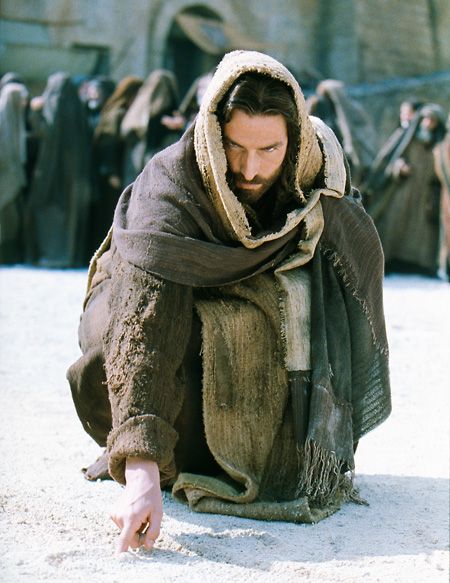




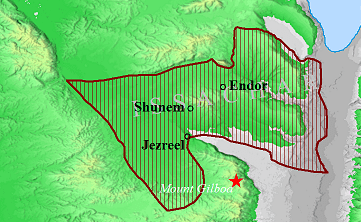
 Considering the Bible