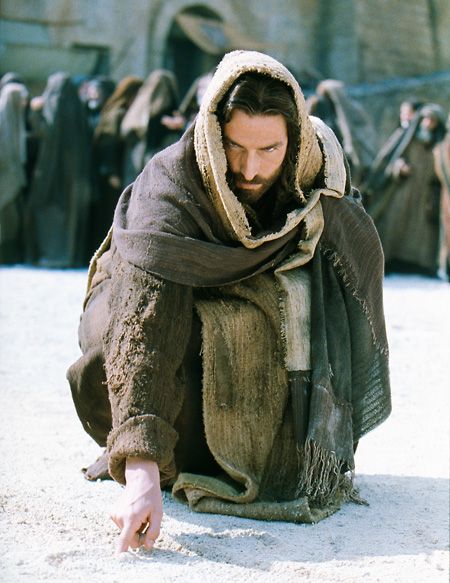

Saul’s Jealousy of David
As many who have followed me for a bit, I have fallen into the Psalms, and I can’t get up! (As if I would want to.) The Psalms are a majestic collection of poetry, of heart felt human experiences that constantly challenge me in my own frail attempt to follow the true King. As many of the Psalms are written by David, my study on the Psalms has spurred me on to looking at the life of David, is the main contributor to this book, and to follow the victories and tragedies of the shepherd King of Israel.
Many times in the narrative, we will see the Lord Jesus, imperfectly, yet a reflection of His spirit in a man with weaknesses.
1 Samuel 18:12- 16
12 Saul was afraid of David because the LORD was with him but had departed from Saul.
13 So Saul removed him from his presence and made him a commander of a thousand. And he went out and came in before the people.
14 And David had success in all his undertakings, for the LORD was with him.
15 And when Saul saw that he had great success, he stood in fearful awe of him.
16 But all Israel and Judah loved David, for he went out and came in before them.
Fear. A natural result of departing from the Living God. Yet even in this maelstrom of emotions that Saul was experiencing, some lucidity seemed to come to him occasionally.
Yes the Lord had departed from Saul, and Saul was reminded of this daily as he saw David minister to him in his royal court. Saul had lost the kingdom, lost the Lord, and lost his sanity, and David was obviously becoming the benefactor of this transition of privilege.
So in the midst of envy, possession and fear, Saul made another decision. His failure to kill David must have only amplified his feelings of inadequacy, and this constant reminder when he saw David may have fueled this decision to send him out to war.
Yes, send David out into the wars.
Saul sent David out so he can find some temporary peace. Anything to provide relief from this constant realization that his future was in trouble. And David represented this trouble, a very obvious reminder that his days were numbered.
Yes, send David out into the wars.
Men die in war and David’s “luck” may just run out. How illogical to think that the one whom God has chosen to replace Saul would be in danger of being a victim in battle. This is typical of those who do not consider the reach of the saving hand of God.
Isaiah 59:1 Behold, the LORD’s hand is not shortened, that it cannot save, or his ear dull, that it cannot hear;
If God’s hand is on a man (or woman), that one is indestructible until God has accomplished His will through and in them.
David would experience success in all his undertakings, which only fueled Saul’s fear of David more. The passage shows the growth of Saul’s fear, in verse 12 to Saul’s fearful awe of David, in verse 15. Fearful awe.
David was simply listening to the Lord, acting with wisdom, performing his duties and doing as required. Twice in our passage, (verse 13, and 16) we find that David “went out and came in before the people”. David was becoming a man of the people, gaining in recognition and stature in the eyes of the nation he served.
But in David’s faithfulness, two very different reactions resulted.
The people of Israel and Judah loved him.
King Saul only saw David as a greater threat, and became more fearful. It seems that Saul’s short term solution to his problem only added to his long term problem of David’s ascension in the nation.
So what could Saul do? What could he do to control David, to gain power and influence over David?
What could he do? Killing him didn’t work. Having Israel’s enemies kill him didn’t work.
In our next installment, King Saul finds another way of controlling David.
See you then.
Thanks again for coming to visit. I hope you found something of interest in this post and would appreciate a comment, to begin a discussion. If you know someone this blog may bless (or challenge), send them a link, so they may join us in our discussion.
Come join us at Considering the Bible



 Considering the Bible