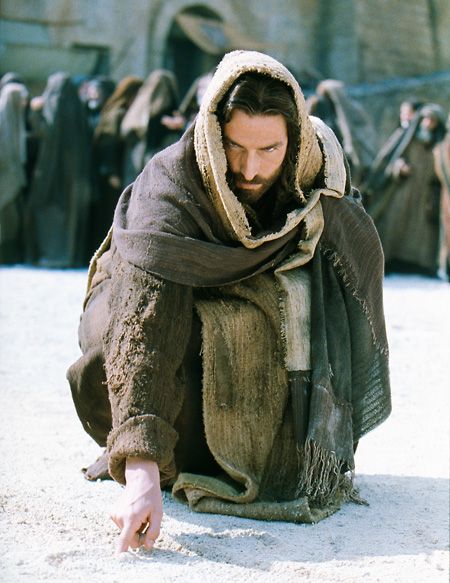

Jesus in the Old Testament is a series of posts that will offer my readers a chance to consider pictures or shadows of Jesus in the Old Testament. As mentioned in the introduction to this series, some may be obvious, some may be not so obvious, and some may simply be a facet of the Lord those reading may not have considered previously.
I hope as we venture through this series, we will see the Lord in many wonderful pictures throughout the Old Testament.
| SEEING JESUS IN |
| ABRAHAM |
| INTERCEDES FOR OTHERS |
| Genesis 18:23 Then Abraham drew near and said, “Will you indeed sweep away the righteous with the wicked? |
| Luke 6:12 In these days he went out to the mountain to pray, and all night he continued in prayer to God. Luke 22:45 And when he rose from prayer, he came to the disciples and found them sleeping for sorrow, |
Abraham had a family member in trouble.
At the beginning of Genesis 18, three “men” stood in front of Abraham. Abraham begged them to stay for refreshment, even a meal, and it turns out these men spoke of Abraham’s future child by his wife Sarah. We have in this story the laughter of Sarah’s disbelief, and the timing of their son’s birth foretold. It was about to become real within twelve months!
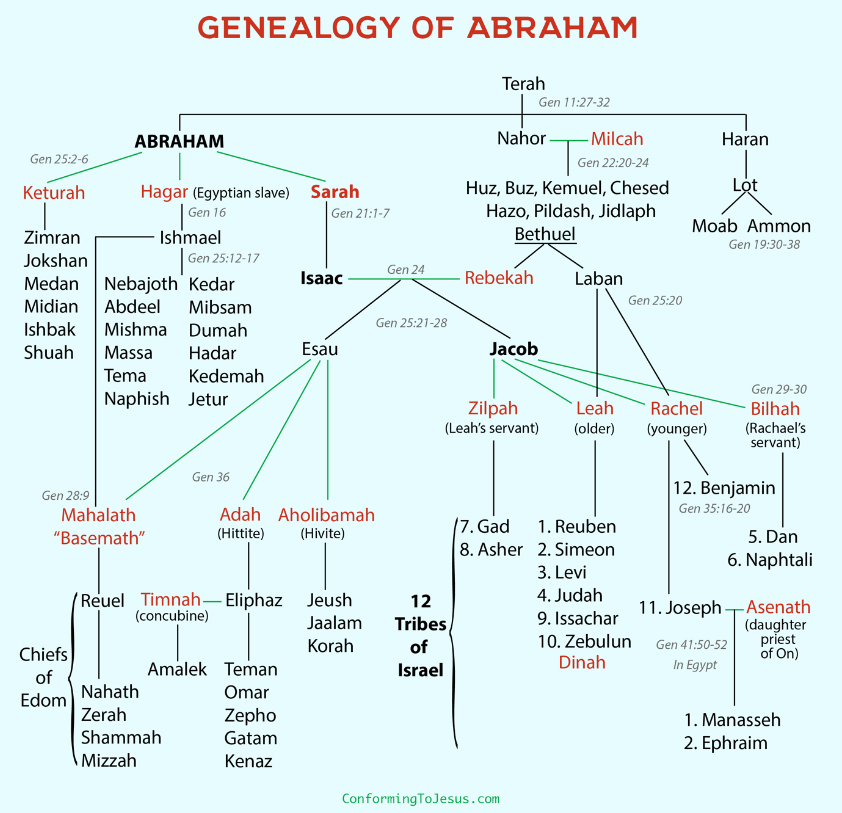
Although it appears the “men” had come to discuss Abraham’s future children, they were also on their way to a city called Sodom. As Abraham assisted them on their journey, God revealed to Abraham that the “men” were on their way to judge if destruction was to fall on the City of Sodom – where Lot and his family lived.
Abraham stood still, eventually drawing near to the LORD and then began to reason with God. He actually pleaded using the very nature of God against Him. You are not unjust! What if there are 50 righteous men. Will you kill them along with the unrighteous? What about 40? 30? 20? 10?
Abraham knew his God and advocated for those in a city He may not know. Except for Lot, Lot’s wife, their three daughters and their husbands, and hopefully, two righteous slaves. If Lot’s family was considered righteous, we have the ten Abraham may have been fighting for if we have 2 additional righteous slaves. We don’t know, yet he interceded for the city, and risked the anger of the Lord in his efforts.
It turns out only four survived the judgement. Yet Abraham’s interceding was effective, for it moved the heart and will of God to allow for Abraham’s desires to be realized. Abraham interceded, and God agreed. Even though ten were not found, God rescued four. God was righteous in that no righteous soul died in that conflagration. How utterly shocking that God’s righteous nature, that Abraham argued with God about, was realized in the saving of four souls, far less than the ten Abraham prayed for!
Jesus, in His intercession, prayed for His disciples, and of those who believed through their word, and finally that the world would know that God had sent Him. Abraham sought his own will, that is, the safety of some in Sodom by the removal of judgement and destruction. Jesus sought the Father’s will, not His own will, and joined into that will of God through a judgement undeserved, to deliver all those whom He prayed for.
Billions of souls later, He is still interceding for us.
Thanks again for coming to visit. I hope you found something of interest in this post and would appreciate a comment, to begin a discussion. If you know someone this blog may bless (or challenge), send them a link, so they may join us in our discussion.


Come join us at Considering the Bible

 Considering the Bible