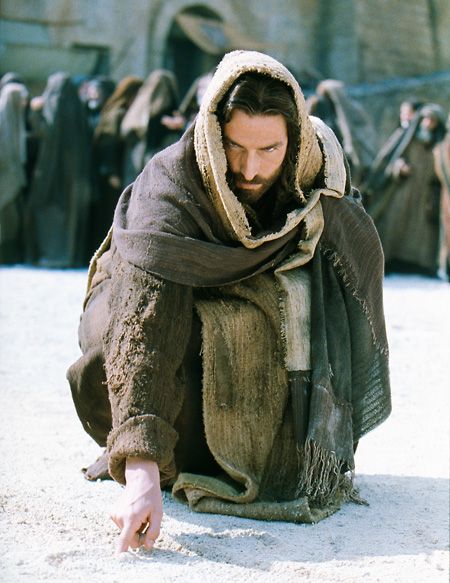

David Hears of Saul’s Death
As many who have followed me for a bit, I have fallen into the Psalms, and I can’t get up! (As if I would want to.) The Psalms are a majestic collection of poetry, of heart felt human experiences that constantly challenge me in my own frail attempt to follow the true King. As many of the Psalms are written by David, my study on the Psalms has spurred me on to looking at the life of David, is the main contributor to this book, and to follow the victories and tragedies of the shepherd King of Israel.
Many times in the narrative, we will see the Lord Jesus, imperfectly, yet a reflection of His spirit in a man with weaknesses.
2 Samuel 1:11-16
11 Then David took hold of his clothes and tore them, and so did all the men who were with him.
12 And they mourned and wept and fasted until evening for Saul and for Jonathan his son and for the people of the LORD and for the house of Israel, because they had fallen by the sword.
13 And David said to the young man who told him, “Where do you come from?” And he answered, “I am the son of a sojourner, an Amalekite.”
14 David said to him, “How is it you were not afraid to put out your hand to destroy the LORD’s anointed?”
15 Then David called one of the young men and said, “Go, execute him.” And he struck him down so that he died.
16 And David said to him, “Your blood be on your head, for your own mouth has testified against you, saying, ‘I have killed the LORD’s anointed.’”
First off, let’s consider the extent of impact the news this Amalekite provided had on David. But not only did it affect David, but all that were with him. At first I assumed it would be all his soldiers, but that is not stated, simply that all who were with him took hold of their clothes and ripped them.
When I read “all who were with him”, I thought of the army, then considered those men who were within earshot of the Amalekite as he spoke the news that brought him his death. After a second read though, I am inclined to think the text may not only be speaking of geographical nearness to David, but of the spirit of the men that heard the news. They had the same spirit of allegiance to King Saul, and to the nation that rejected them that David had.
The power of influence on our friends and acquaintances is inferred in this passage, for the spirit of David, his heart for God and his desire for the best for Saul lasted to the end, and when all hope was extinguished, sorrow came. Such was the spirit of David and of those who were with him.
No celebration, no rejoicing, no seeking an opportunity for the future king, no planning meetings or strategy sessions. Mourning and sorrow was the natural (spiritual?) reaction to the death of Israel’s first monarch.
As for the Amelakite, that was a different story. Thinking he would acquire rewards in removing David’s (assumed) enemy, he stepped into an environment that brought his own demise. How often have we sought to gain advantage, only to recieve defeat, to not only be disappointed, but to take a serious hit in life, a correction.
Thankfully, as believers, even as we slip into the attitude of gaining advantage over another, (and let’s be honest – we to often do), we have a loving Father that will teach us and instruct us (if we are open to Him) even during the discipline that needs to be experienced.
For the Amalekite, he fell by the sword. He killed by the sword (per David’s perception) and he died by the sword.
A fatal judgement, quickly executed fell on this Amalekite due to his act of lying. He killed no man, yet suffered the death penalty.
In this instance, the passage in James speaks loudly to me.
James 2:10-11
10 For whoever keeps the whole law but fails in one point has become guilty of all of it. 11 For he who said, “Do not commit adultery,” also said, “Do not murder.” If you do not commit adultery but do murder, you have become a transgressor of the law.
Don’t get me wrong in thinking this Amalekite was a believer, and that as James spoke to believers in this passage, I am assuming this man as a believer. No no no. The passage is offered to remind us that sin is sin, and the category of sin we fall into does not provide us any safety.
That is, I may be a liar, and think I don’t deserve death, much like this Amalekite, but the Word says I am mistaken. It is in our rebellion against the person of God, against the character of God found in the law of God, whether by “white” lie or murderous actions that we fall. The law perfectly reflects the character of God, and any deviation from the law proves us the rebel.
There is One who perfectly represented God, fulfilled the righteousness of God and suffered a rebels death for those He loved.
Even for that Amalekite, He died.
And for me.
Thanks again for coming to visit. I hope you found something of interest in this post and would appreciate a comment, to begin a discussion. If you know someone this blog may bless (or challenge), send them a link, so they may join us in our discussion.
Come join us at Considering the Bible


 Considering the Bible